On the Dash:
- Stellantis reaffirmed its full-year guidance despite continued pricing pressure in Europe.
- Chinese automakers are intensifying competition with lower-priced hybrid and EV offerings.
- North American demand improved, led by Ram trucks, but recalls and tariff costs remain headwinds.
Stellantis reported adjusted operating income of €773 million ($884.6 million) for the second quarter, more than tripling from €213 million a year earlier, though the figure still fell short of analyst expectations.
Pricing pressures in Europe, higher administrative and research costs, unfavorable currency effects and tariffs weighed on the company’s margins. While Stellantis maintained its full-year financial guidance, it warned that tariff-related costs could reach as much as €1.2 billion in 2026.
Despite the mixed operating results, net revenues rose 13% to €43.5 billion, and Stellantis returned to net income of €293 million for the quarter, compared with a net loss of €1.87 billion a year earlier. However, investors remained cautious as adjusted operating income continued to lag behind analyst expectations.
Chinese automakers add pressure
The rise of Chinese automakers is exerting additional pressure in the European market. Stellantis noted that affordable Chinese hybrids and EVs gaining market share drove weaker pricing. Notably, brands such as BYD, Xpeng, and Geely are expanding their presence across Europe, and analysts identified European pricing pressure as one of Stellantis’ most significant challenges.
Meanwhile, sales and adjusted earnings improved due to stronger demand for models like the Ram 1500, which grew 9% in the U.S. However, product recalls have continued to negatively impact profitability, including a recent recall of over 1 million Jeep Wrangler and Gladiator models. In line with a turnaround strategy, Stellantis recently appointed new leadership for the Jeep and Ram brands.
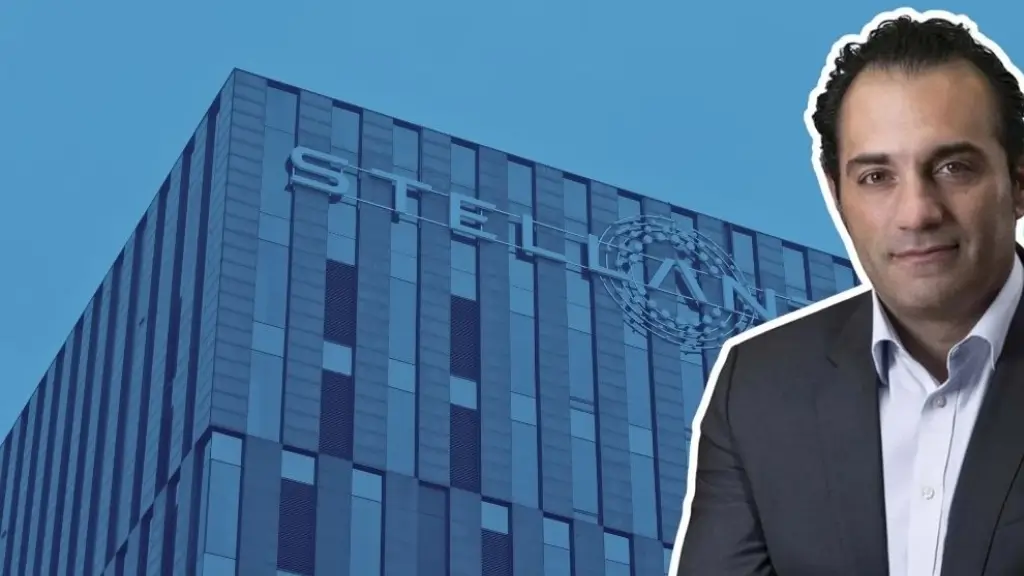
CEO Antonio Filosa is focused on pursuing cost reductions while planning to invest €60 billion through 2030 in new products. The automaker intends to prioritize its Jeep, Ram, Peugeot, and Fiat brands, while maintaining partnerships with Leapmotor and Dongfeng to enhance its operations in Europe.
Stellantis has also decided to sell its Free2move car-sharing business to concentrate on its core automotive operations. The automaker aims to achieve €6 billion in annual savings by 2028 compared to last year’s cost base.