On the Dash:
- Two separate industry surveys, from Presidio Group and Kerrigan Advisors, both point to a widening gap between top-tier and lower-tier dealership brands.
- Succession planning and softening profit expectations, not valuations alone, are pushing more owners toward a sale.
- AI-driven retail models like Carvana’s are adding a new competitive pressure to the buy-sell equation.
Two of the automotive retail’s most closely watched surveys this summer indicate that the dealership buy-sell market is no longer moving as one. Research from the Presidio Group and Kerrigan Advisors found buyers are concentrating on high-performing franchises while weaker brands and underperforming stores face softer demand and greater scrutiny.
The findings suggest the next phase of dealership consolidation will be shaped less by overall transaction volume and more by franchise strength, succession planning, profitability, and retailers’ ability to adapt to new technology.
A widening gap in franchise demand
Presidio Group’s Midyear 2026 Dealer Direction Survey found dealers remain eager to grow, with 64% expressing interest in acquiring additional stores. However, that appetite is becoming more selective as buyers prioritize brands with strong consumer demand, favorable OEM relationships, and long-term profitability potential.
“Dealers are making a clear flight to quality by gravitating toward brands that are great dealer partners, favored by consumers and better equipped to weather a tougher cycle,” George Karolis, president of Presidio Group, said in the survey’s release.
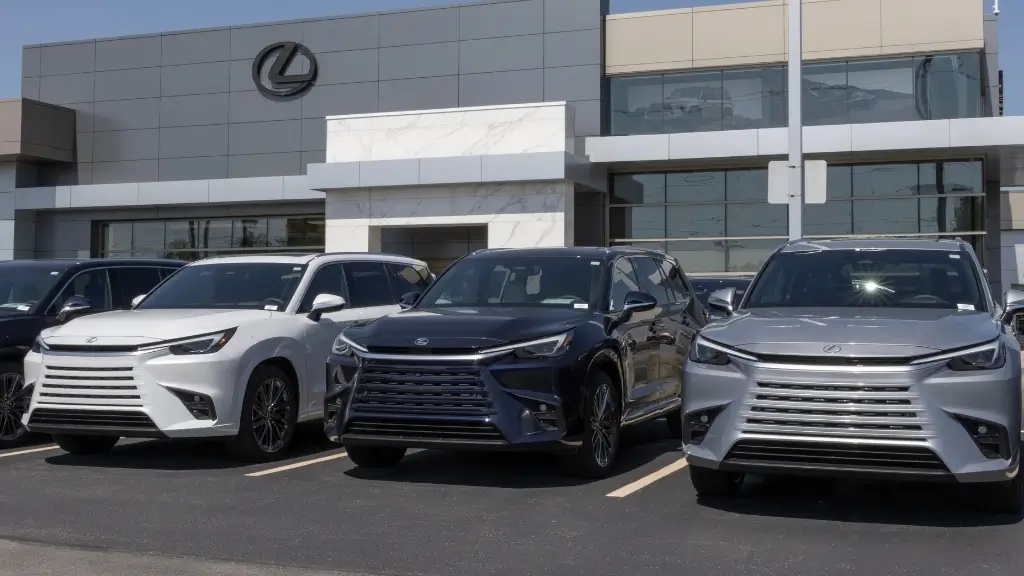
Specifically, Toyota and Lexus topped Presidio’s brand desirability rankings, followed by Honda, Subaru, Mercedes-Benz, and BMW. Chevrolet and Ford moved ahead of Porsche for the first time, while Audi declined three spots and Nissan climbed five spots, a shift Presidio attributed to recent leadership changes and product improvements.
What’s pushing owners to sell
Record valuations continue attracting sellers, but succession planning remains one of the biggest catalysts behind dealership transactions. According to the Presidio survey, the percentage of dealers open to selling within the next year increased to 18%, the highest level since the company began tracking the measure. Notably, that figure rose from 11% at the end of 2025.
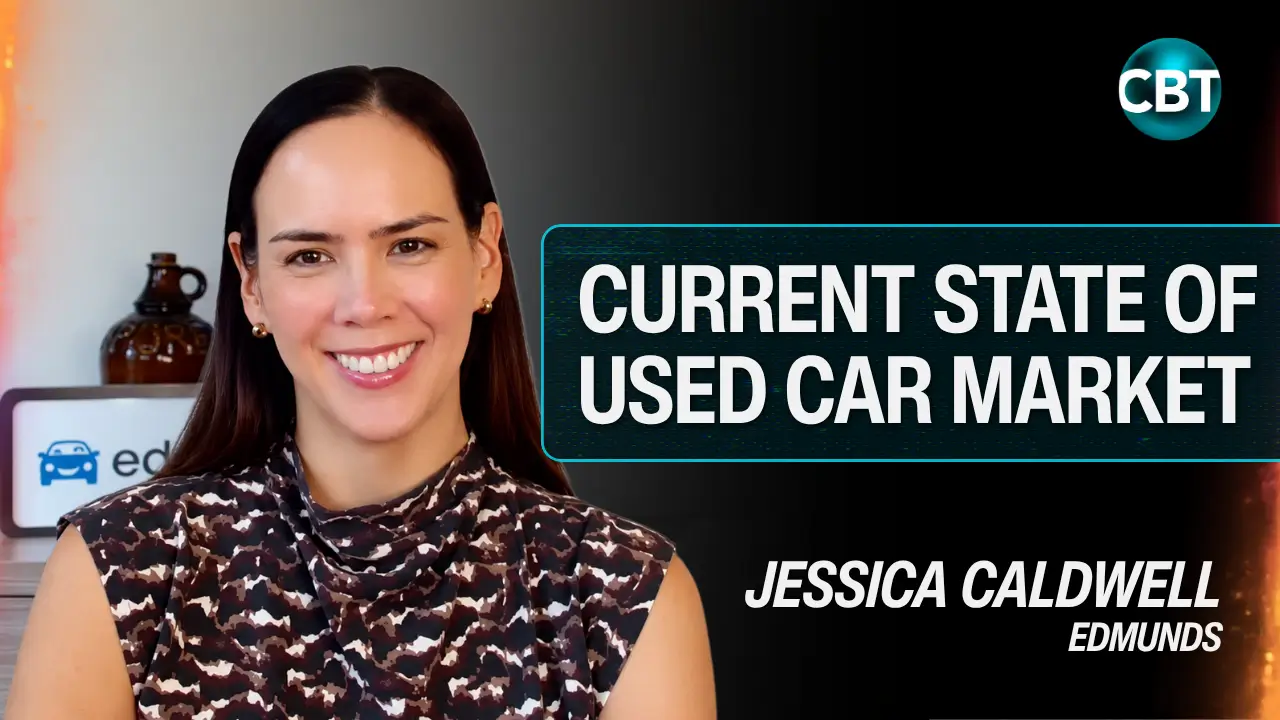
Separately, Kerrigan Advisors’ 2026 OEM Survey, which collected responses from 155 OEM executives, also showed expectations for continued M&A activity. In an Inside Automotive interview with CBT News, Erin Kerrigan said that roughly one-third of respondents expect dealership transaction volume to increase over the next 12 months, following record buy-sell activity over the previous year.
Conversely, Presidio found only 23% of dealers expect profits to increase over the next year, while 44% anticipate declines. The result pushed the firm’s net profitability optimism score to -21.1%, its weakest reading since mid-2024. Dealers cited rising operating costs and softer vehicle margins as major challenges. Meanwhile, Kerrigan Advisors separately identified geopolitical uncertainty, including conflict in the Middle East, as an emerging risk to dealership valuations.
Tech is reshaping the market
Since technology is also becoming a bigger factor in dealership valuations and future competitiveness, Kerrigan Advisors’ OEM Survey found 59% of executives expect AI to improve dealership profitability, primarily through lower operating costs and improved sales efficiency.
The firm highlighted Carvana’s AI-enabled retail model as an example of how technology could reshape automotive retail. Carvana’s sales increased 91% year over year, and the company’s market capitalization reached $80 billion, surpassing the combined value of all six publicly traded dealer groups.
Carvana’s expansion into new-vehicle retail through Stellantis franchises is also drawing industry attention. Kerrigan said one of the company’s early acquisitions, a store in Casa Grande, Arizona, previously averaged about 35 vehicle sales per month. In June, the location sold nearly 1,000 new vehicles without a general manager.
Together, the two surveys suggest the buy-sell market’s next chapter will hinge less on overall deal volume and more on which brands, and which business models, can keep pace with a more selective and technology-driven retail environment.