On the Dash:
- Ferrari and BMW are introducing aluminum wiring in new models, joining Tesla and several Chinese EV makers in moving away from copper.
- Copper’s surge to nearly $15,000 per metric ton in late January has made aluminum a more attractive option for automakers.
- The shift is being driven by high copper prices, EV weight reduction goals and pressure to lower production costs.
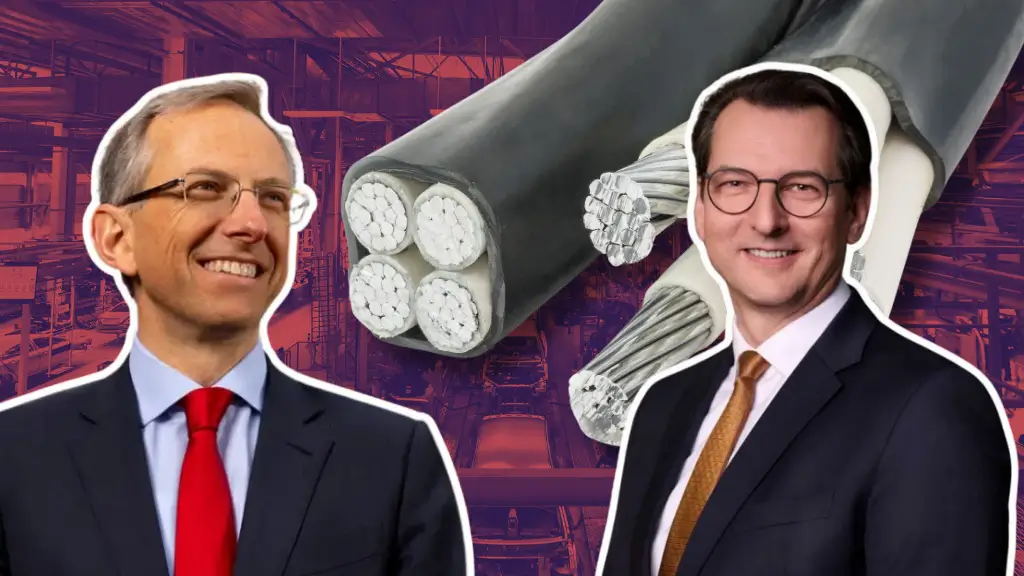
Rising copper prices are pushing more automakers to rethink vehicle wiring, with Ferrari and BMW joining Tesla and several Chinese EV makers in using aluminum for select electrical systems.
The decisions follow similar moves by Tesla and Chinese EV makers and reflect a broader industry trend forecast to affect around 2% of global copper demand this year, according to JPMorgan. The shift is not limited to automakers. Reuters reported that cable, air conditioning, metals and manufacturing companies are also weighing aluminum as a lower-cost alternative where performance requirements allow.
Why automakers are making the switch
For automakers, the decision is not only about cost. Ferrari told Reuters it began using aluminum power cables on its 296 hybrid sports car last year and has since expanded the material into other models, including its first EV. The company said the move can save up to 20% of total wiring weight.
BMW said it first used aluminum conductors in 2011 in its subcompact 1 Series and has expanded the use of aluminum cables in both high- and low-voltage systems in its latest eDrive EV technology.
Weight is especially important for EVs, where lighter components can help improve driving range. At the same time, automakers are under pressure to lower production costs as the EV market becomes more competitive and raw material prices remain volatile.
China and Tesla push the trend forward
China’s government has encouraged companies to switch to aluminum through a March 2025 policy paper, and many manufacturers have heeded the call. Analysts at consultancy Zhuochuang forecast that 25% to 30% of components currently made from copper, by metal volume, could be switched to aluminum in the power, automotive, and home-appliance sectors by 2030. Chinese EV makers including AVATR, XPeng and Xiaomi have adopted aluminum wiring, according to engineering consultancy Caresoft Global.
Tesla has also been a key benchmark for the industry, using aluminum wiring in the Model Y and more recently in the Cybertruck.
What this means for the industry
The shift toward aluminum is not without complications. Aluminum production is energy-intensive, raising emissions concerns, and the metal is less efficient than copper as a conductor, meaning more material is needed to carry the same amount of electrical current. Still, JPMorgan estimates that as much as 6% of annual copper demand could be replaced by aluminum by 2030, up from 2% this year.
For dealers, the shift signals how material costs are beginning to reshape vehicle design, especially in EVs and hybrids. As automakers look for ways to manage costs, reduce weight and improve range, material choices like wiring could eventually influence vehicle pricing, range claims and future model positioning.