On the Dash:
- UAW delegates will debate higher strike pay, union dues, and investments in organizing.
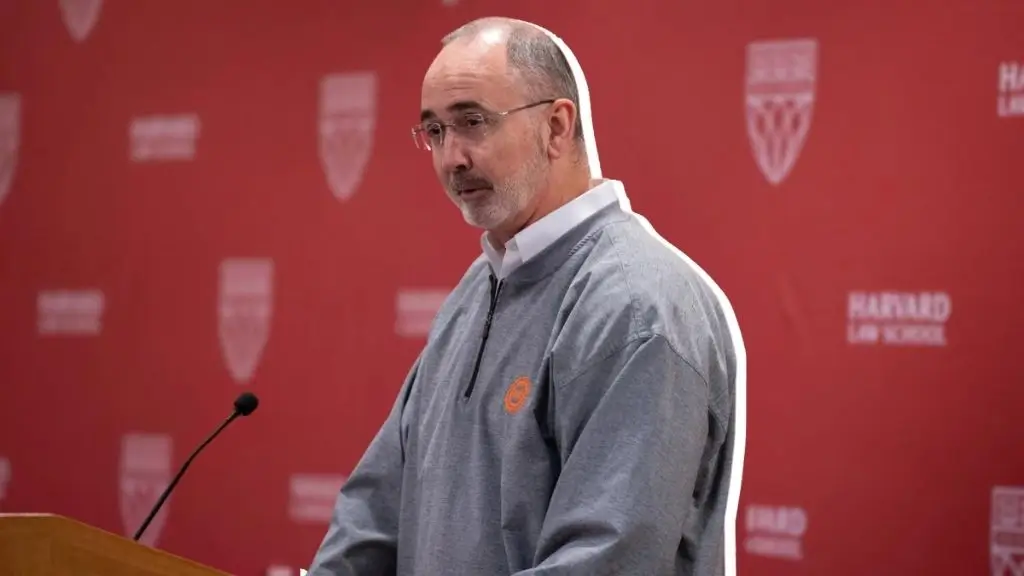
- President Shawn Fain remains the frontrunner despite criticism from a federal monitor and internal rivals.
- The convention could influence future labor negotiations across the automotive industry.
Fresh off a 10-day strike win at American Axle’s Three Rivers, Michigan, plant, roughly 1,000 United Auto Workers (UAW) delegates are gathering in Detroit this week to shape the future of one of the nation’s most influential labor unions. The four-day constitutional convention features leadership nominations, policy debates, and proposed constitutional changes ahead of union-wide elections later this year.
UAW President Shawn Fain enters the convention as the leading candidate for reelection, though he faces challenges from several rivals, including UAW Vice President Rich Boyer. Candidates seeking one of the union’s 14 International Executive Board seats must secure a nomination from convention delegates before advancing to the fall election ballot.
Policy debates
Beyond the leadership race, delegates will spend much of the convention debating proposed constitutional amendments and union policies.
Key issues include:
- Increasing strike pay from $500 to $625 per week.
- Potentially reducing union dues from 2.5 hours of pay to 2 hours.
- Determining how aggressively to fund future organizing campaigns.
- Clarifying membership and retiree eligibility rules.
- Protecting the union’s direct election system.
The convention comes as the UAW navigates the aftermath of a corruption scandal that sent two former presidents to prison and placed the union under federal oversight. Notably, court-appointed monitor Neil Barofsky has criticized Fain and other senior leaders over transparency and internal governance concerns, with another report expected soon.
Delegates weigh strike pay, dues, and organizing
Despite that scrutiny, labor experts say Fain remains well-positioned for reelection. Supporters point to major contract victories with the Detroit Three in 2023, successful organizing efforts at Volkswagen’s Tennessee plant, and the recent American Axle tentative agreement as evidence of his leadership.
The convention also highlights shifting political dynamics within the union, with the longtime Administration Caucus having lost significant influence since Fain’s election, as new groups such as UAW Member Action and a restructured Unite All Workers for Democracy now compete to shape policy priorities and leadership endorsements.
The decisions delegates make in Detroit this week could shape labor negotiations, organizing campaigns, and workforce policies across the automotive industry for years to come.