On the Dash:
- The tentative agreement removes a potential threat to GM pickup production following a 10-day strike by UAW members at a critical axle supplier.
- Workers would receive significant wage increases, improved vacation benefits and no increases in healthcare premium costs.
- The deal reflects continued labor pressure across the automotive supply chain as unions seek to recover compensation lost during the Great Recession.
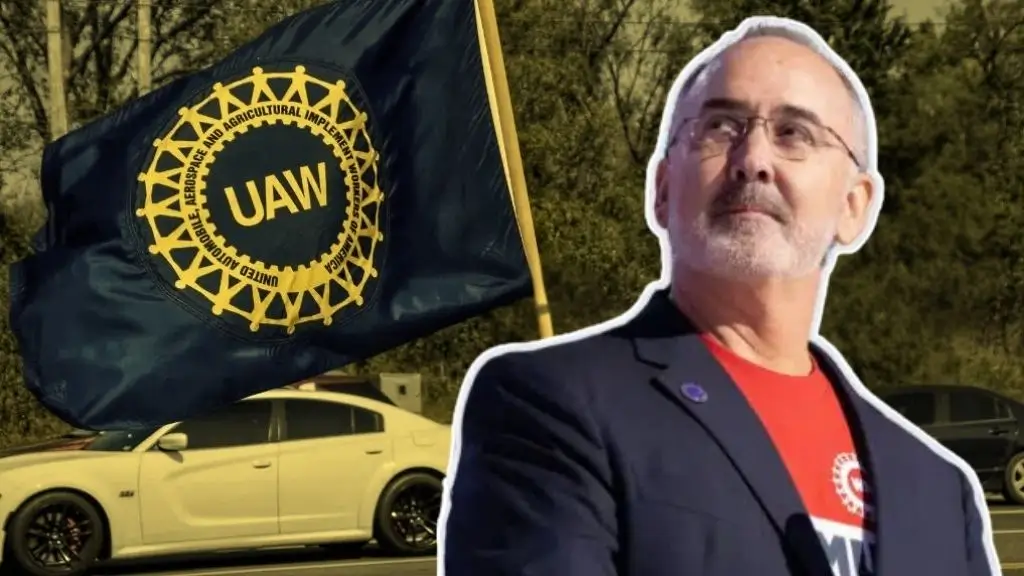
The United Auto Workers (UAW) reached a tentative agreement with Dauch Corp. on Wednesday, effectively ending a 10-day strike at the company’s axle plant in Three Rivers, Michigan.
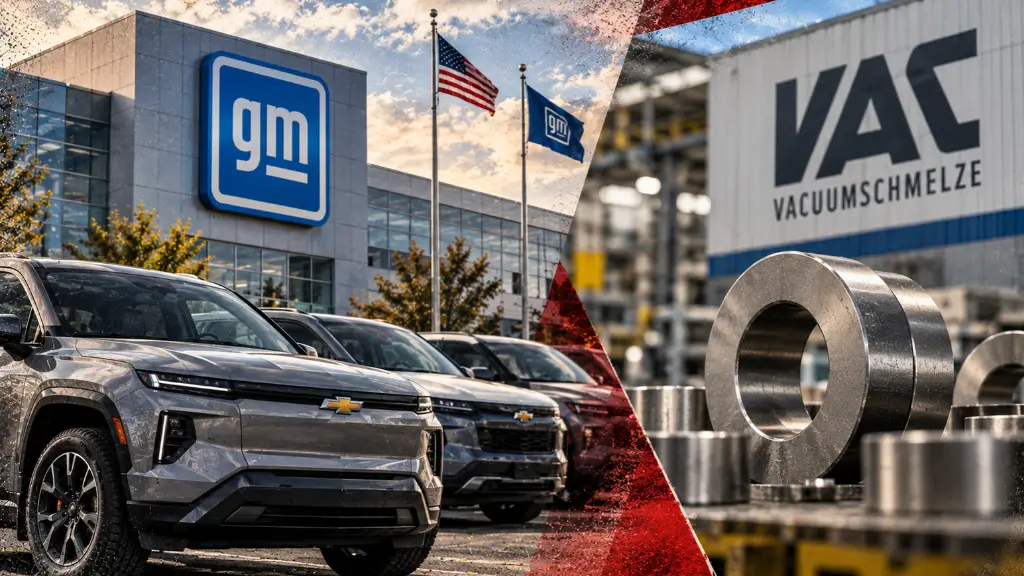
While the agreement still needs to be ratified by union members, it aims to resolve a labor dispute that threatened to disrupt the production of several General Motors truck models.
Initially, roughly 1,000 workers walked off the job last week to demand higher wages, more paid time off, and protections against rising healthcare costs. The proposed four-year contract would increase the top pay for union-represented employees to $30 per hour by 2030, up from the current rate of $22 per hour.
Workers hired before the 2008 recession-era pay cuts, however, would receive an immediate increase to $30 per hour, rather than waiting for gradual wage progression. Additionally, the agreement includes a $2,000 ratification bonus and a $1,000 bonus after the first year.
Union secures benefits
Under the proposed agreement, workers would also receive additional vacation time and holidays. Union leaders described this package as a meaningful step toward restoring benefits and compensation that were lost during the Great Recession.
Notably, the Three Rivers facility produces axles and other components used in General Motors’ full-size and midsize pickup trucks. During the strike, union members adopted the slogan “No axles, no trucks,” emphasizing the plant’s crucial role in the automaker’s supply chain.
Although GM stated that the strike had not yet impacted production, a prolonged work stoppage could have led to broader manufacturing disruptions. UAW leaders contended that workers had not fully recovered from concessions made in 2008, which were necessary to keep the facility operating during the economic downturn. Those concessions resulted in wage reductions from as much as $29 per hour to $14.50 per hour.
Union officials noted that current wages remain significantly below pre-recession levels, despite nearly two decades of service.
Looking ahead
UAW Local 2093 members are still set to vote on the tentative agreement, but executives from Dauch praised both bargaining teams for successfully finding common ground. UAW President Shawn Fain described the agreement as a significant victory, stating that it shows automotive suppliers can address workers’ demands for better compensation and benefits.