
TSLA409.74018.73999%
GM83.8101.7%
F15.1100.21%
RIVN17.0100.66%
CYD56.185-0.575%
HMC27.0750.375%
TM178.8801.72%
CVNA69.5153.005%
PAG174.0903.07%
LAD293.5454.70501%
AN187.690-0.03%
GPI318.6557.655%
ABG194.6503.67%
SAH83.7901.63%
TSLA409.74018.73999%
GM83.8101.7%
F15.1100.21%
RIVN17.0100.66%
CYD56.185-0.575%
HMC27.0750.375%
TM178.8801.72%
CVNA69.5153.005%
PAG174.0903.07%
LAD293.5454.70501%
AN187.690-0.03%
GPI318.6557.655%
ABG194.6503.67%
SAH83.7901.63%
TSLA409.74018.73999%
GM83.8101.7%
F15.1100.21%
RIVN17.0100.66%
CYD56.185-0.575%
HMC27.0750.375%
TM178.8801.72%
CVNA69.5153.005%
PAG174.0903.07%
LAD293.5454.70501%
AN187.690-0.03%
GPI318.6557.655%
ABG194.6503.67%
SAH83.7901.63%

Ford-backed group urges EU to delay EV import tariffs

Ford-backed ACEA urges the EU to delay EV import tariffs as European battery production falls far short of 2027 rules of origin targets.

Ford-backed group urges EU to delay EV import tariffs

On the Dash:

  • A Ford-backed group is urging the EU to delay EV import tariffs, citing battery supply chains that aren’t ready.
  • EU and UK battery production is far behind schedule, now projected at just 20% of targets.
  • If tariffs take effect in 2027, EV pricing and availability in global markets could shift.

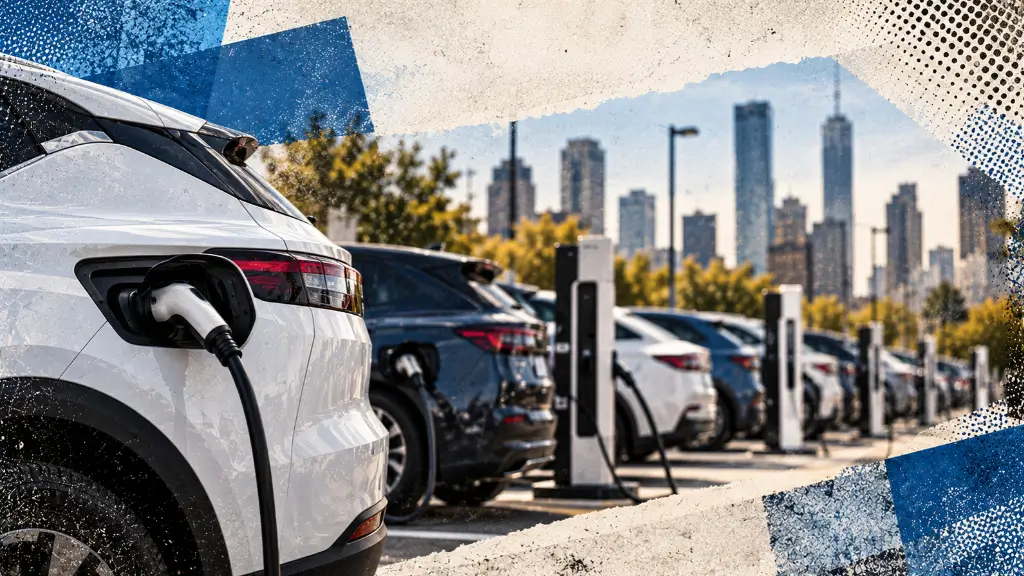
A Ford-backed industry group is urging the European Union to suspend import tariffs on electric vehicles, according to a report in The Guardian. The outcome could affect EV availability and pricing for dealers across the market.

The European Automobile Manufacturers’ Association (ACEA) is among several industry groups urging the European Commission to delay enforcement of the tariffs. The current rules, established under a 2020 Brexit trade deal, require that 55% of a vehicle’s value be manufactured in Europe by 2027. For EVs, 70% of the battery pack and 65% of the battery cell must also originate from the EU.

Sign up for CBT News’ daily newsletter and get the latest industry stories delivered straight to your inbox.

Battery manufacturing in Europe has fallen well short of those targets. When the EU first suspended the tariff rules in 2024, the industry had forecast that 60% of batteries would be made in Europe by 2027. ACEA International Trade Director Jonathan O’Riordan now puts that figure at just under 20%.

If approved, this would mark the second import tariff delay on EVs. The EU first pushed back tariff implementation by three years in 2023, with that extension set to expire at the end of 2026.

O’Riordan says the shortfall is due in part to manufacturing costs that remain roughly 30% higher in Europe than in China.

ACEA Director General Sigrid de Vries, speaking at a Brussels event Friday, said battery development in Europe was progressing too slowly and called for a policy shift at the European Commission.

The European Commission says it remains open to the conversation. A spokesperson said discussions “can take place within the framework of ongoing EU-UK negotiations,” and noted the commission is “in constant contact with stakeholders” in the EV sector to gauge their readiness to meet the rules of origin.

More from EVs & Technology
JPMorgan boosts Tesla price target to $475

JPMorgan boosts Tesla price target to $475, citing autonomous tech and software growth

- June 5, 2026
On the Dash: JPMorgan sees Tesla's future growth extending beyond vehicle sales and increasingly tied to software, AI and autonomous driving. The firm's $475 price target reflects growing Wall Street...
World's largest battery maker shifting away from EVs to energy storage

World’s largest battery maker shifts away from EVs to energy storage

- June 5, 2026
On the Dash: CATL wants energy storage to account for half of its global sales by 2030, up from 25% today. Automakers and dealers could face tighter EV battery supply...
Auto industry warns AI chip demand could disrupt manufacturing

Auto industry warns AI chip demand could disrupt manufacturing

- June 4, 2026
On the Dash: AI-driven demand for memory chips could increase vehicle production costs and create new supply chain disruptions. Industry groups warn that rising chip prices may eventually translate into...
EVs cost 42% more to insure than gas cars, newer models closing the gap

EVs cost 42% more to insure than gas cars, newer models closing the gap

- June 3, 2026
On the Dash: EVs cost 42% more to insure than gas-powered cars, but the gap is narrowing. At today's gas prices, EV owners still save $567 to $1,007 per year...