On the Dash:
- North Carolina’s lawsuit highlights the growing financial and political scrutiny of large-scale EV investments and incentive packages.
- Automakers continue reassessing EV spending as weaker demand and changing federal policies pressure profitability.
- Dealers should expect continued uncertainty around EV production timelines, factory expansions and long-term electrification strategies.
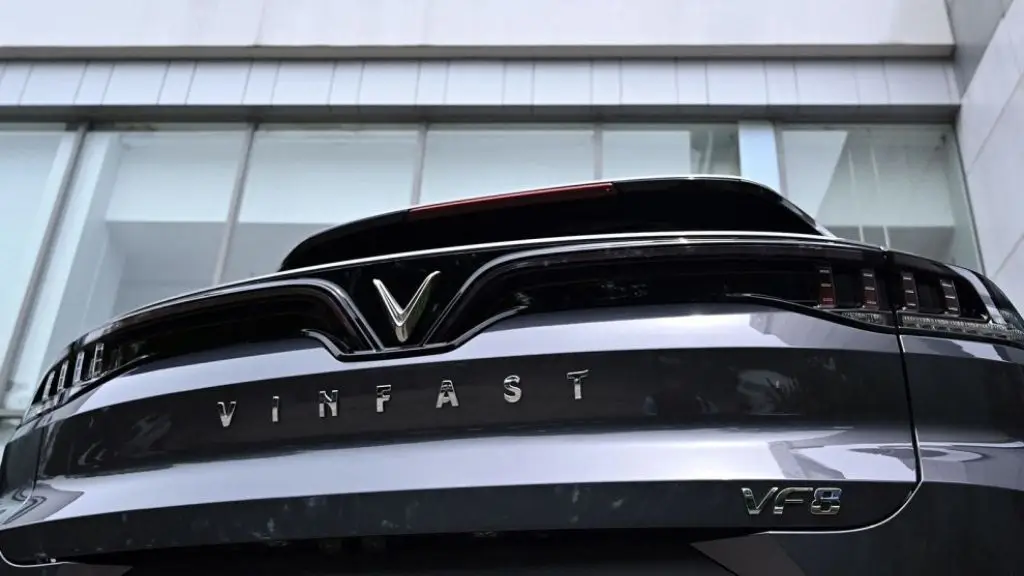
North Carolina has filed a lawsuit against VinFast, alleging that the Vietnam-based automaker breached agreements related to a proposed EV and battery manufacturing facility in Chatham County.
Attorney General Jeff Jackson stated that the state is seeking to reclaim the 1,977-acre site to protect taxpayer-funded investments tied to the stalled project.
The lawsuit filed on May 21 argues that VinFast failed to meet construction deadlines for the facility and does not expect the plant to become operational until 2028, two years beyond the original timeline.
NC moves to reclaim site
In 2022, North Carolina approved a job development investment grant and allocated up to $450 million for site development and infrastructure improvements.
Initially, VinFast’s project was regarded as a notable economic announcement, with the company committing over $3 billion and pledging to create 7,500 jobs in Chatham County. However, the complaint states that the project has made “zero progress” in the past four years. North Carolina claims the EV maker failed to begin vertical construction on buildings by January 2024 and did not provide evidence supporting completion under a revised timeline.
Although VinFast requested an extension to July 1, 2028, citing slower EV demand and funding challenges, state officials rejected this request. The complaint also notes that VinFast has failed to meet job-creation commitments, has not filed its 2025 annual report, and ceased operations at the site in December 2024.
Lawsuit reflects growing EV uncertainty
Jackson emphasized that the state included taxpayer protections in its agreement with VinFast and intends to pursue a new development opportunity for the site. The complaint asserts that North Carolina has the duty to protect taxpayer dollars and ensure the industrial site serves its intended economic purpose.
In January, North Carolina’s Justice Department informed VinFast that it had defaulted on the agreements. However, the EV maker disputes these allegations and maintains that it has met construction requirements while still planning to open the facility by 2028. This dispute arises as automakers reassess their EV investments amid slowing consumer demand and shifting federal policies.
Notably, Stellantis reported a $26.3 billion loss for the 2025 fiscal year, partly due to its transition in its EV strategy, while Ford recorded a $19.5 billion write-down after abandoning its electric-truck development plans.