On the Dash:
- Volvo’s approval removes near-term uncertainty around the brand’s ability to continue selling connected vehicles in the U.S.
- Increased U.S. production could improve inventory stability and reduce dealers’ future tariff exposure.
- Federal scrutiny of Chinese-linked vehicle technology may continue reshaping sourcing and manufacturing strategies across the industry.
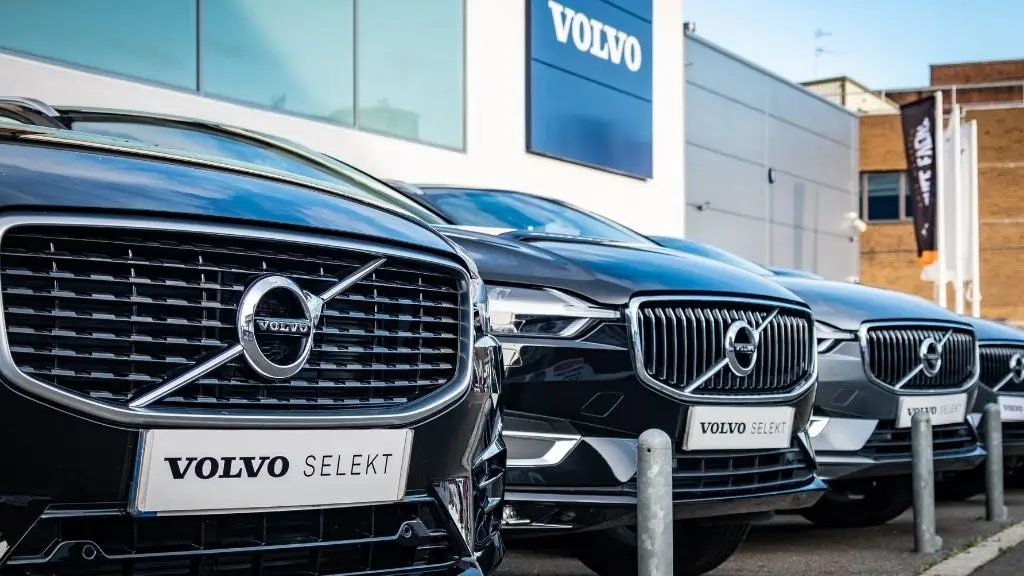
Volvo Cars has secured approval from the U.S. government to continue importing and selling connected vehicles in the U.S., despite new federal restrictions targeting Chinese-owned automakers and vehicle technology tied to China.
The automaker announced that it has received specific authorization from the U.S. Department of Commerce to continue selling vehicles in the U.S. This approval follows new federal regulations finalized in January 2025, which target vehicle software and hardware developed in China.
These regulations effectively block most Chinese-connected vehicles from entering the U.S. market, starting with the 2027 model year. They also apply to automakers with considerable Chinese ownership, like Volvo, which is majority-owned by Geely Holding. Volvo stated that it collaborated with U.S. officials to address concerns regarding governance, technology, and data security.
The authorization permits Volvo to continue expanding its U.S. growth plans. In 2025, the company sold 121,600 vehicles in the U.S., a 2.9% decrease from the previous year. To support its broader localization strategy, Volvo plans to increase its U.S. production.
The automaker has announced plans to build a new hybrid vehicle in the U.S. by the end of the decade, aiming to improve utilization at its South Carolina plant. Additionally, Volvo plans to start producing the XC60 SUV in South Carolina in late 2026.
While Volvo initially set a goal to become fully electric by 2030, it has since confirmed that hybrids will remain part of its future lineup. Currently, most Volvo vehicles sold in the U.S. are imported from Europe, with the EX90 electric SUV being assembled in South Carolina. Although Volvo previously imported vehicles from China, it stopped doing so after tariffs on Chinese-made vehicles were enforced.
Separately, Polestar, another Geely-owned brand, stated that it is still working with U.S. regulators to comply with the new rules.