On the Dash:
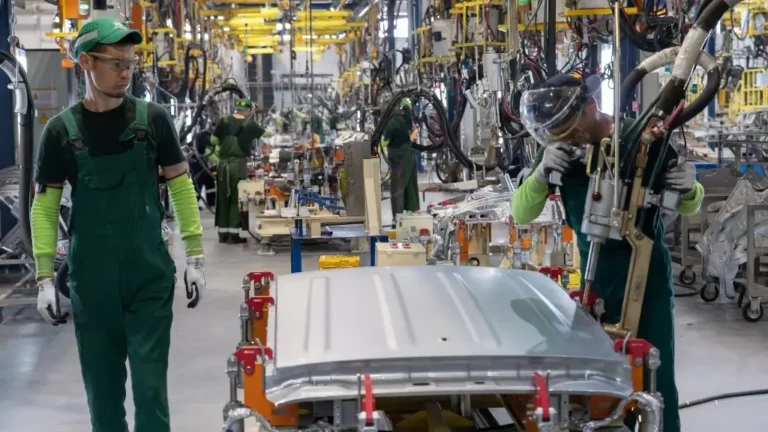
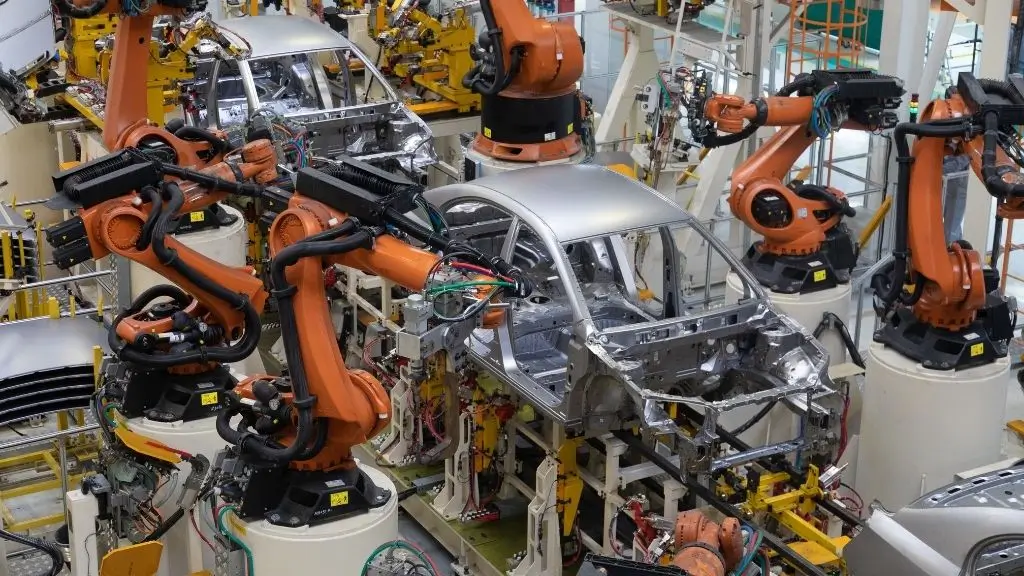
- Auto production remains a key growth driver, reinforcing the industry’s outsized impact on broader manufacturing performance.
- AI-related demand is increasingly supporting vehicle and tech production, helping offset weakness in other industrial sectors.
- Supply chain instability and higher input costs could pressure pricing, production timing, and inventory planning in the months ahead.
While manufacturing posted strong gains in April, rising 0.6%, economists caution that geopolitical instability is introducing new volatility into the supply chain.
On Friday, a New York Federal Reserve survey found that supplier delivery performance in New York deteriorated in May, signaling growing strain in logistics and input availability.
The data suggests that while output remains resilient, underlying supply conditions are weakening.
Auto production
According to the survey, motor vehicles and parts led the increase, with output jumping 3.7% in April. High-technology industries also expanded 1.0%, supported by gains in computers, semiconductors and communications equipment.
Economists say rapid AI investment is helping sustain industrial momentum, contributing to broader manufacturing stability even as other sectors remain uneven.
Manufacturing accounts for roughly 9.4% of the U.S. economy, and AI-related capital spending has become a key growth driver.
Excluding autos and high-tech, manufacturing rose 0.3% in April, matching the prior month’s gain. Durable goods production increased 1.2%, signaling steady demand for long-cycle industrial products.
However, nondurable goods output slipped 0.1%, weighed down by declines in chemicals and plastics. That weakness highlights uneven demand across key input categories that feed downstream industries, including automotive supply chains.
Supply chain disruptions
Some of the production strength may reflect businesses front-loading orders ahead of potential shortages and higher costs tied to Middle East tensions.
Disruptions in the Strait of Hormuz, linked to the U.S.-Israel-Iran conflict, have pushed up energy prices and strained global shipping routes. Shortages in materials such as fertilizers, aluminum and select industrial inputs are adding pressure across manufacturing sectors.
Producer prices rose at their fastest pace in four years in April, while oil prices surged following renewed geopolitical tensions and market concerns over shipping security.
Economists warn that higher energy and input costs could feed through into broader inflation, reinforcing expectations that the Federal Reserve will keep interest rates elevated for longer than previously expected.
Constraints remain
Overall industrial production increased 0.7% in April, rebounding from a revised March decline. Year-over-year output rose 1.4%.
Capacity utilization climbed to 76.1%, still below long-term averages and indicating that the industrial base remains slack. Manufacturing utilization rose to 75.8%, while mining output dipped slightly and utilities production increased 1.9%.