On the Dash:
- Honda’s renewed focus on hybrids could boost showroom demand as consumers continue to favor practical electrified options.
- Slower EV adoption is forcing automakers to prioritize profitability and inventory flexibility over aggressive electrification targets.
- Continued tariffs and global market volatility could impact future product allocation and pricing strategies across the industry.
Honda reported on May 14 its first annual loss since becoming publicly traded in 1957, posting a loss of roughly $2.7 billion as the automaker reevaluates its electric-vehicle strategy.
The company attributed the setback largely to approximately $10 billion in EV-related writedowns tied to canceled product plans and shifting market conditions. In response to slowing EV adoption, tariff pressures, and weakening sales in China, Honda is redirecting its focus toward hybrid growth in North America.
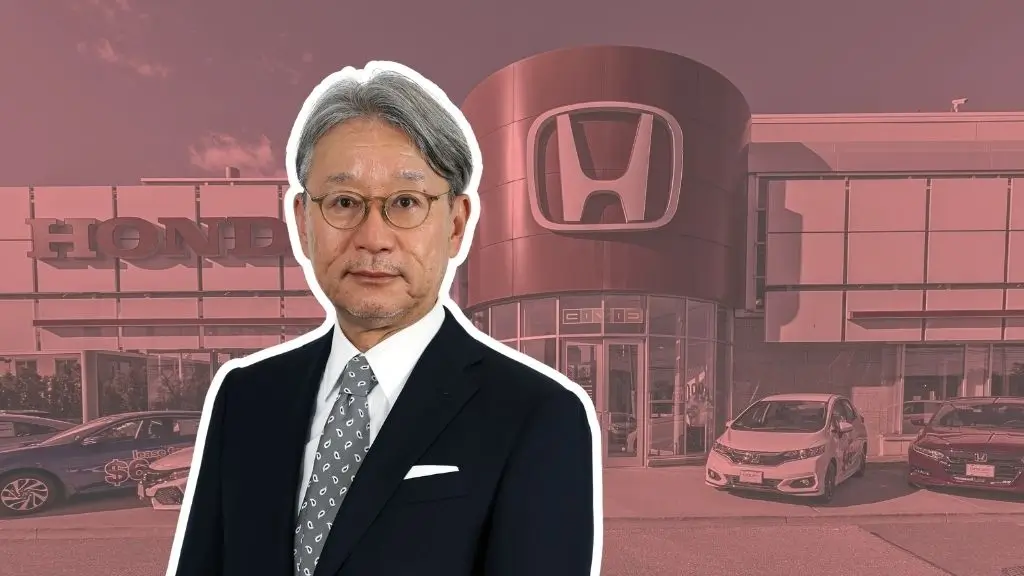
CEO Toshihiro Mibe said management is taking the losses seriously and is working to build a more resilient business structure capable of navigating ongoing uncertainty.
As part of the strategy shift, Honda canceled plans for three EV models previously slated for the U.S. market, including an SUV, sedan, and Acura luxury vehicle. The automaker also scrapped plans to sell EVs through its joint venture with Sony and indefinitely paused a major Canadian EV project involving battery and materials production.
Mibe also abandoned Honda’s 2021 target to transition all vehicles to electric or fuel-cell models by 2040. Meanwhile, the automaker’s China business continues to struggle, with sales falling more than 50% over the past five years amid intensifying competition from domestic brands.
Honda expects global vehicle sales to remain relatively flat at 3.39 million units during the current fiscal year, with gains in North America helping offset continued weakness in China.
The automaker’s shares have fallen 14% year to date as investors weigh concerns surrounding the Iran conflict, tariffs, and EV profitability challenges. Despite those pressures, Honda said its gasoline-powered vehicle business remains profitable.
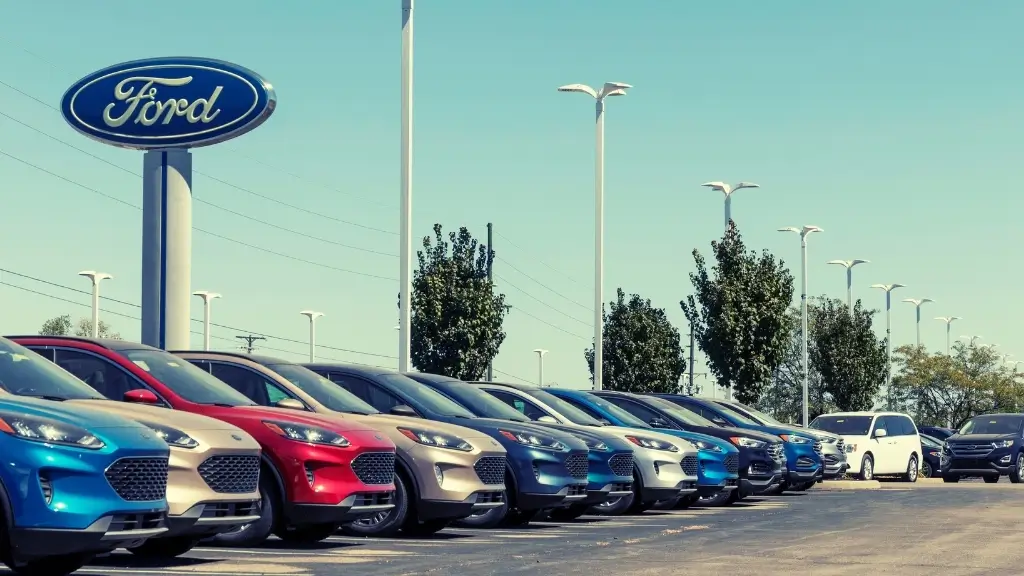
Ultimately, the automaker expects to return to profitability this fiscal year and forecasts net profit exceeding $1.6 billion. The company’s recovery strategy centers on expanding its hybrid lineup in the U.S. market as consumer demand increasingly shifts toward hybrid powertrains. The move aligns with broader industry trends, as automakers, including General Motors and Ford, have also reported EV-related write-downs while emphasizing hybrid and gas-powered profitability.