Ford dealers across the country are adjusting their sales strategies as ongoing F-150 inventory shortages continue disrupting showroom traffic and customer buying behavior. Simultaneously, increased Federal Trade Commission (FTC) scrutiny around pricing transparency is placing additional pressure on dealers to refine how they advertise and communicate with consumers.
On the latest episode of Inside Automotive, Nick Anderson, General Manager of Chuck Anderson Ford and Chairman of the Missouri Automobile Dealers Association, breaks down how both challenges are playing out.
Navigating the F-150 shortage
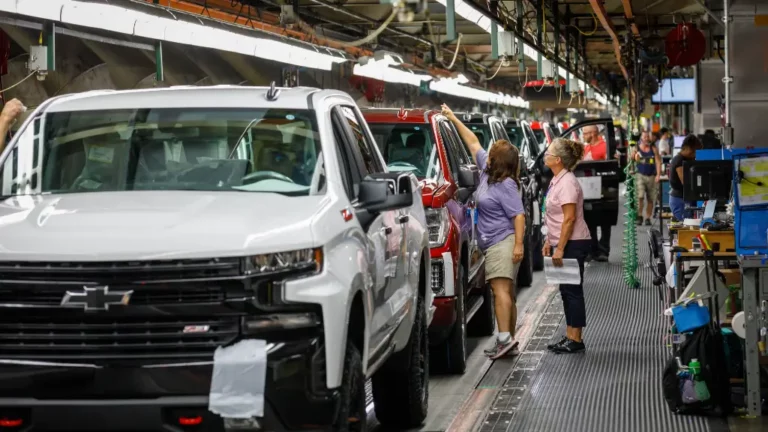
The shortage stems from repeated fires at an aluminum supplier’s plant, which disrupted Ford’s F-150 production schedule and forced the automaker to cancel thousands of previously scheduled orders. Anderson said the disruption significantly reduced available inventory during what is traditionally one of the strongest truck-selling periods of the year.
Anderson also notes that Chuck Anderson Ford normally stocks between 60 and 70 F-150s during truck month. This year, however, the dealership had only nine trucks available on the ground at one point. Since F-150 sales typically account for roughly 40% of the store’s business, the shortage created immediate pressure on dealership operations and customer retention.
To manage the lack of inventory, the dealership shifted more customers toward factory ordering. Anderson said the industry’s experience during the COVID-19 inventory crisis helped normalize ordering vehicles directly from manufacturers, making customers more comfortable with waiting several weeks for delivery. He confirms that sales teams now routinely guide customers through six- to eight-week ordering timelines while, when possible, searching nationally for available inventory.
“Everybody in the country is dealing with the same thing, so getting somebody to trade an F-150 and not getting an F-150 back is pretty challenging.”
However, Anderson believes inventory levels should begin improving through the summer as Ford production ramps back up.
Notably, the shortage has also driven higher demand for used trucks. Anderson noted that pre-owned F-150 values have risen between 8% and 12% over the past 90 days as dealers compete for a limited supply. The dealership now maintains waiting lists for desirable used truck inventory.
Pricing transparency
Alongside inventory concerns, Anderson addresses the growing FTC attention on vehicle pricing and advertising transparency. He said Chuck Anderson Ford already follows pricing practices designed to eliminate customer confusion. He confirms that online-advertised pricing reflects the actual purchase price that customers can pay at the dealership, including administrative fees.
Additionally, Anderson asserts that the dealership avoids advertising prices tied to stacked incentives or rebates that many customers may not qualify for. Instead, manufacturer incentives are presented separately from the vehicle’s advertised price.
Anderson said transparent pricing helps reduce friction in the sales process and allows dealership staff to spend more time helping customers rather than defending pricing discrepancies.
That approach also helps when customers compare pricing online with competing dealerships. He said sales staff often walk customers through competing offers to explain how additional fees or non-stackable incentives increase the actual purchase price beyond the advertised number.
While Anderson supports efforts to improve pricing transparency across the industry, he expressed mixed feelings about the FTC’s efforts to encourage dealers to report noncompliant competitors. He said dealers should follow proper advertising standards, but questioned whether enforcing them should fall to other retailers in the industry.
He also pointed to ongoing tension between state-level regulations and federal FTC standards, noting that dealers are generally advised to follow whichever requirements are more stringent.
The road ahead
Beyond pricing, Anderson said dealers continue to face broader public perception challenges despite operating on relatively small profit margins compared to many other industries. He argued that sectors such as hospitality and travel may face greater disruption from new transparency standards because they rely on hidden fees and add-on charges.
Looking ahead, Anderson said he remains optimistic about Ford’s performance as truck inventory improves. He credited Ford’s aggressive market share strategy and strong regional performance in the Kansas City market as positive indicators for the remainder of the year.
Notably, Anderson said EV sales in Missouri remain significantly lower than in states with zero-emission vehicle mandates and suggested that federal tax credits and manufacturer incentives heavily influenced earlier growth. Without those incentives, he expects EV registrations to stabilize at a lower market share.
Nevertheless, he weighed in on the possibility of Chinese automakers entering the U.S. market. While acknowledging the importance of free-market competition, he argued that low-cost Chinese imports could disrupt the domestic automotive industry and weaken long-term product quality standards.