On the Dash:
- Advertising a strike at Sterling Heights protects Ram 1500 inventory flow during a critical production window.
- Labor stability remains closely tied to truck availability and dealership profitability in the full-size pickup segment.
- Ongoing union-manufacturer disputes could continue influencing production schedules and supply chain consistency across Detroit automakers.
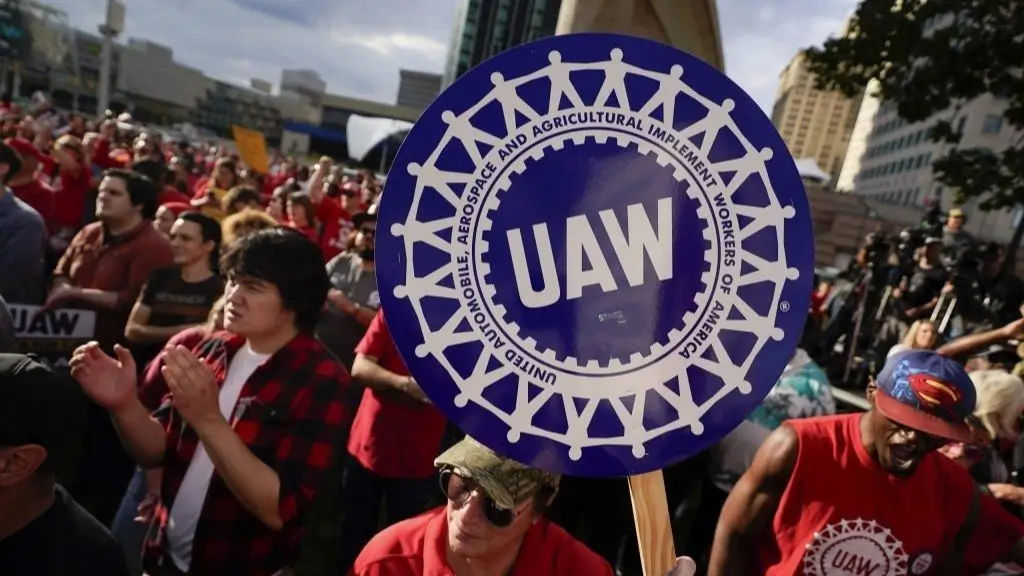
The United Auto Workers (UAW) paused plans for a strike authorization vote at Stellantis’ Sterling Heights Assembly Plant after union leaders said the automaker resolved grievances tied to outsourced skilled trades work, easing tensions at one of the company’s most important truck production facilities.
UAW Local 1700 President Michael Spencer confirmed the development in a May 7 member podcast, saying talks with Stellantis produced a resolution to the underlying grievances that had triggered the strike vote.
Initially, the vote was scheduled for May 7–8 and could have led to a work stoppage, pending approval from international UAW leadership. Spencer credited public pressure surrounding the potential vote with pushing Stellantis back to the negotiating table.
A plant too important to idle
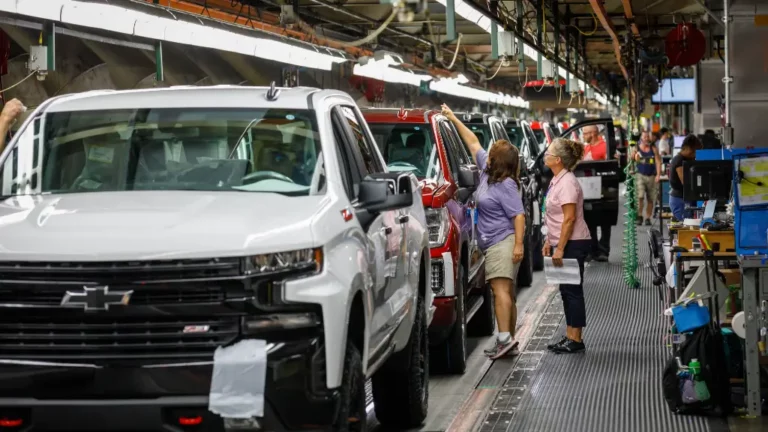
Currently, the Sterling Heights facility employs roughly 6,000 union workers and builds the Ram 1500 pickup, one of Stellantis’ most profitable vehicles. The plant has recently operated at full capacity as Stellantis increased V8-powered Ram production and addressed earlier engine shortage and quality issues.
The heart of the vote
Union officials have previously accused Stellantis of hiring outside contractors for specific plant projects rather than allowing skilled trades employees represented by the union to bid on those jobs. The skilled trades work in question included repairs to the production line and facility upgrades, such as lighting installation.
UAW officials stated that the agreement would enable union skilled trades workers to bid on future projects at the facility. Union leaders presented the agreement as a victory for local labor representation within the plant.
CBT News previously covered Stellantis ramping up production of the Ram 1500 at Sterling Heights as the automaker worked through engine shortages and quality-related disruptions.