Social media has become a key sales driver for dealerships. As consumer behavior shifts and competition increases, digital content now acts as a direct funnel for leads, trust, and revenue.
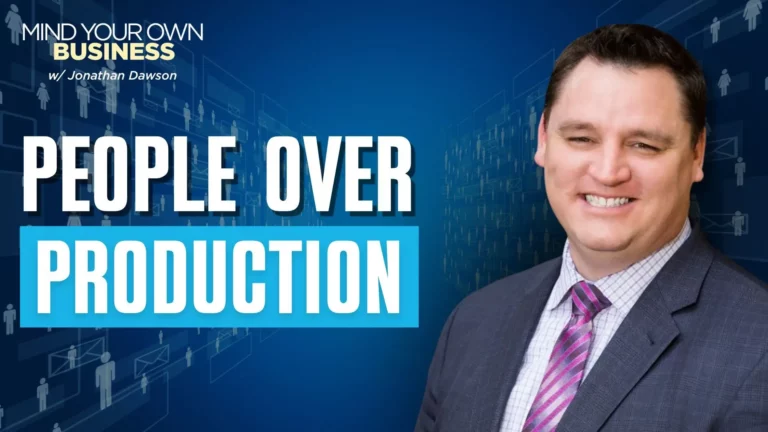
In this episode of Inside Automotive, RFW Training founder Russell “Russ Flips Whips” Richardson outlines his social media strategies, which focus on shifting from chasing views to connecting with customers and converting engagement into sales.
Richardson says dealerships adopting his structured social media strategies are reporting measurable gains in audience growth, lead generation, and recruitment. He says success is not measured solely by the number of followers, but by how dealers interact with that audience. For many dealers, social media channels have become a vehicle for consistent visibility that traditional advertising channels struggle to match.
The key to driving sales on social media
On the sales side, many dealerships report that social media has become their top-performing lead source, ranking ahead of more established digital marketing channels in monthly performance. Richardson points to this shift as evidence that consistent, organic content can drive customers into the showroom and generate online leads.
“Social media, in my mind, is the ultimate form of follow-up ... Social media is way more important today than even our website.”
Richardson emphasizes a clear divide between content designed for entertainment and content built to drive sales outcomes. Rather than relying on highly produced marketing videos, he recommends prioritizing authentic, unscripted content that builds trust with viewers.
He also encourages people to treat a social media post as if they are speaking directly to one person, rather than a large group. He says this approach creates stronger personal connections and improves conversion rates.
Richardson also says social media can serve as a cost-effective recruiting tool. Some fixed operations departments are now using platforms like TikTok, Instagram, and Facebook as primary hiring channels. He adds that this approach helps attract technicians, service advisors, and other key roles at a lower cost.
Social media strategy goes all the way to the top
RFW Training’s approach centers on bringing structure and accountability to dealership social media efforts, treating content creation as a repeatable process rather than an informal activity. The training model is designed to give sales teams and managers clear expectations for execution.
Another key component of Richardson’s strategy is leadership involvement. He says dealer principals and general managers should participate directly in social media efforts to help set the tone for adoption across the store.
“I have yet to see a GM, GSM, or owner be unsuccessful at social media,” Richardson said.
This strategy positions social media as a long-term follow-up system rather than a short-term marketing push. It also reinforces the idea that consistent visibility keeps sales teams and dealerships top of mind with customers beyond the initial interaction.
Getting off the ground on social media
Richardson offered these simple steps to help dealers improve their social media strategy:
- Stay consistent by posting simple, authentic content using mobile devices.
- Set a minimum standard of one post per workday, with no upper limit.
- Focus on building comfort and consistency before refining strategy.
Stay consistent to see results
After a few months of sustained execution, Richardson says dealerships can expect measurable results. He emphasizes that consistency matters more than viral moments.
“If you were to post every day on social media and follow my strategies, the longest I’ve ever seen an individual take to see results was about four months and three days,” Richardson said.
Richardson adds that this model increasingly positions social media as a core marketing and customer engagement channel, allowing dealerships to build direct relationships with consumers while reducing reliance on paid lead sources.