On the Dash:
- ADAS liability exposure remains significant, reinforcing the need for clear feature explanations at delivery.
- The $200 million punitive award highlights jury sensitivity to perceived safety gaps in emerging tech.
- Ongoing Autopilot litigation may affect consumer trust, regulatory discussions, and dealership risk assessments.
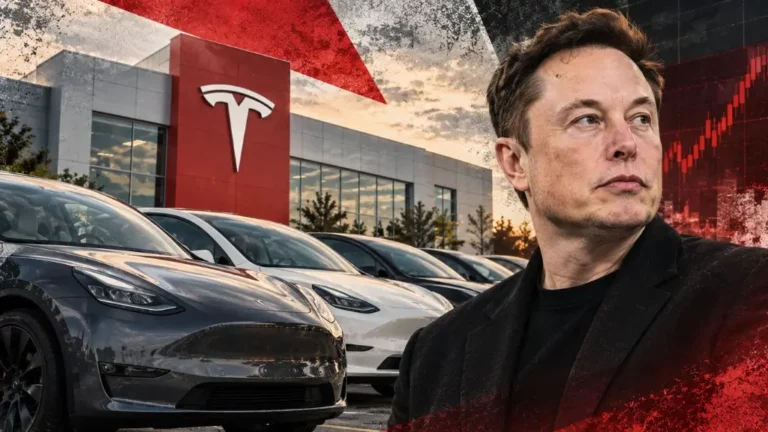
A federal judge rejected Tesla’s request to overturn a $243 million jury verdict stemming from a 2019 crash involving an Autopilot-equipped Model S that killed a 22-year-old woman and severely injured her boyfriend.
U.S. District Judge Beth Bloom said in a decision made public Friday that the trial evidence “more than supports” the August 2025 verdict and that Tesla raised no new arguments warranting reversal. However, the automaker is expected to appeal.
The case arose from a crash on April 25, 2019, in Key Largo. George McGee was driving his 2019 Tesla Model S at approximately 62 mph through an intersection while bending down to retrieve a dropped phone. His vehicle struck an SUV parked on the shoulder beside which Naibel Benavides Leon and Dillon Angulo were standing. Benavides was killed. McGee previously reached a settlement with the plaintiffs.
In August 2025, a federal jury found Tesla 33% responsible for the crash. Jurors awarded $19.5 million in compensatory damages to Benavides’ estate and $23.1 million to Angulo, along with $200 million in punitive damages to be divided between them, bringing the total to $243 million. The decision marked the first federal jury verdict involving a fatal accident tied to Tesla’s Autopilot system.
Tesla argued that McGee alone was at fault, that the Model S was not defective, and that the verdict defied common sense. The company also maintained that punitive damages were unwarranted under Florida law.
For dealers and industry stakeholders, the ruling underscores the legal and financial risks automakers face as advanced driver-assistance systems continue to evolve. While Tesla has confronted multiple lawsuits over its self-driving technology, previous cases had been resolved or dismissed before reaching trial. Musk has long positioned Tesla as a leader in autonomous driving for private vehicles and robotaxis, making the outcome of appeals closely watched across the retail automotive sector.