On the Dash:
- A JV framework could introduce Chinese-backed vehicles into the U.S. retail network under American-controlled partnerships.
- Increased global competition may pressure pricing, margins and inventory strategies at the dealership level.
- Policy uncertainty around trade and national security could create volatility in future OEM product pipelines.
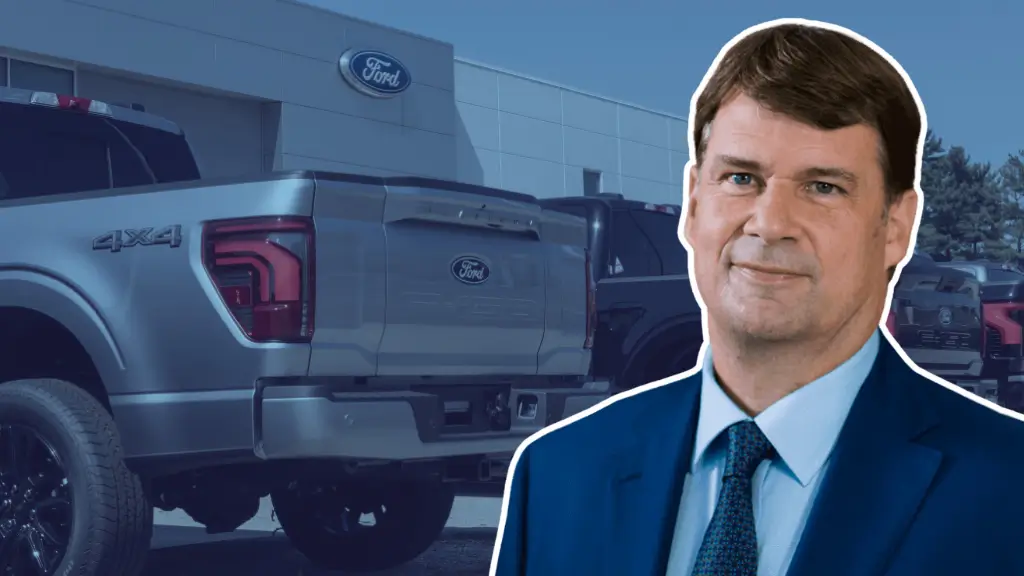
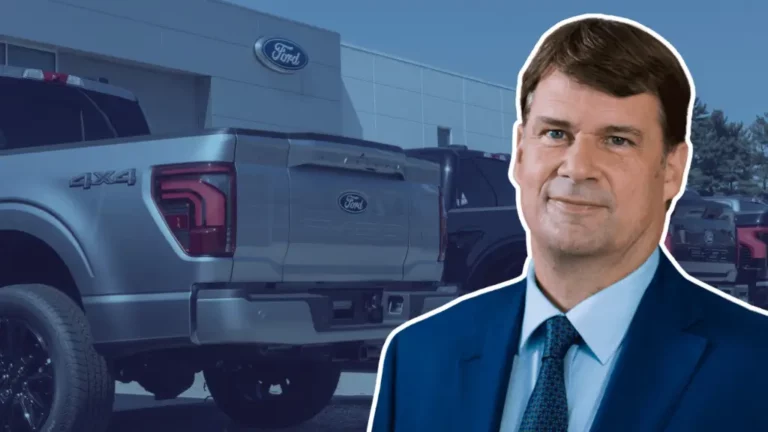
Ford CEO Jim Farley discussed a potential framework with senior Trump administration officials that could allow Chinese automakers to build vehicles in the United States through joint ventures controlled by American companies, according to people familiar with the matter.
The preliminary conversations took place last month at the Detroit Auto Show and included U.S. Trade Representative Jamieson Greer, Transportation Secretary Sean Duffy, and Environmental Protection Agency Administrator Lee Zeldin.
According to the discussed concept, Chinese automakers would collaborate with U.S. companies through joint ventures, with the American firm maintaining a controlling stake. Both parties would share profits and technology. However, no formal proposal has been put forward, and no decisions have been made.
The framework would mirror the structure China required of Western automakers decades ago, when foreign companies had to form joint ventures with Chinese partners to manufacture vehicles in China.
The discussions come as Chinese automakers move closer to North America. Canada recently announced plans to allow certain Chinese EVs into its market, and Chinese brands such as BYD are expanding rapidly in Mexico. President Donald Trump said in January he would be open to Chinese automakers building cars in the U.S. if they construct plants and hire American workers.
Still, the joint venture idea reportedly received an unwelcoming reception from some administration officials, who believe such a move could face political opposition in Washington amid economic and national security concerns.
Ford has consistently emphasized the need to protect the domestic market from heavily subsidized Chinese imports and has raised concerns about data privacy and national security.
Farley has previously described China’s low-cost, high-tech vehicles as an “existential threat” to Western automakers, while also acknowledging the need to learn from Chinese manufacturers as global competition intensifies.