On the Dash:
- President Donald Trump said he will raise tariffs on South Korean autos, lumber and pharmaceuticals to 25%, citing delays in Seoul’s legislative approval of a trade agreement.
- The announcement triggered immediate market reaction in South Korea, with auto stocks and the won falling amid uncertainty over timing and implementation.
- Analysts say the move underscores continued volatility in U.S. trade policy and could disrupt South Korea’s auto exports, one of its largest categories to the U.S.
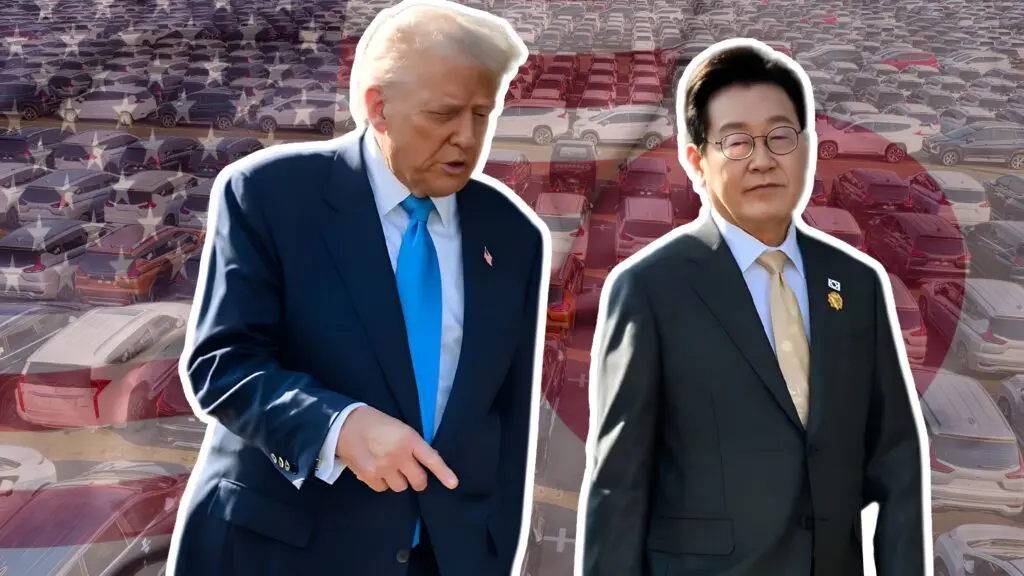
President Donald Trump said Monday he is increasing tariffs on South Korean imports, including autos, lumber and pharmaceuticals, from 15% to 25%, accusing Seoul’s legislature of failing to enact a trade agreement with the United States.
In a social media post, Trump criticized South Korea’s legislature for not approving the deal, saying the delay prompted his decision to raise tariffs across several major sectors. He did not specify when the higher tariffs would take effect or identify a specific triggering event.
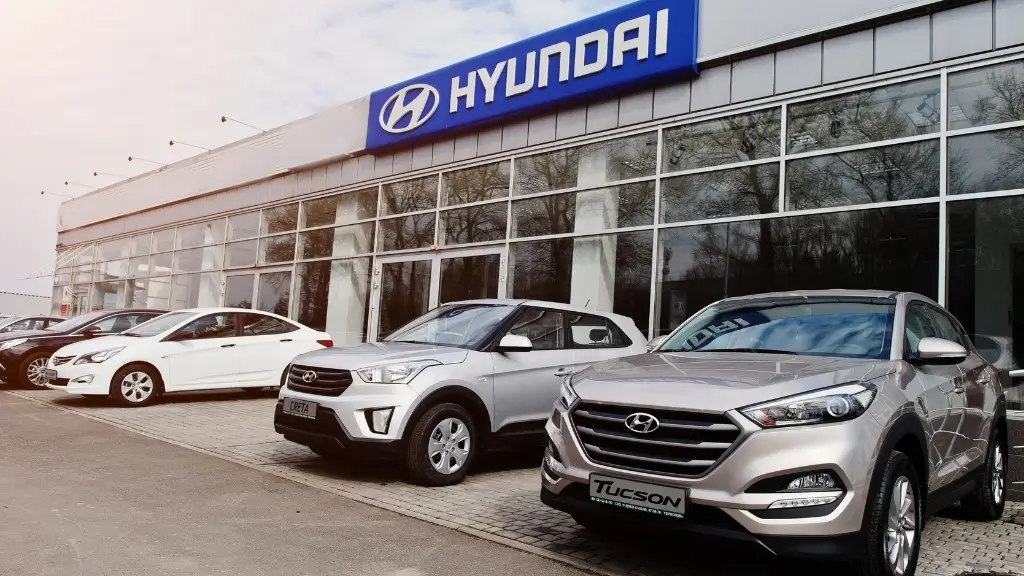
However, financial markets in South Korea reacted quickly, with the benchmark KOSPI index falling 0.7% in early trading Tuesday, while the won weakened by about 0.5% against the U.S. dollar. Shares of Hyundai Motor and Kia also dropped 3.5% and 4.8%, respectively, reflecting concerns about the impact on auto exports to the U.S.
South Korea’s presidential office said it had not received formal notification from Washington regarding the tariff increase. Officials said consultations with relevant ministries were planned to assess potential responses. Industry Minister Kim Jung-kwan is expected to travel to the U.S. later this month for meetings with Commerce Secretary Howard Lutnick.
The United States is South Korea’s second-largest export market after China, with autos accounting for roughly a quarter of shipments to the U.S. Under a framework agreement reached last year, tariffs on South Korean autos and auto parts were reduced to 15% beginning Nov. 1, aligning them with rates applied to Japanese competitors. U.S. officials have expressed frustration over the pace of South Korea’s legislative implementation.
South Korea posted record exports of $709.4 billion in 2025, though shipments to the U.S. declined 3.8%. Auto exports to the U.S. totaled $30.2 billion, down more than 13% from the previous year.
Seoul has also committed to a $350 billion investment package in U.S. strategic sectors, including phased cash contributions designed to limit pressure on the won. Analysts said uncertainty surrounding the timing of those investments, combined with legislative delays, may have contributed to Trump’s decision.
Economists warn that renewed tariff volatility could disrupt global trade flows and add inflationary pressure in the U.S., while reinforcing uncertainty for manufacturers and investors navigating shifting trade policy.