
What if the biggest foreign influence in your car isn’t visible on the badge? Americans are being warned that Chinese automotive technology can create national-security risks, yet some of the world’s biggest automakers increasingly rely on Chinese companies for batteries, software, components and manufacturing. Now Washington is warning Ford about that dependence while Congress considers restrictions on foreign technology and greater consumer control over vehicle data. Something doesn’t add up.
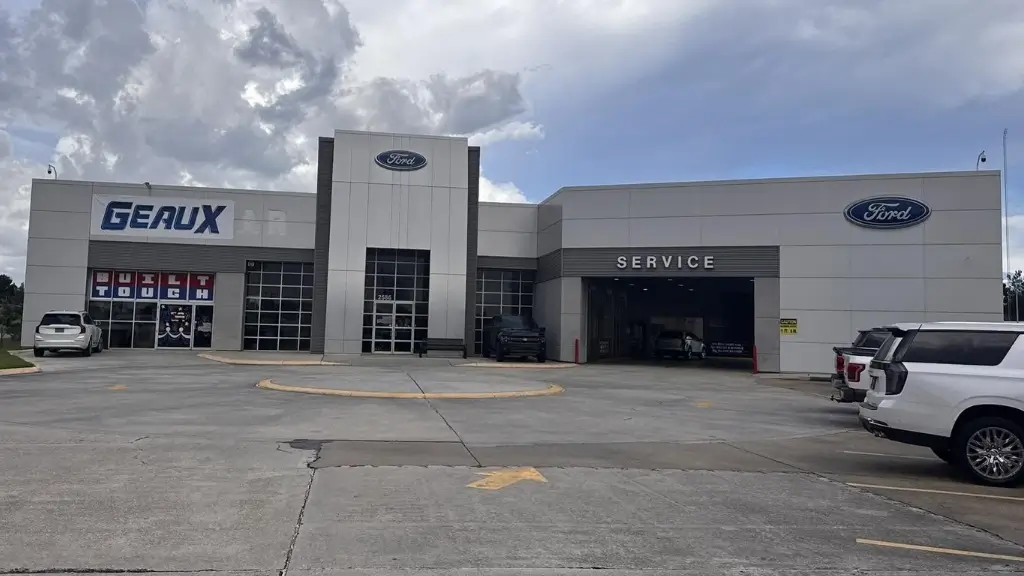
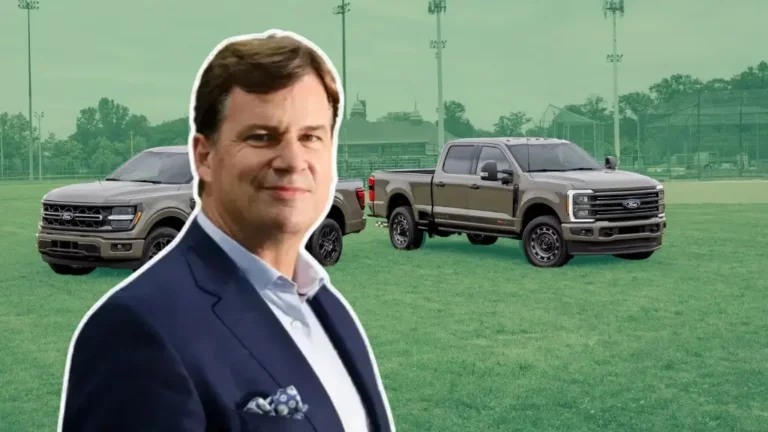
On Sept. 8, Transportation Secretary Sean Duffy sent Ford CEO Jim Farley a letter criticizing the company’s growing reliance on China. Duffy cited Ford’s use of licensed technology from Chinese battery manufacturer CATL at its BlueOval Battery Park in Michigan, its partnership with China’s Geely Auto in Spain and plans to delay reshoring some Lincoln models until 2030. His message was clear: American companies shouldn’t become increasingly dependent on strategic competitors for critical technology and manufacturing.
Ford isn’t alone. Toyota has worked with BYD, Volkswagen has partnered with XPeng, Mercedes-Benz has ties to Geely, BMW has worked with Great Wall Motor, Stellantis has a strategic partnership with Leapmotor and Mazda has partnered with China’s Changan Automobile. Volvo is majority-owned by Geely Holding. These relationships don’t automatically make a vehicle dangerous, but they reveal how deeply Chinese companies are embedded in the global automotive industry. A car doesn’t have to be Chinese-built to contain significant Chinese technology, which means asking whether a vehicle is “American made” doesn’t tell consumers the whole story.
Your car is now a computer
Today’s vehicle is no longer simply an engine, transmission and four wheels. It is a connected computer with an enormous collection of sensors, cameras, GPS, cellular connections and software. Those systems can collect information about where a vehicle goes, how it is driven and how its technology is being used. That creates two very different questions: What happens to that information, and who might have access to the technology collecting it?
Washington is increasingly focused on the national-security side. The proposed Connected Vehicle Security Act of 2026, S. 4429, would restrict certain connected vehicles and related technology associated with foreign adversaries including China, Russia, Iran and North Korea. The House companion is H.R. 8730. The legislation reflects growing concern about foreign influence over connected-vehicle technology and systems.
But there is another issue consumers should be watching just as closely: Who controls the data your vehicle generates? H.R. 6734, the Auto Data Privacy and Autonomy Act, would give vehicle owners greater control over covered vehicle data and restrict certain manufacturer access, sale or sharing without consent. That matters because your vehicle can generate valuable information about where and how you drive. Consumers should know what information is collected, who receives it, whether it is sold or shared and whether they have a meaningful way to opt out.
Calling out the BS
Here’s where the BS needs to stop. Protecting Americans from foreign technology risks is a legitimate national-security issue, but that doesn’t mean every Chinese component is automatically dangerous. It also shouldn’t become an excuse for government to decide everything Americans can own, repair or do with their vehicles. The same standard should apply to automakers: if you buy the vehicle, you should have meaningful control over the information it generates, and if critical technology comes from a strategic competitor, consumers deserve to know that, too.
So why are automakers doing business with Chinese companies? Money is a big part of the answer. China has enormous manufacturing capacity and has become a major force in batteries, electric vehicles and automotive technology. Chinese partnerships can give Western automakers access to technology, manufacturing expertise and lower-cost production without spending years and billions of dollars developing everything themselves. That’s good business, but business convenience and national security aren’t necessarily compatible. Once an industry becomes dependent on another country for critical technology, breaking that dependence becomes expensive and difficult, while the supplier gains leverage.
American made doesn’t tell the whole story
The old definition of “American made” is becoming increasingly complicated. A vehicle can be assembled in Michigan while depending on technology developed overseas. It can wear an American, Japanese or German badge while relying on a supply chain that stretches around the world. It can also sit in your driveway while generating data you may not completely control.
That doesn’t mean every vehicle containing Chinese components is a threat. It means consumers deserve transparency. Before buying your next connected vehicle, ask where the critical technology comes from and who supplies the batteries, computers and software. Ask what information the vehicle collects, who gets access to it and whether you have the ability to say no. The badge may tell you who sold you the vehicle, but it doesn’t tell you everything that’s inside it.
The automotive industry is entering a new era where software, batteries, electronics and data can be just as important as horsepower and handling. China is already deeply embedded in the global automotive supply chain, while Washington is now telling American automakers to reduce that dependence. Those two realities deserve far more scrutiny from consumers, lawmakers and the companies building the vehicles we drive.
So the next time someone tells you a vehicle is “American made,” look beyond the sticker. Ask who built the technology, who supplied the critical components, who controls the software and who has access to your data. Because the badge tells you who sold you the car, but it doesn’t tell you everything that’s underneath it.
Check out my full commentary on this story: https://youtu.be/EJzeiTdae3Q
Looking for more automotive news? https://www.CarCoachReports.com
Listen and subscribe to The Drive with Lauren and Karl – https://www.youtube.com/@thedrivecarshow