On the Dash:
- Edmunds expects U.S. new-vehicle sales to reach about 16 million units in 2026 as the market stabilizes.
- Affordability continues to divide buyers, pushing many price-sensitive shoppers out of the new-vehicle market.
- EV market share is expected to dip, while off-lease supply improves used-vehicle availability.
The U.S. new-vehicle market is expected to remain steady in 2026, with sales reaching about 16 million units, according to new analysis from Edmunds. While inventory and pricing have largely stabilized, affordability pressures continue to limit growth and reshape consumer behavior heading into the new year.
Edmunds projects new-vehicle sales of about 16.3 million units in 2025 before easing slightly to 16 million in 2026. The forecast reflects a market that has moved past the extreme volatility of recent years and settled into a more sustainable operating rhythm. Inventory levels, pricing discipline, and days to turn have normalized, signaling healthier fundamentals for automakers and dealers.
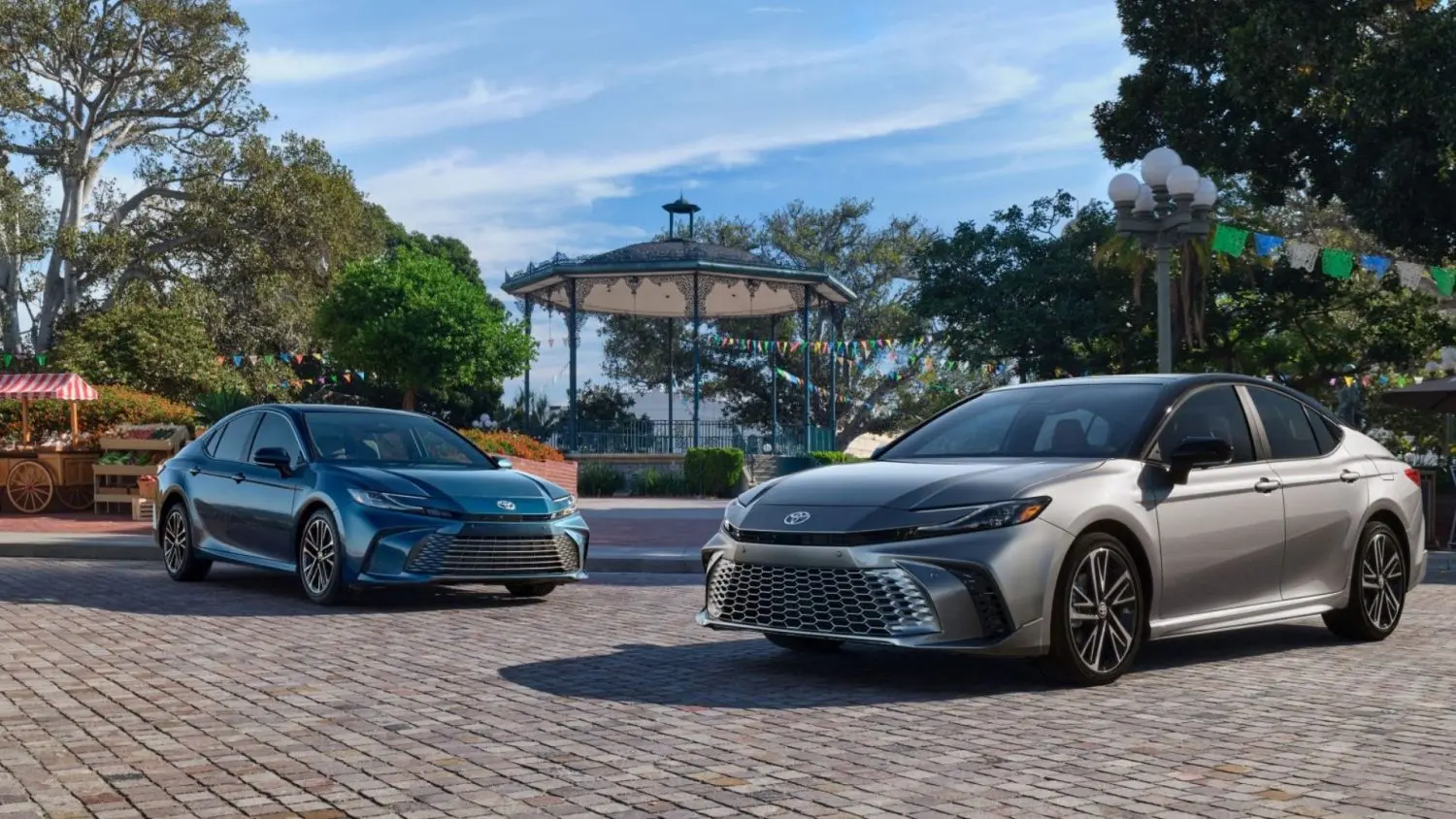
Affordability remains the dominant challenge. Data shows a widening divide between higher-income buyers who can absorb today’s prices and more price-sensitive shoppers who are increasingly pushed out of the new-vehicle market. Consumers who remain active buyers continue to favor larger SUVs and trucks, while sedans account for a shrinking share of total sales. Luxury buyers, meanwhile, continue to show strong brand loyalty rather than trading down to lower-priced options.
Despite easing interest rates, elevated transaction prices still limit access for many buyers. Average new-vehicle prices have leveled off and are expected to remain stable through 2026. While lower loan rates may provide modest monthly payment relief, strong credit remains critical for affordability.
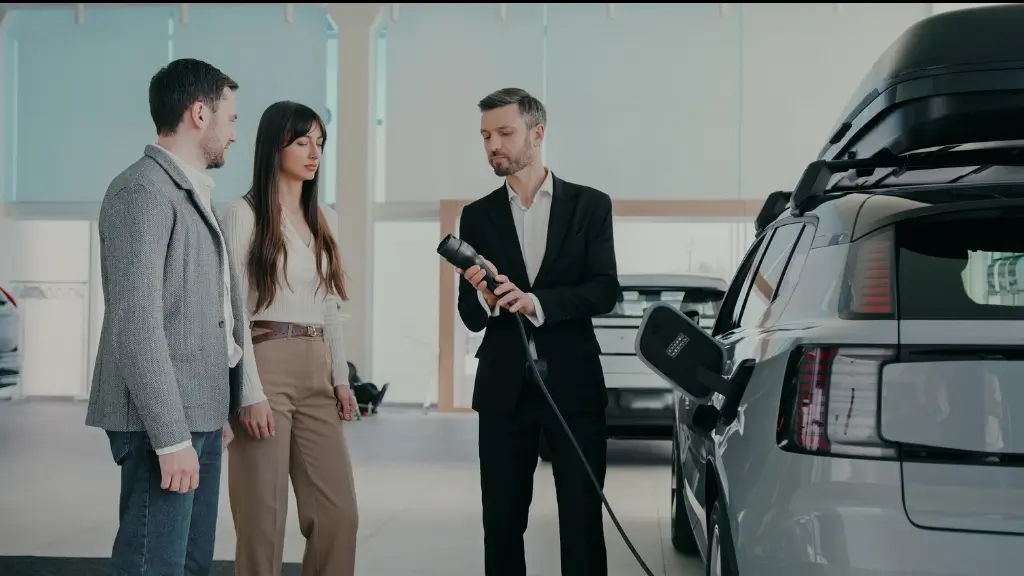
Electric vehicle demand is also expected to soften. Edmunds forecasts EV market share will dip to about 6% in 2026, down from an estimated 7.5% in 2025, as incentive-driven demand fades following the expiration of federal tax credits. Leasing penetration has already declined, highlighting sensitivity to monthly payment changes. More affordable EV models may help stabilize interest, though not fully offset lost incentive-driven volume.
One area expected to improve affordability is the used market. Edmunds expects off-lease vehicle supply to rebound in 2026, increasing the availability of lower-mileage used vehicles after several years of tight inventory. This shift could provide relief for shoppers priced out of new vehicles.
Overall, Edmunds expects 2026 to reflect steady demand rather than rapid growth, shaped by affordability constraints, stabilizing prices, shifting EV demand, and improving used supply.