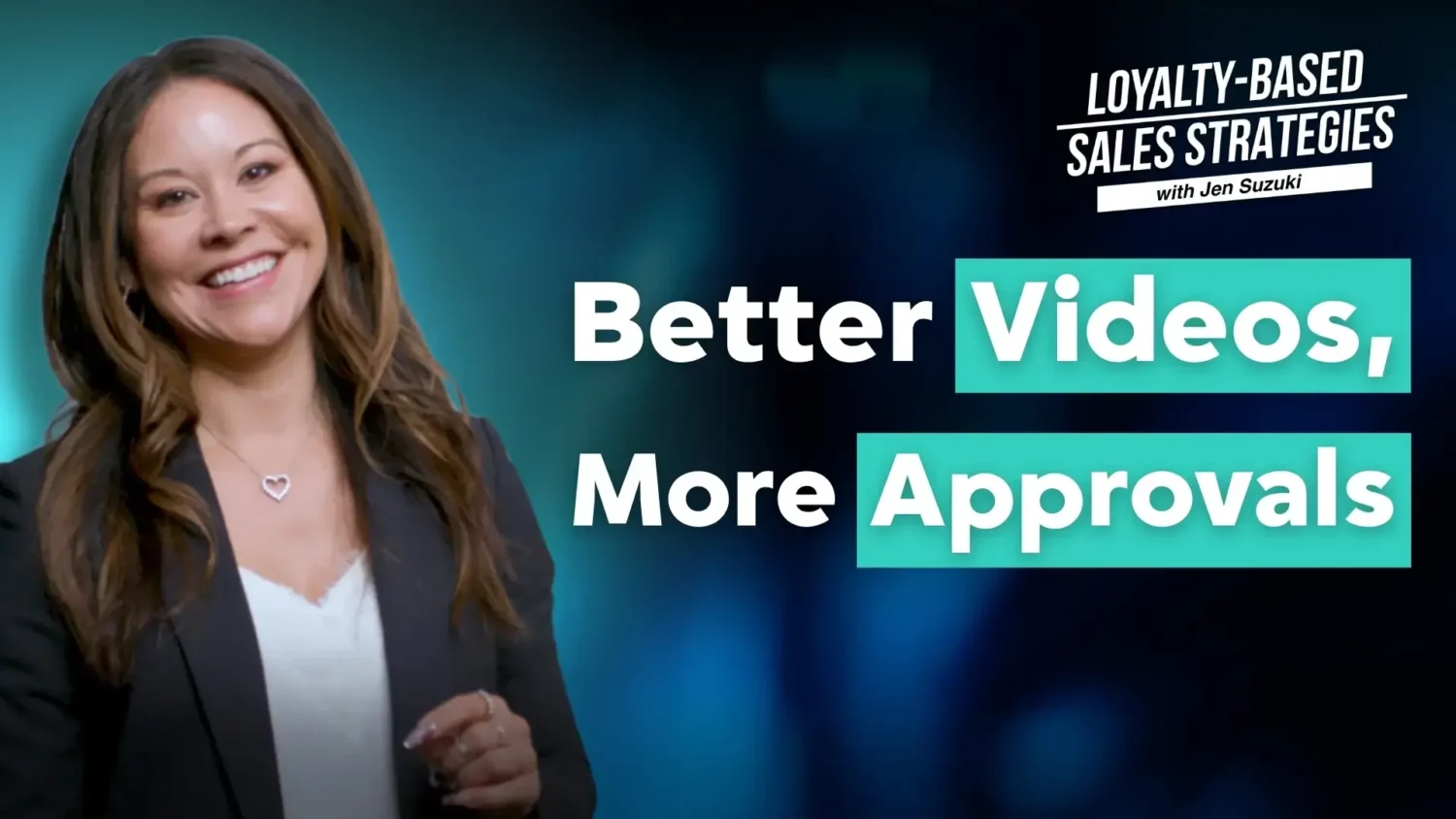
At Richmond Ford Automotive Group, exceptional customer experiences go beyond repairs; they are driven by data and focused on loyalty. Vice President Kayla Kody is transforming the service lane through intelligent scheduling, AI-enhanced communications, and personalized lifecycle management. This strategy ensures customers feel valued and supported, while technicians and advisors operate efficiently and build long-term loyalty.
On today’s episode of Loyalty-Based Sales Strategies, Kody shares how Richmond Ford is setting a new standard for service excellence in 2025.
Facing national-level demand pressures and technician shortages, Kody’s team implemented strategies to maximize operational efficiency while enhancing the guest experience. One key innovation was scheduling service appointments by hours rather than by the number of vehicles, allowing for accurate capacity planning and ensuring upsell opportunities were consistently available.
Kody also highlights improvements in Multi-Point Inspections (MPIs), which increased from 67% to 97% completion within two months. MPIs now include photos and videos to educate customers about their vehicles, safeguard the dealership, and strengthen trust.
Technology integration plays a central role in Richmond Ford’s strategy. Advisors and technicians now use messaging tools and automated alerts to streamline communication, while AI helps train service advisors in empathy, lifecycle-driven sales opportunities, and effective customer interactions. This method promptly notifies technicians when work is approved, minimizing delays and enhancing efficiency.
“We really had to go back to the basics and say how do we make this smarter… we know we can't keep doing things the same way, so the first phase was let's schedule by hours and obviously skills, so we might have a specific percent for recall and maintenance.”
For Richmond Ford, data use extends beyond the service lane. Customer vehicle history, declined work, and equity positions are analyzed to guide proactive outreach, helping retain customers and identify trade-in or acquisition opportunities. By merging service and sales insights, the dealership fosters a seamless customer journey across departments.
Further, Kody emphasizes that customer experience remains a top priority, with the dealership encouraging advisors to provide options rather than hard-sell recommendations. This ensures customers feel informed and supported. Simultaneously, staff retention and interdepartmental collaboration remain critical, with technology enabling teams to work efficiently and effectively.
These strategies have already yielded measurable results, including an 11% year-over-year increase in customer pay revenue. Kody said continued focus on AI, data-driven lifecycle marketing, and cultural alignment across service, sales, and parts departments will help Richmond Ford maintain operational efficiency, retain talent, and enhance customer loyalty.