
On the Dash:
- Mercedes posts stronger-than-expected Q3 margins and plans a €2 billion share buyback over 12 months.
- Sales in China fell 27%, marking the worst quarterly performance since 2016, while luxury EV demand remains soft.
- Cost-cutting measures and robust liquidity support profitability amid global trade and market challenges.
On October 29, Mercedes-Benz confirmed its group annual guidance and plans to proceed with a 2 billion euro ($2.3 billion) share buyback over 12 months after reporting stronger-than-expected third-quarter margins.
According to the automaker, adjusted return on vehicle sales rose to 4.8% in the period, within the company’s projected full-year range, and shares jumped as much as 7.7% in Frankfurt, marking the steepest intraday gain since April.
The luxury automaker’s third-quarter results exceeded analysts’ expectations, with net liquidity rising to 32.2 billion euros, proving the financial foundation for the planned 12-month buyback, despite recording around 1.35 billion euros in charges, primarily related to staff reduction programs in Germany and abroad. However, the automaker maintained profitability and demonstrated resilience amid ongoing market pressures.
Additionally, sales of electric and hybrid vehicles increased during the quarter, with battery-powered van deliveries nearly doubling. However, cooling demand for high-end EVs and luxury vehicles continues to pose a challenge for the company. This also highlights the risks of its upmarket strategy that emphasizes high-margin models while scaling back entry-level offerings.
Notably, Mercedes-Benz faces regional hurdles, with sales in China falling 27% in Q4, the worst quarterly performance since 2016, as luxury demand softened and local manufacturers such as BYD and Xiaomi gained market share. In the U.S., rising tariffs are affecting the profitability of large SUVs, further testing Mercedes’ global strategy.
To defend profitability, Mercedes is implementing cost-cutting measures, including staff reductions, and has booked a “mid-three-digit million euro” provision related to its UK motor-finance operations. The provision comes amid a financial regulator’s review of historical car-loan practices and a proposed compensation program for customers who may have been charged higher interest rates due to previous commission arrangements between lenders and dealers.
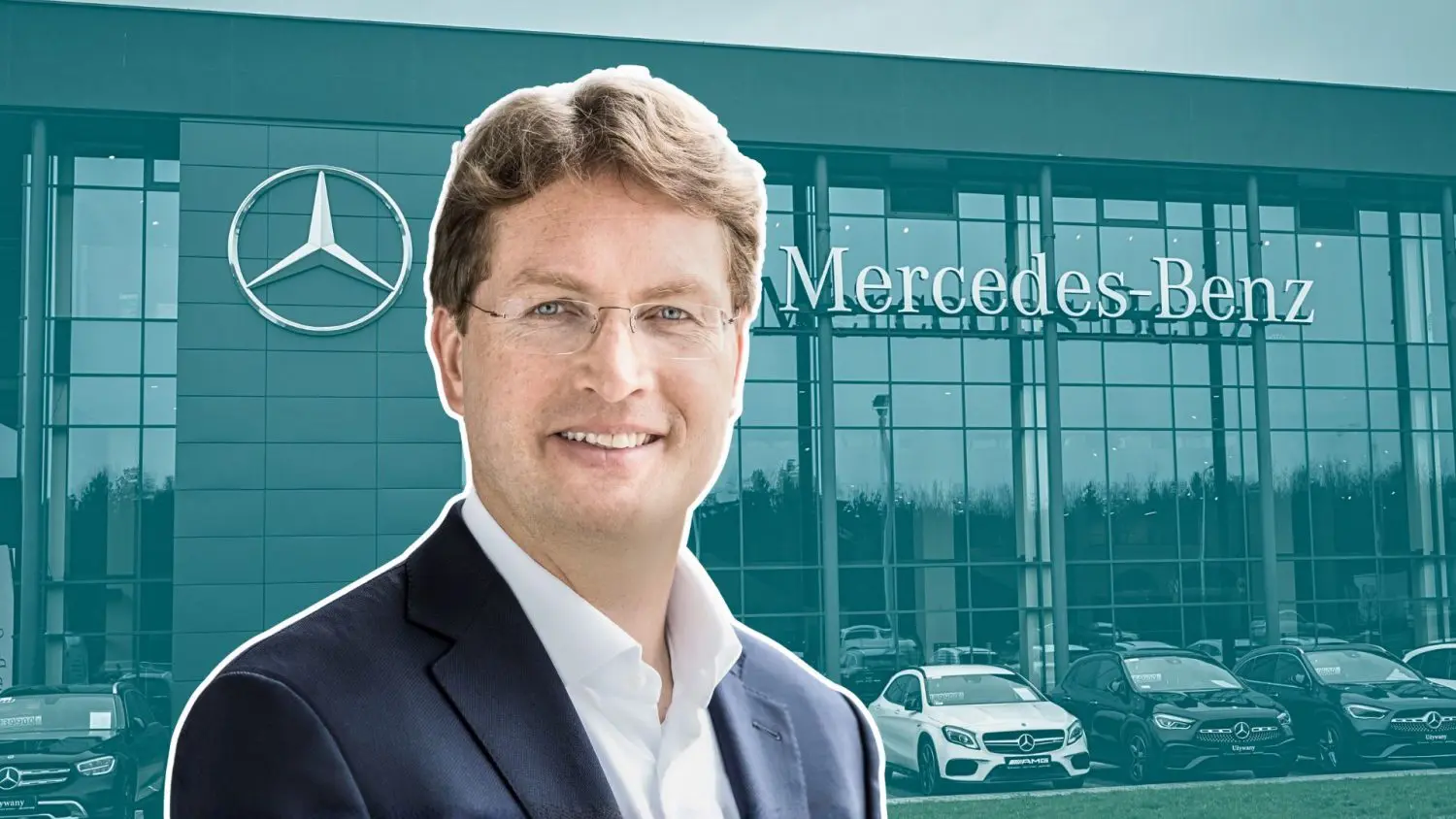
CEO Ola Källenius acknowledged the market remains challenging but emphasized that Mercedes will continue to pursue efficiency measures while delivering attractive returns for shareholders. The company’s upmarket strategy has boosted revenue per vehicle but also increased exposure to fluctuations in luxury demand, particularly for pricier EVs.
As Mercedes continues to navigate global headwinds, its focus on cost management, electrification, and shareholder returns positions the company to weather market volatility while maintaining its leadership in the luxury automotive segment.