On the Dash:
- U.S. tariffs on Japanese automobiles and auto parts drop from 27.5% to 15% starting Tuesday, following President Trump’s executive order.
- The move protects a major component of Japan’s exports, employment, and wage growth, easing financial pressure on manufacturers.
- Japan has pledged a $550 billion U.S. investment fund as part of the trade deal. However, U.S. officials that unclear details on funding and compliance may lead to higher tariffs if commitments are not met.
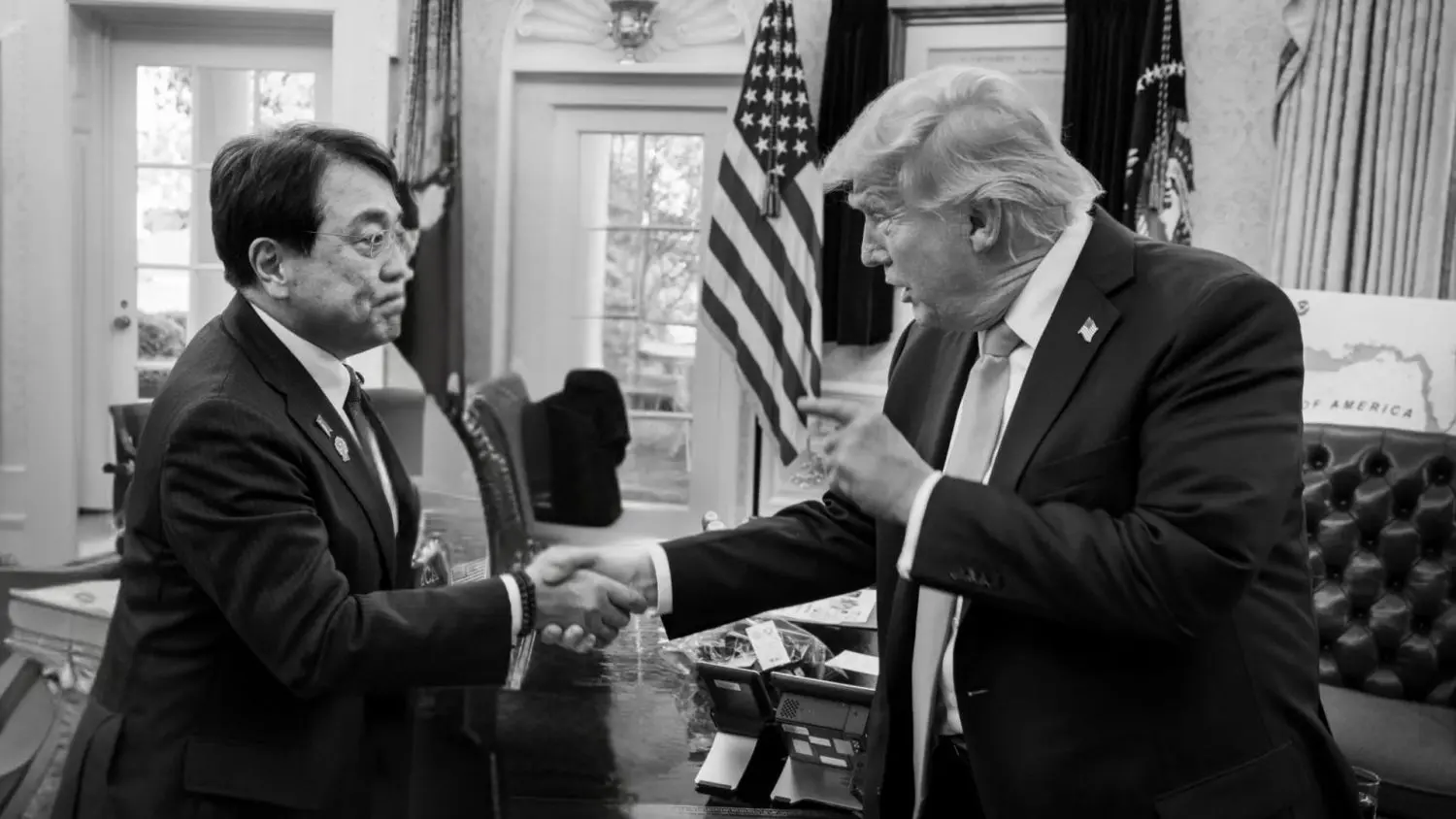
The United States will formally implement a lower 15% tariff on Japanese automobiles and auto parts effective today, in line with a trade agreement between the two nations, lowering the previous tariff from 27.5%. This reduction stems from an executive order signed earlier this month by President Donald Trump.
According to guidance from U.S. Customs and Border Protection, the new tariff applies to passenger vehicles, light trucks, and automobile parts that are produced in Japan and imported for consumption or withdrawn from a warehouse for consumption after 12:01 a.m. Eastern Daylight Time on September 16, 2025.
The tariff cut is a major relief for Japan’s automotive sector, a key driver of exports to the U.S., a significant source of employment, and an influential factor in wage growth. Japanese officials had pressed the Trump administration to reduce auto tariffs, citing the critical importance of the industry to the national economy.
The broader trade agreement also includes Japan’s commitment to establish a $550 billion U.S. investment fund, a major concession that helped secure the lower tariff rate. However, concerns have been raised regarding the funding and implementation of this investment fund, as both countries have presented differing descriptions of the commitment. U.S. Commerce Secretary Howard Lutnick has warned that Japan could face higher import taxes if it fails to fully fund the investment decisions made by Trump.
The tariff reduction is expected to affect pricing, import strategies, and logistics for automakers and parts suppliers. Analysts suggest that U.S. consumers may experience modest cost benefits on Japanese vehicles and components over time, while policymakers continue to monitor Japan’s compliance with the investment fund commitment.
The automotive sector remains the largest component of Japanese exports to the U.S., and the lower tariff could set a precedent for future trade negotiations. Meanwhile, the Trump administration has emphasized the move as part of a broader strategy to leverage trade deals and tariffs to strengthen U.S. economic interests.