On the Dash:
- Ford and SK On are looking for clients to purchase their excess battery supply amid declining consumer demand.
- Prospective clients include energy storage firms and other automakers.
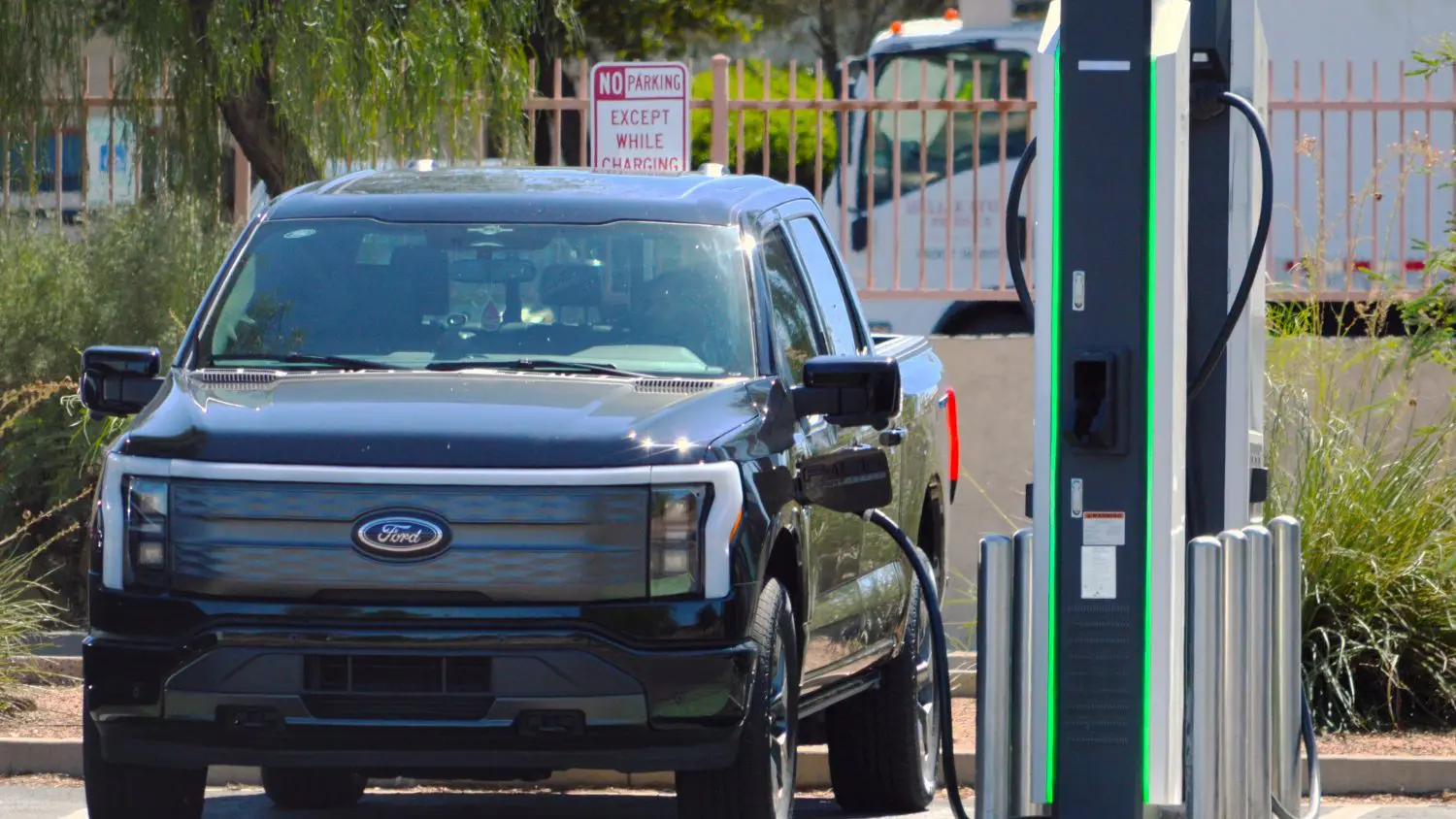
- The Kentucky plant will continue to supply batteries for Ford’s F-150 Lightning pickup, but the companies are broadening their strategy to sign up additional customers to better utilize production capacity.
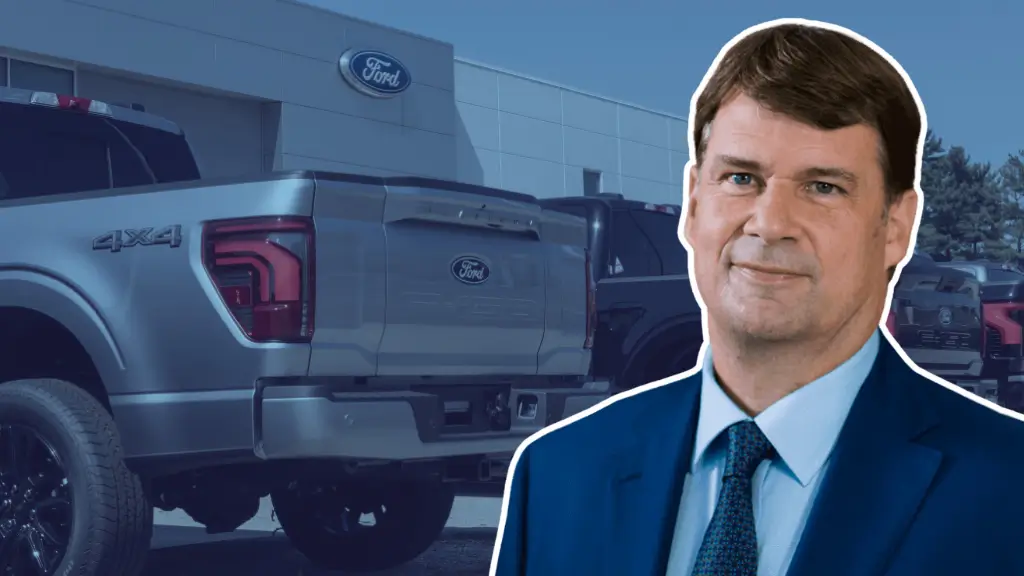
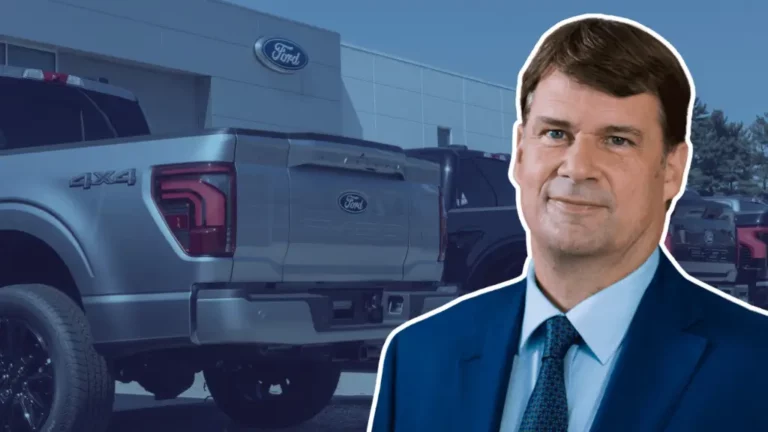
Ford Motor and South Korea’s SK On are looking for buyers to purchase their excess EV battery supply. The automaker and battery maker started a joint venture in 2021, producing next-gen batteries at its Kentucky plant with the help of a $9.2 billion loan from the U.S. Department of Energy. However, in the face of slowing demand for electric vehicles in the U.S., the companies are looking to sell off excess inventory to better realign with consumer demand.
The plant officially began production on Tuesday and will continue to supply batteries for Ford’s F-150 Lightning pickup. Production will expand later this year to include Ford’s E-Transit electric van.
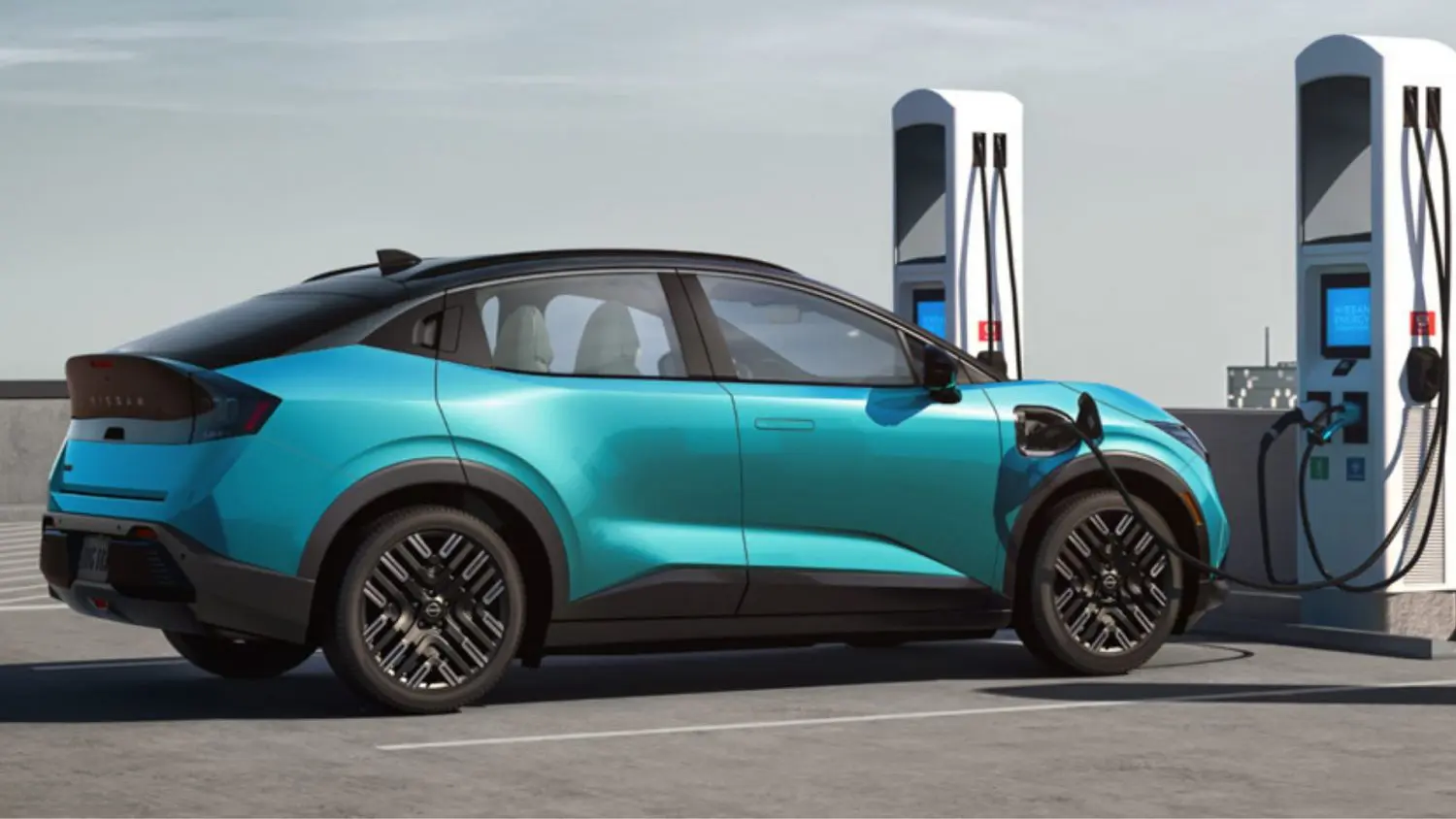
Michael Adams, CEO of the BlueOvalSK joint venture, said prospective clients could range from energy storage firms to other EV makers. Although no formal agreement was announced, in May, Ford allowed Japan’s Nissan to utilize part of one of its Kentucky battery plants.
Ford and SK On originally projected the Kentucky factory would employ 2,500 workers at full production, but current plans call for 1,450 as the companies scale back. They have also paused the launch of a second Kentucky battery plant.
In February, Ford announced it was postponing the launch of its next-gen electric F-Series pickups from late 2027 to mid-2028. A separate $5.6 billion complex in Tennessee, which includes a third BlueOvalSK battery plant, has also been delayed.
Ford is overhauling its EV strategy to focus on smaller, more affordable models and lower-cost lithium iron phosphate batteries, which it plans to produce at a new factory in Michigan. BlueOvalSK plants will continue making lithium nickel manganese cobalt batteries, which are more commonly used across the industry.
Ford lost $5.1 billion on its EV business last year and has warned that losses could widen this year. By opening up BlueOvalSK capacity to new customers, the company aims to reduce costs, strengthen its domestic supply chain, and push its EV business toward profitability.