TSLA342.2702.31%
GM86.7700.38%
F14.3650.475%
RIVN15.360-0.46%
CYD45.375-0.185%
HMC31.5500.35%
TM191.1402.43%
CVNA75.6201.92%
PAG219.9401.27%
LAD376.950-1.70999%
AN209.3900.98%
GPI263.9500.94001%
ABG211.0700.49%
SAH80.8601.62%
TSLA342.2702.31%
GM86.7700.38%
F14.3650.475%
RIVN15.360-0.46%
CYD45.375-0.185%
HMC31.5500.35%
TM191.1402.43%
CVNA75.6201.92%
PAG219.9401.27%
LAD376.950-1.70999%
AN209.3900.98%
GPI263.9500.94001%
ABG211.0700.49%
SAH80.8601.62%
TSLA342.2702.31%
GM86.7700.38%
F14.3650.475%
RIVN15.360-0.46%
CYD45.375-0.185%
HMC31.5500.35%
TM191.1402.43%
CVNA75.6201.92%
PAG219.9401.27%
LAD376.950-1.70999%
AN209.3900.98%
GPI263.9500.94001%
ABG211.0700.49%
SAH80.8601.62%

California moves to boost EV sales and emissions rules

The state proposes tax credits, new car emissions standards, and expanded EV perks to counter federal rollbacks.
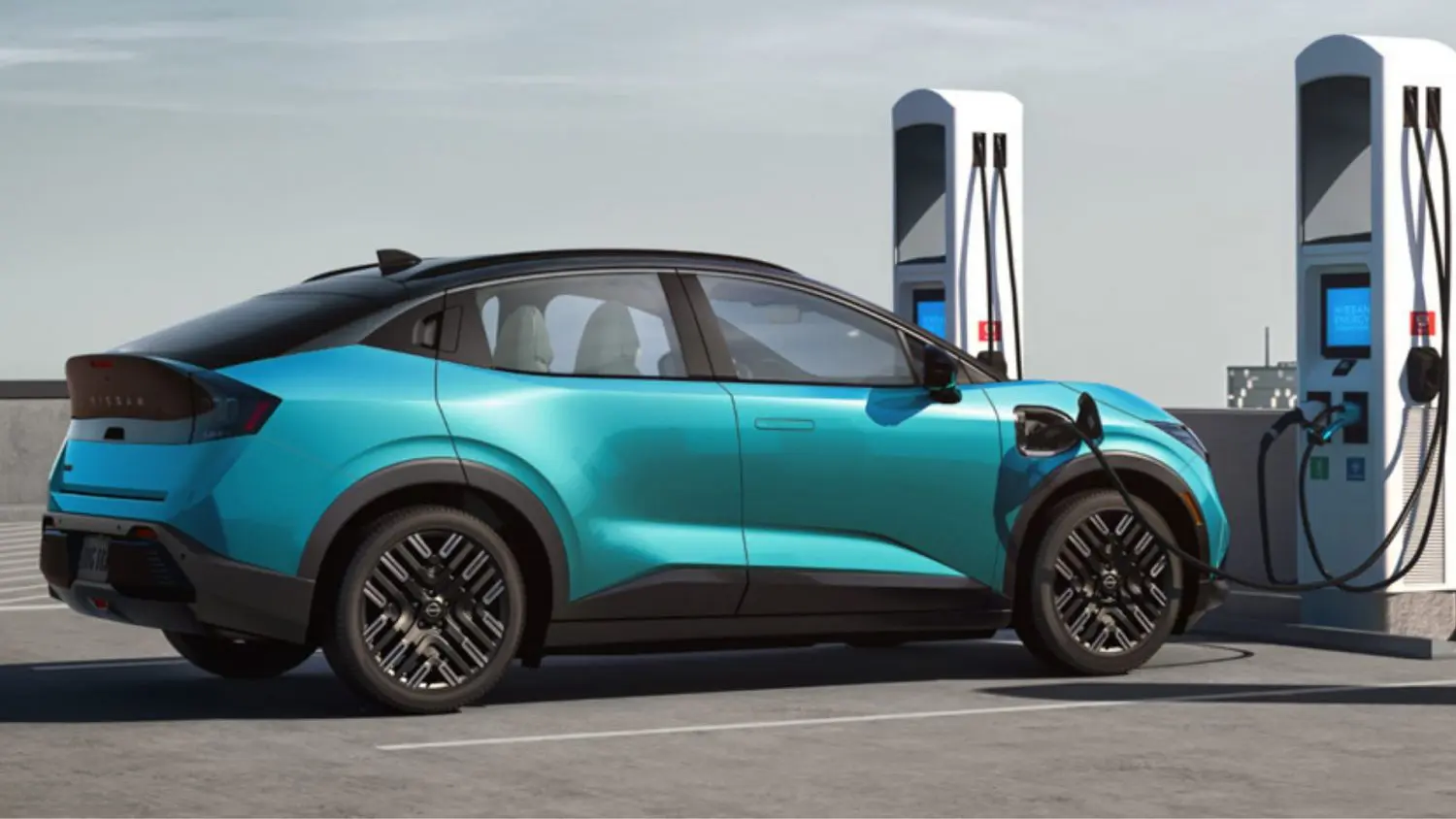
California regulators are moving forward with plans to support EV adoption and strengthen auto emissions standards.

On the Dash:

  • California plans to backfill the expiring $7,500 federal EV tax credit with rebates, vouchers, or other incentives to boost new and used EV sales.
  • Following Governor Newsom’s executive order, CARB is crafting new auto emissions standards, which could take up to three years to finalize.
  • CA agencies propose increasing fast-charging stations and maintaining EV access to carpool lanes to sustain EV adoption amid federal rollbacks and regulatory conflicts.

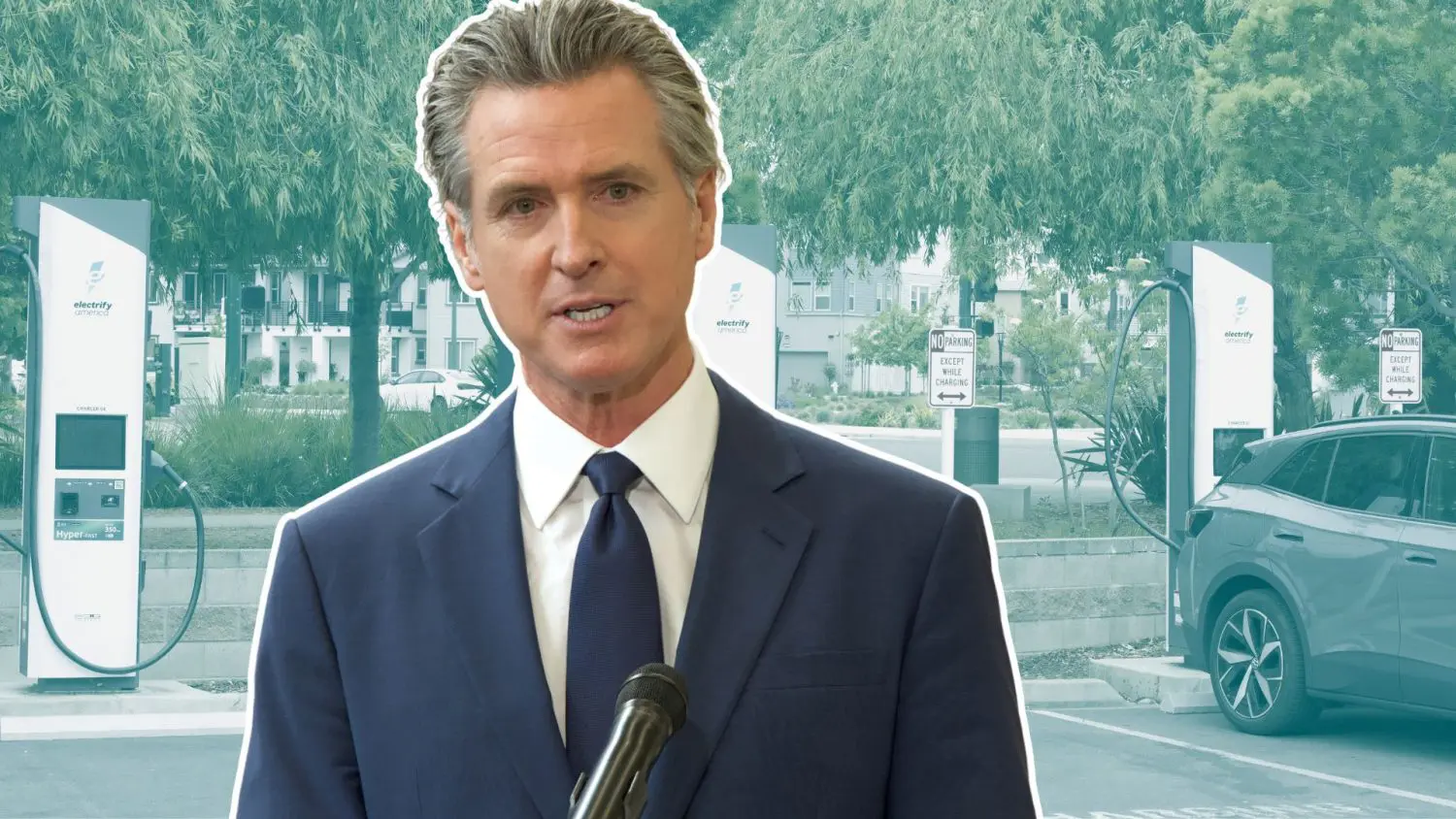
California regulators are moving forward with plans to support electric vehicle (EV) adoption and strengthen auto emissions standards in response to federal rollbacks under the Trump administration. The California Air Resources Board (CARB) and five other state agencies recommended backfilling the $7,500 federal EV tax credit set to expire in September. Proposed incentives could include vouchers, rebates, or other measures to help boost sales and expand the availability of used EVs.

The recommendations follow a June executive order from Governor Gavin Newsom directing CARB to begin developing new rules for automobile emissions. CARB Chair Liane Randolph emphasized that the state is taking action to reduce tailpipe emissions independently of federal guidance. However, the process to finalize the new standards could take up to three years.

Sign up for CBT News’ daily newsletter and get the latest industry stories delivered straight to your inbox.

Moreover, the move comes amid an ongoing conflict between California and the Trump administration over the state’s authority to set stricter vehicle emissions standards.

In June, President Trump signed a measure repealing waivers that allowed California to implement rules more stringent than federal requirements. That action also terminated the state’s planned ban on gasoline-powered car sales by 2035. California and several other states filed lawsuits to block the federal rollback.

Additional recommendations from the agencies include expanding EV charging stations along major travel corridors and exploring options to allow EVs continued access to carpool lanes, a perk set to end after September when Congress did not extend the federal program enabling such exemptions.

The state aims to maintain momentum on reducing vehicle emissions despite federal setbacks, signaling a continued push toward zero-emission transportation.

Read More
More from Articles
Charlie Obaugh acquires Campus Ford in Virginia

Charlie Obaugh acquires Campus Ford in Virginia

- August 14, 2026
Charlie Obaugh Auto Group has acquired Campus Ford in Waynesboro, Virginia, from Matt McMurray. The transaction was announced in August 2026, with Performance Brokerage Services serving as the exclusive buy-side...
Revised USMCA proposals could cost billions annually, Detroit automakers warn

Revised USMCA proposals could cost billions annually, Detroit automakers warn

- August 14, 2026
On the Dash: USMCA revisions raising U.S. content thresholds to 50% could add at least $2 billion in annual costs per company. GM projects $2.5 billion to $3.5 billion in...
New-vehicle inventory tightens to 75 days' supply as July sales climb 8.5%

New-vehicle inventory tightens to 75 days’ supply as July sales climb 8.5%

- August 14, 2026
On the Dash: New-vehicle inventory drops to 75 days' supply as July sales climb 8.5%. Toyota, Lexus and Honda keep the tightest inventories while Stellantis works through excess stock. ...
Cox Automotive report finds dealers use AI widely, results still lag expectations

Cox Automotive report finds dealers use AI widely, results still lag expectations

- August 14, 2026
On the Dash: Focus AI investments on measurable dealership needs, not adoption for its own sake. Prepare teams for shoppers who are using AI before they reach the showroom. Build...
CBT News
Privacy Overview

This website uses cookies so that we can provide you with the best user experience possible. Cookie information is stored in your browser and performs functions such as recognising you when you return to our website and helping our team to understand which sections of the website you find most interesting and useful.