On the Dash:
- Rivian, Lucid, and Tesla are seeing pauses in regulatory credit income due to the Trump administration’s rollback of U.S. fuel economy rules and the suspension of compliance letters by NHTSA.
- Companies like GM and Ford save billions under the rollback by needing fewer credits to comply, highlighting a shift in financial advantage away from EV makers.
- NHTSA has not provided a timeline for resuming compliance letters, leaving EV companies unsure when this revenue stream will restart, which affects their financial planning and outlook.
Rivian and other electric-vehicle makers are facing delays in collecting hundreds of millions of dollars in revenue after the Trump administration rolled back U.S. fuel economy rules. The move has paused the issuance of regulatory credit certifications, a key component of revenue for EV companies, while reducing costs for legacy automakers.
The National Highway Traffic Safety Administration (NHTSA) suspended compliance letters that confirm how much automakers meet or violate Corporate Average Fuel Economy (CAFE) standards. The agency said it is reconsidering the standards to “make cars more affordable again” and will resume issuing letters once the process is complete.
Rivian, which relies on regulatory credits for roughly 6.5% of its first-half 2025 revenue, said it already had negotiated deals that cannot be finalized under the current pause. Smaller EV maker Lucid confirmed that credits represent a “significant share” of its income, though they were not material in the most recent quarter. Tesla, the largest U.S. EV maker, is also affected, with the company reporting a $1.1 billion reduction in expected credit revenue this quarter.
The dispute stems from a July executive action by President Trump that eliminated penalties for failing to meet fuel economy standards. Following the rollback, NHTSA delayed annual notifications to automakers regarding their compliance status for model years 2022 and later. The Zero Emission Transportation Association (ZETA), an EV trade group, has petitioned the U.S. Court of Appeals in Washington, D.C., to compel NHTSA to resume issuing compliance letters.
Regulatory credit trading allows automakers exceeding fuel economy standards to sell credits to competitors who fall short, offsetting fines and generating revenue for EV makers. Over the years, Rivian has earned more than $400 million from credits, while Tesla has generated over $12 billion globally since 2008.
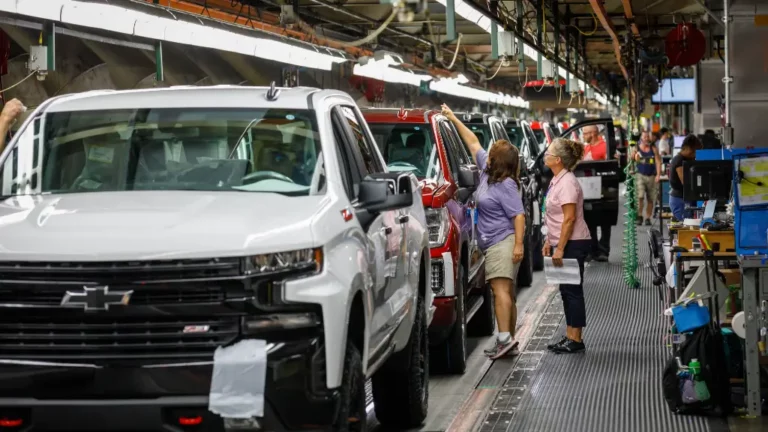
Legacy automakers, including General Motors and Ford, benefit from the rollback, saving billions by purchasing fewer credits. GM has spent at least $3.5 billion since 2022, while Ford purchased approximately $4.3 billion in credits last year to maintain compliance.
NHTSA has not provided a timeline for completing the CAFE reconsideration, leaving EV makers uncertain about when the revenue stream will resume. Analysts say the pause illustrates how policy changes under the Trump administration are beginning to affect the financial outlook for the electric-vehicle industry.