On the Dash:
- Tesla is broadening its autonomous vehicle testing to New York City, indicating potential growth for its autonomous taxi services in major urban areas.
- The expansion of its robotaxi service is viewed as a long-term growth driver, though regulatory hurdles, such as the need for a safety operator in NY, remain a key factor.
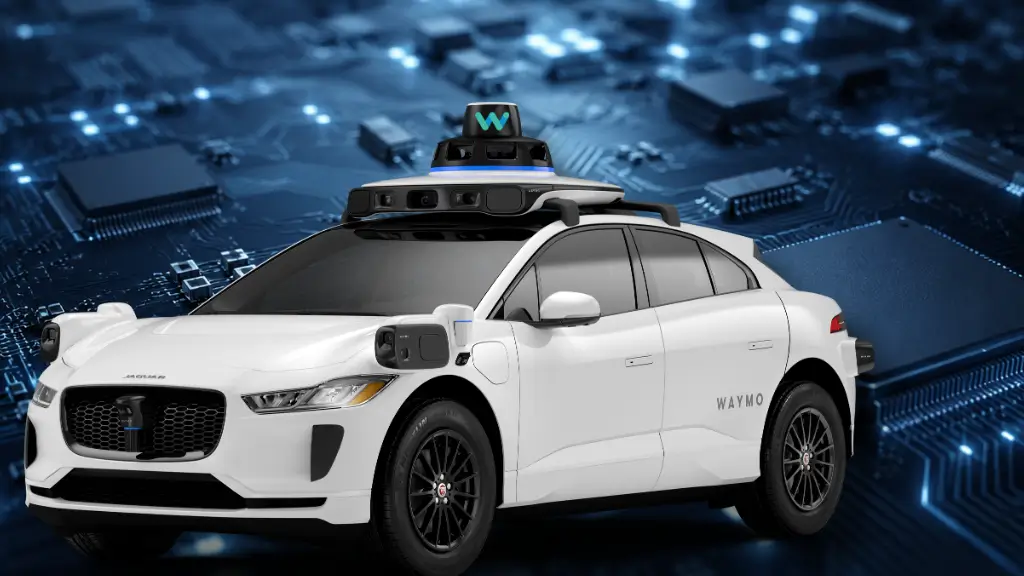
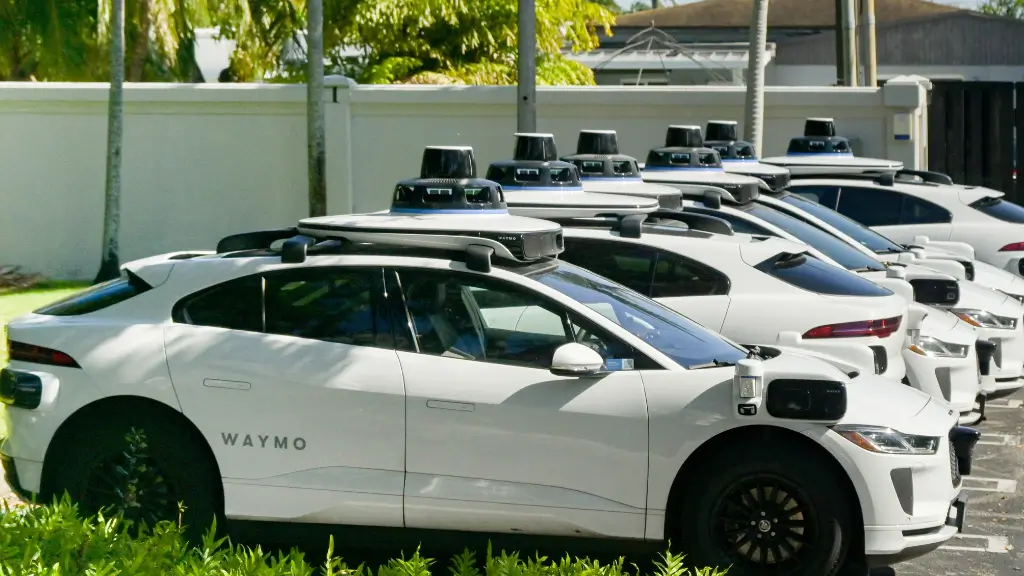
- Competition from companies like Waymo is increasing, emphasizing the intensifying race in autonomous ride-hailing, which could impact future dealer sales, service opportunities, and partnerships.
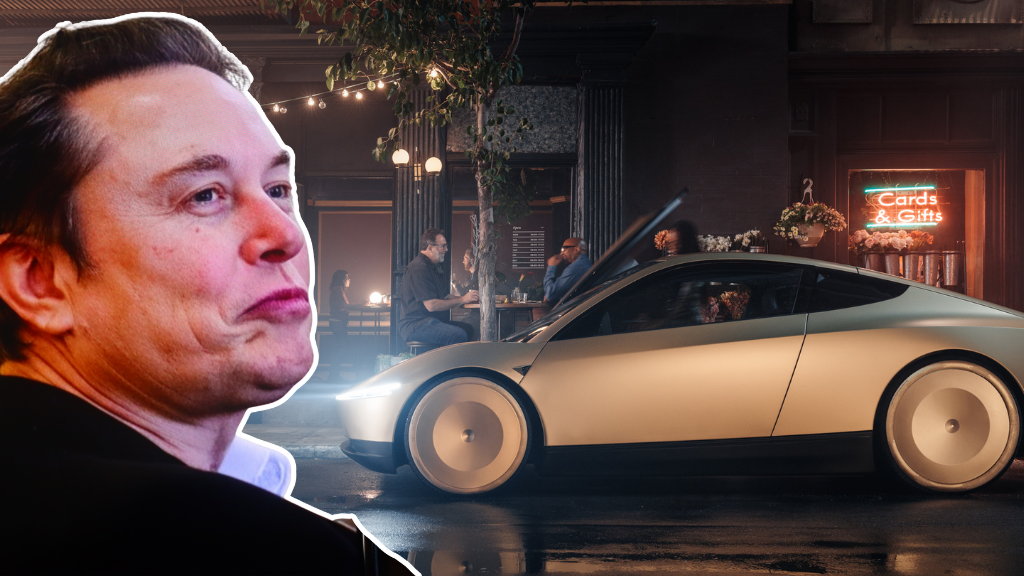
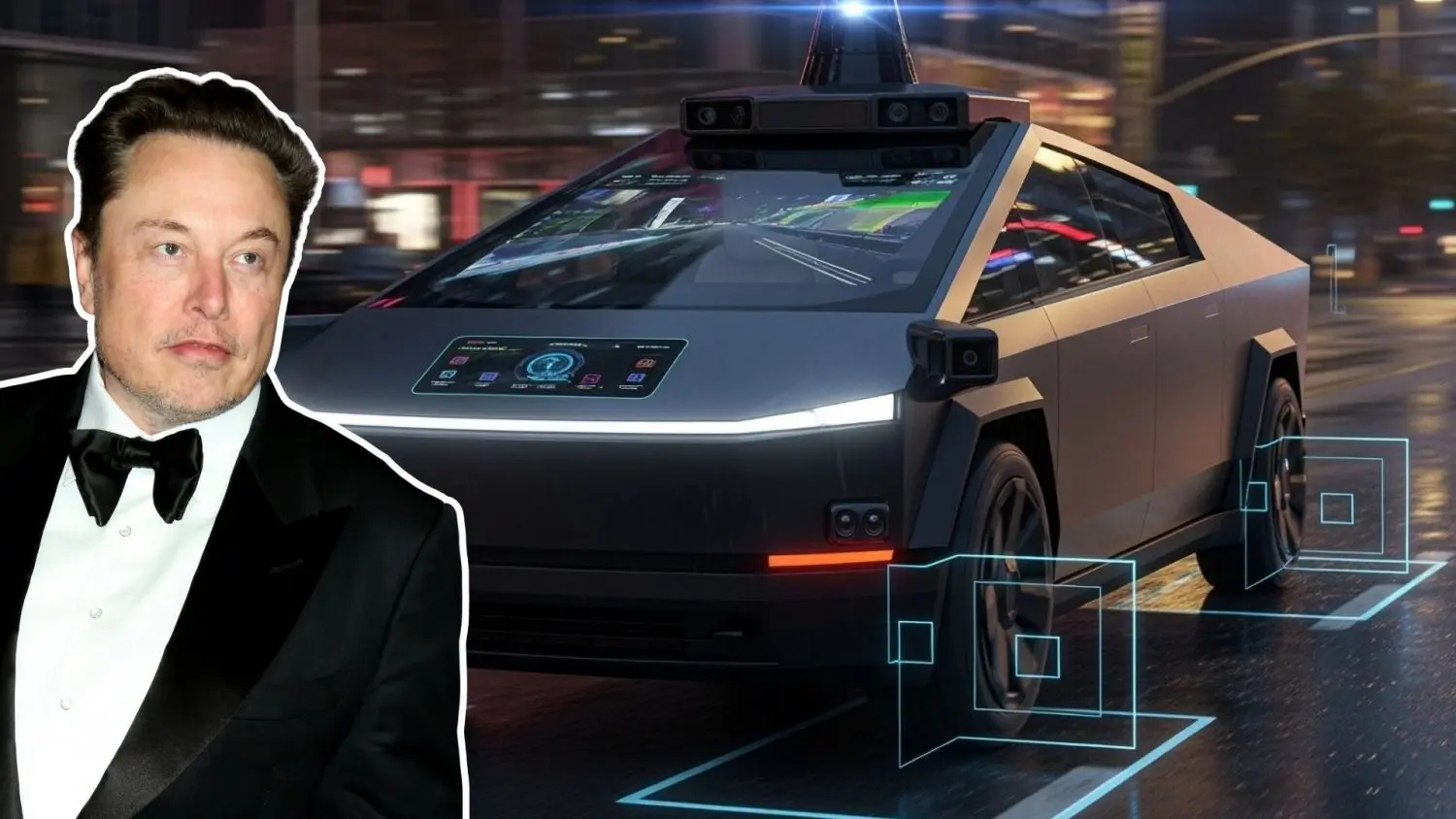
Tesla is signaling a possible move into New York City’s ride-hailing market by hiring a driver to test its autonomous technology on local streets.
The company posted a job listing in its Autopilot operations division seeking a full-time driver for a prototype vehicle based in Queens. The role involves collecting data for up to eight hours a day, requires familiarity with autonomous driving systems, and offers pay exceeding $30 an hour. Data collection is a typical first step toward launching driverless ride-hailing services.
The company is working to expand its driverless-taxi operations beyond the limited launch in Austin in June. It has already begun ride-hailing operations in San Francisco with human safety monitors and has signaled plans to move into Nevada and Arizona.
Tesla CEO Elon Musk is betting heavily on autonomous technology and artificial intelligence (AI) as growth drivers amid slowing electric-vehicle sales. Investors are watching closely for signs of how quickly the robotaxi network could scale.
Tesla’s interest in New York follows similar moves by Waymo, Alphabet’s driverless-taxi unit, which last month began collecting data in the city with manually driven vehicles. Both companies face a regulatory environment that requires a safety operator to be present in the car under New York state law.