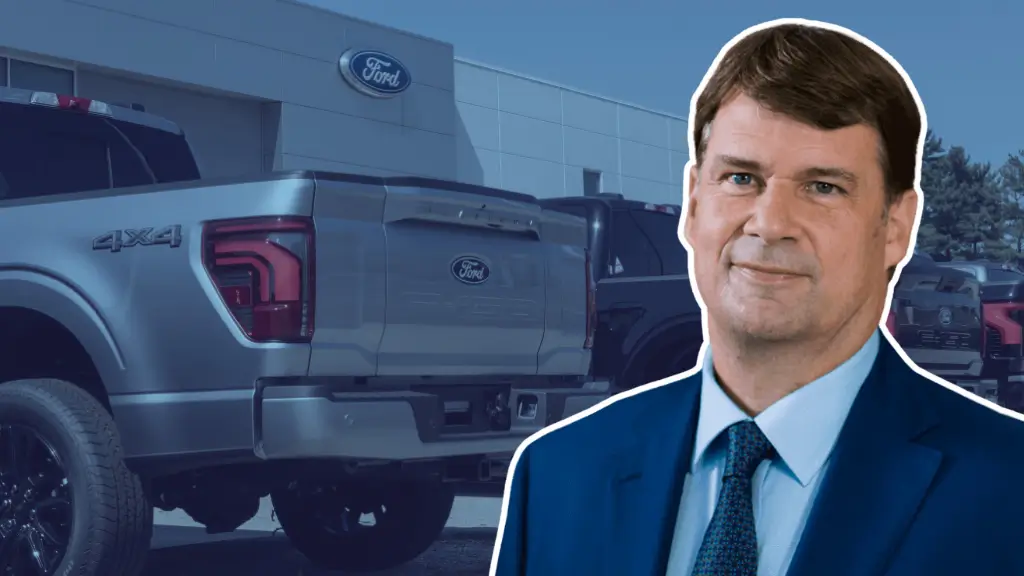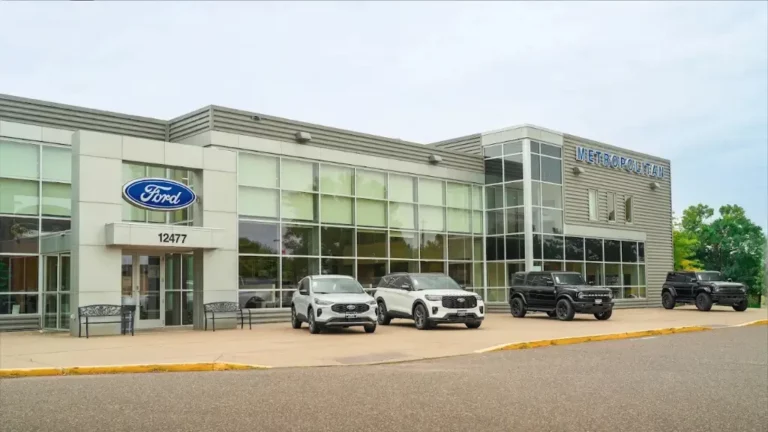

Ford is recalling 312,120 vehicles in the United States due to a defect in the electronic brake booster that could result in longer stopping distances and a higher risk of crashes. Announced on Friday, the National Highway Traffic Safety Administration (NHTSA) reported that the issue affects certain 2025 models of the Lincoln Navigator, F-150, Expedition, Bronco, and Ranger.
Notably, the problem stems from a potential failure in the Electronic Brake Booster (EBB) module, which may occur while driving or when using the vehicle’s Advanced Driver Assistance System (ADAS). The Detroit automaker plans to address the issue by providing a free software update, available either over-the-air or at dealerships.
Here’s why it matters:
Dealers may need to monitor recall activity closely as it directly impacts customer trust, dealership service volume, and parts demand. High-profile recalls like this one can lead to increased service appointments, affect used vehicle resale values, and influence how consumers view the reliability of new models. Offering fast, transparent support during a recall is critical for retaining customer loyalty and protecting the brand image at the retail level.
Key takeaways:
- Scope of recall
Ford is recalling 312,120 vehicles in the U.S., impacting key 2025 models including the F-150, Ranger, Bronco, Expedition, and Lincoln Navigator. - Safety risk identified
The recall addresses a failure in the Electronic Brake Booster (EBB), which may disable power brake assist and increase stopping distances, especially when ADAS is in use. - Models impacted
Only certain 2025 model-year vehicles are affected, making it crucial for dealers to check VINs and ensure accuracy in recall notifications. - Remedy offered
Ford will provide a free software update to fix the issue. This can be completed remotely over-the-air or at a dealership, helping streamline the service process. - Dealer implications
Service departments should prepare for increased customer visits and leverage this opportunity to reinforce service retention strategies and educate customers on ADAS reliability.