As President-elect Donald Trump prepares for his return to office, the automotive industry is bracing for potential shifts in U.S. policy regarding semiconductor sourcing.
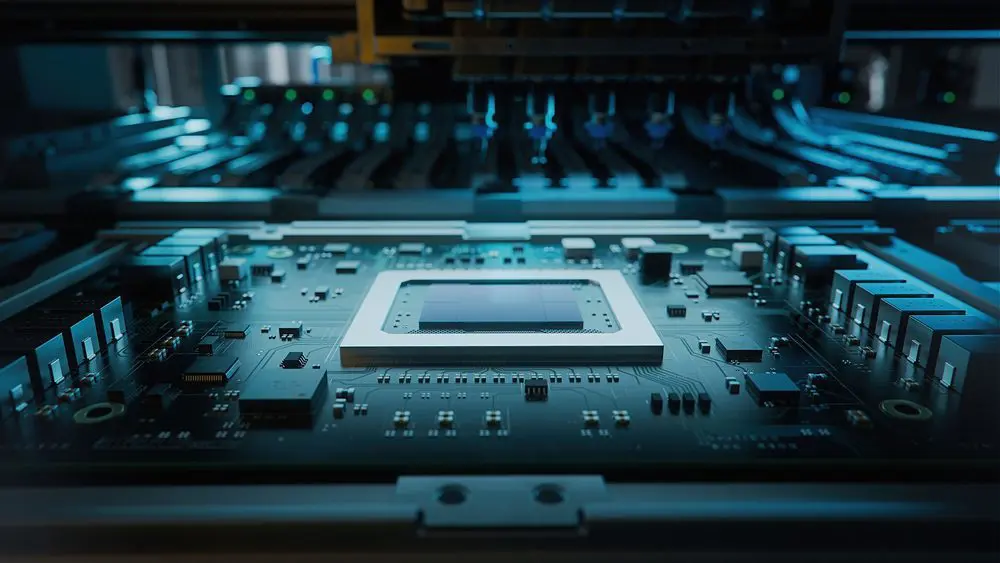
The auto sector, in particular, faces challenges stemming from geopolitical tensions and an ongoing need for diversified chip suppliers, mainly as competition heats up between Taiwan and China.
Trump, a vocal critic of the CHIPS and Science Act of 2022, has signaled a shift in policy that could impact the future of semiconductor manufacturing in the U.S., including its implications for the auto industry.
The CHIPS Act, a bipartisan initiative passed in 2022, has spurred domestic investments in semiconductor manufacturing. Notably, Taiwan Semiconductor Manufacturing Co. (TSMC) received a $6.6 billion federal grant in November to build three plants in Arizona as part of the initiative. However, during an October 26 appearance on The Joe Rogan Experience, Trump expressed his disapproval of the law, calling it a waste of taxpayer dollars that benefits “rich companies.” Instead, he suggested that the U.S. could impose high tariffs on imported chips, which he believes could incentivize companies to build factories within the U.S.
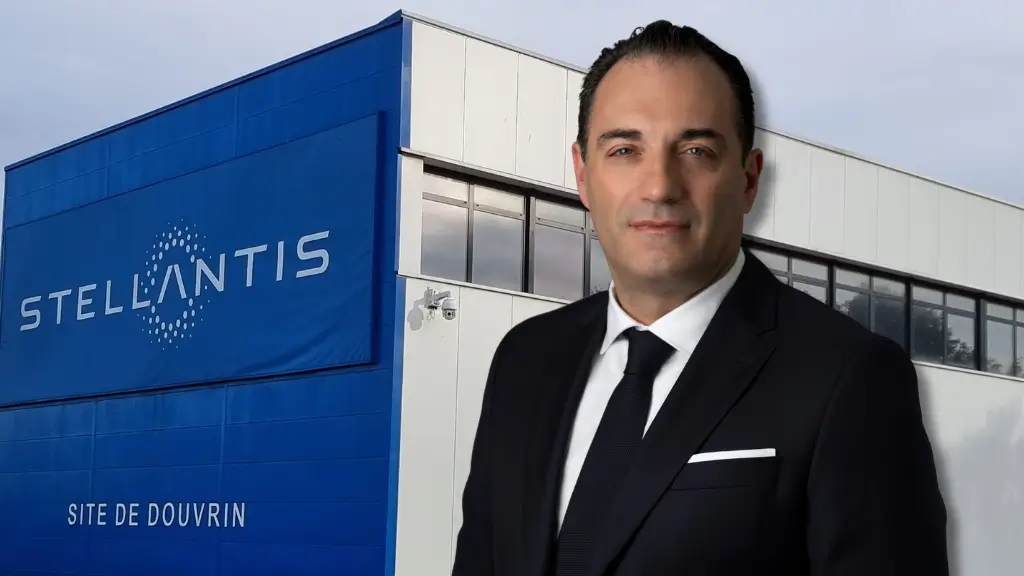
Despite Trump’s proposed tariff strategy, the reality of reshoring semiconductor production is more complex, according to Sam Fiorani, vice president of global vehicle forecasting at AutoForecast Solutions.
Developing semiconductor manufacturing plants requires billions of dollars and a considerable amount of time, which does not provide immediate solutions for industries like automotive that heavily depend on these components. Fiorani noted that semiconductor production is more complex than standard vehicle parts, and the required infrastructure, such as water access, complicates the process further.
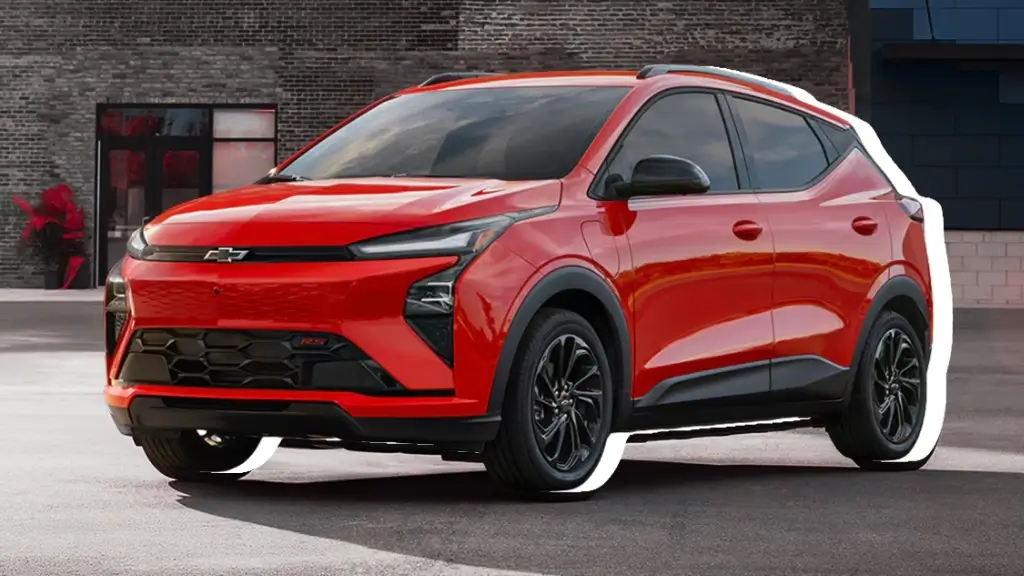
The semiconductor shortage that plagued the automotive industry between 2021 and 2023 underscored the vulnerability of the global supply chain. During this period, automakers were forced to cut millions of vehicles from production due to shortages of key microchips, exposing the risks associated with over-reliance on specific regions, particularly Asia. While the U.S. seeks to diversify its semiconductor sources, a growing concern revolves around China’s increasing influence on semiconductor production. As of 2022, China accounted for approximately 24% of the global semiconductor market, a significant rise from just 12% in 2015.
Further, Taiwan remains a critical supplier for the auto industry, particularly for advanced “logic chips,” which process data and execute software. In 2021, Taiwan produced 44% of global logic chips used in industries like automotive. Any disruption in Taiwan’s semiconductor production, whether due to geopolitical conflict or natural disasters, could have severe consequences for global supply chains, driving up costs by as much as 59%, according to the U.S. International Trade Commission.
Geopolitical tensions between China and Taiwan continue to loom over the semiconductor supply chain. Trump has previously threatened to impose tariffs up to 200% on Chinese imports if China were to blockade Taiwan, further escalating the potential for a supply disruption. As the auto industry continues to recover from the pandemic-era chip shortage, concerns about potential instability in semiconductor sourcing are growing. Fiorani noted that the industry is not well-prepared to address any sudden disruption in chip supply from Taiwan. Even the planned semiconductor plants in the U.S. will take years to meet the rising demand.
As Trump prepares for a potential return to office, it’s uncertain how his proposed tariff strategy and semiconductor policies will develop. The automotive industry will need to monitor these changes closely.