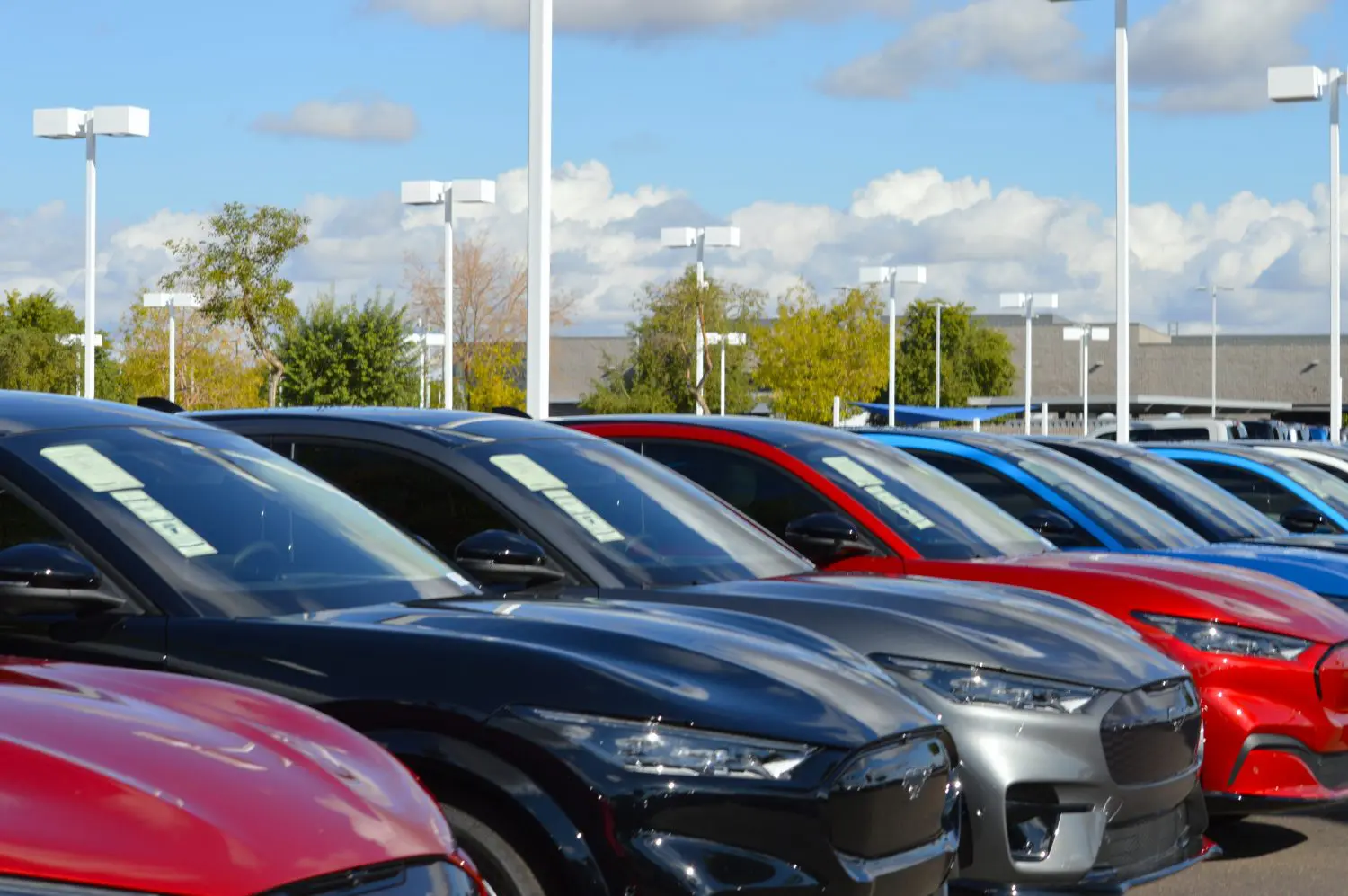
The wholesale used vehicle market experienced a notable decline in the first half of July. This trend has substantial implications for dealers and consumers alike, making it essential to understand the factors driving these changes and what they mean for the retail automotive industry.
Recent data highlights a clear downward trend in wholesale used vehicle prices. According to the Manheim Used Vehicle Value Index, prices fell 2.3% in early July. Other sites tracking used vehicle prices reported similar results.
Several factors contribute to this decline.
Economic conditions are significant, as inflationary pressures and higher interest rates affect consumer purchasing power. With less disposable income, consumers show more caution, reducing demand for used vehicles. Seasonal factors also contribute, with summer often causing a dip in vehicle sales as people prioritize vacations and other expenses over purchasing used cars.
Inventory levels further complicate the market. Over the past few months, dealers have increased their inventory, leading to higher supply than demand and, naturally, driving prices down.
The current economic uncertainty makes consumers hesitant to make large purchases, directly impacting used vehicle sales. Also, the increase in new vehicle production has slowly started to balance the market, reducing the extraordinary demand for used cars that we saw over the past couple of years.
Dealers feel the impact of these declining prices in several ways. With lower wholesale prices, they can potentially acquire inventory at a reduced cost. However, this also means adjusting their pricing strategies to remain competitive while maintaining profitability. Some dealers will likely use this opportunity to refresh their stock, focusing on popular models that attract buyers even during economic downturns.
For consumers, the price decline presents both opportunities and challenges. On the positive side, lower wholesale prices can translate into better buyer deals. Those looking for a used vehicle might find more attractive pricing and financing options than even a short time ago. However, lower used car prices reduce trade-in values, which may keep shoppers from purchasing another vehicle.
Regional variations also play a role in this trend. Different areas of the U.S. experience varying impacts based on local economic conditions and market dynamics. For example, regions with robust economic growth may see less dramatic price declines, while areas facing economic hardships might experience more significant drops.
Looking ahead, industry analysts offer mixed predictions. The Edmunds Industry Forecast suggests that if economic conditions stabilize, prices could gradually recover by the end of the year.
However, continued economic uncertainty might prolong the downward trend, making it crucial for dealers and consumers to stay informed and adaptable.
In conclusion, the decline in wholesale used vehicle prices in the first half of July reflects broader economic trends and market dynamics. Dealers must adjust their strategies to navigate this changing landscape, while consumers can find opportunities in the current market conditions. By staying informed and responsive to these trends, industry players and buyers can make the most of the evolving market.