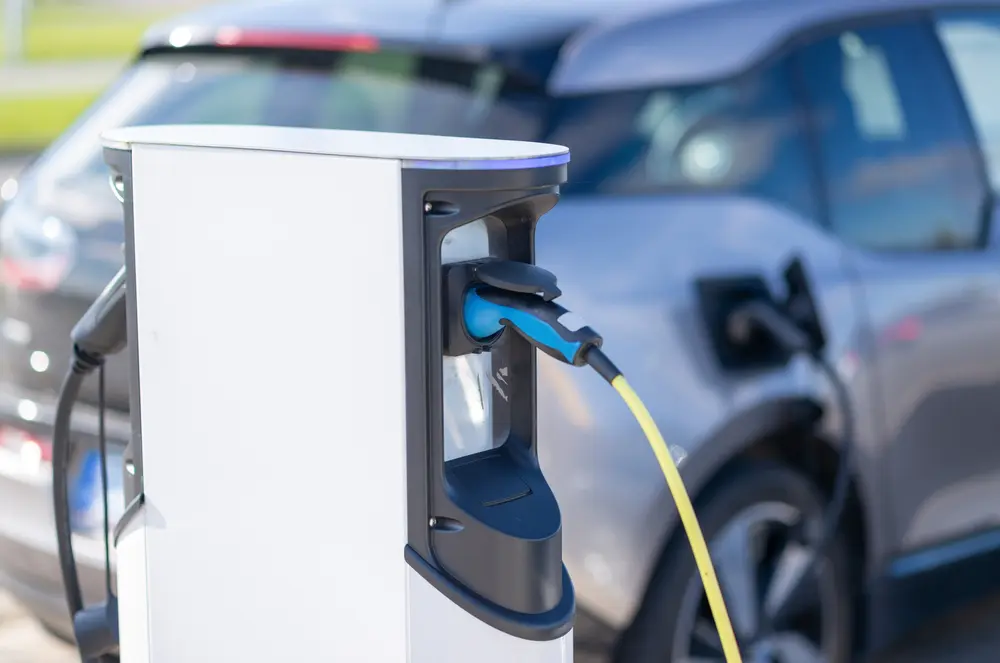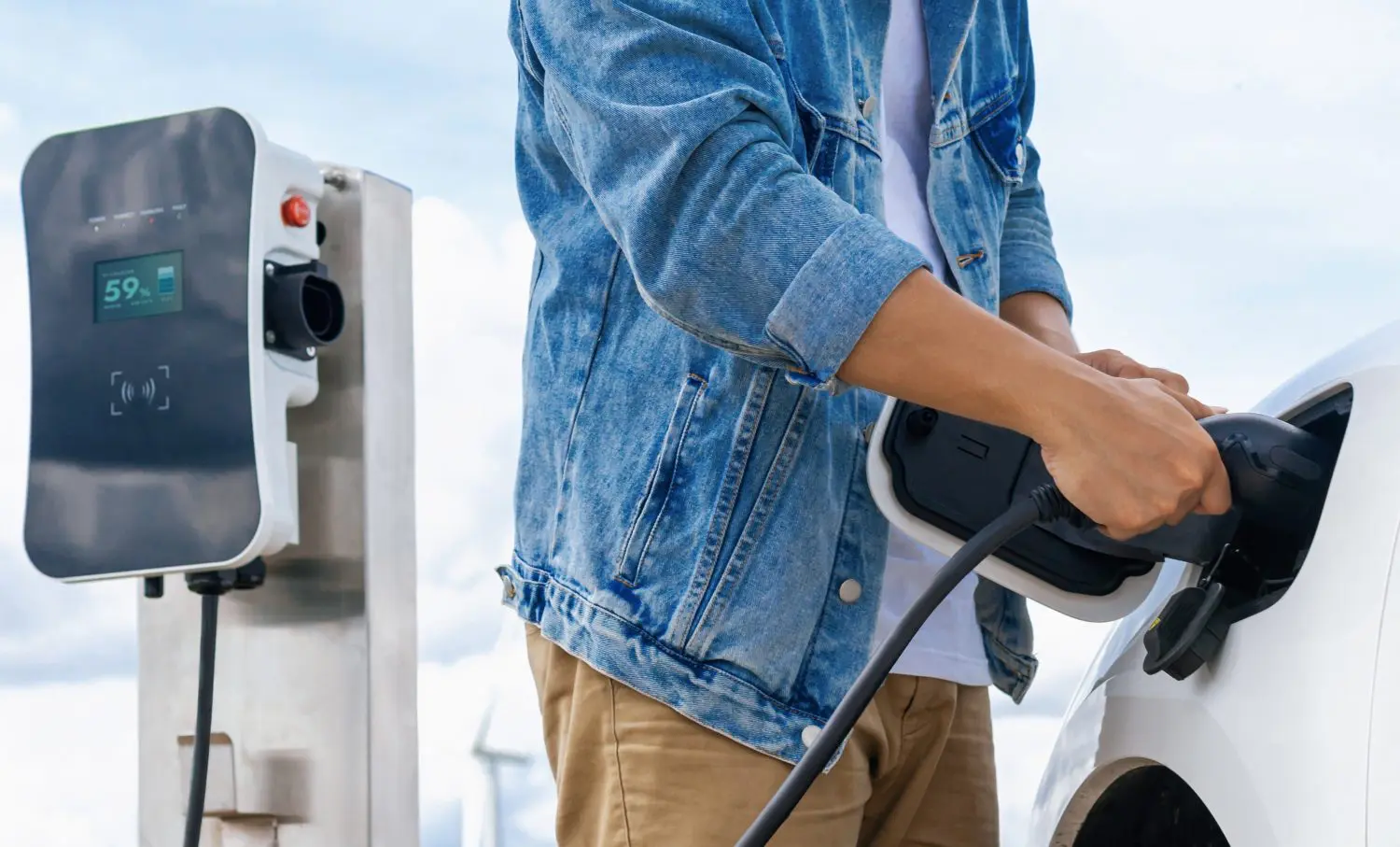
EV range anxiety gets a lot of attention. In short, it is the fear that an electric car will run out of charge before reaching a place to recharge. While EV ranges have been improving every year – 2021 models average a range of 217 miles – it’s still less than the median range of 413 miles for gas vehicles.
The truth is that range anxiety dissipates once someone drives an EV regularly.

Part of the reason that range anxiety decreases with exposure to electric cars is that people realize that they tend to drive fewer miles than they expected. Aided by home charging, and waking up each morning with a “full tank,” they rarely feel the nervous pang that comes from a range estimate that drops into the lower two digits.
After driving an EV, most people think about running out of charge just about as often as they think about running out of gas: very rarely.

This study found that Americans drive fewer than 45 miles per day on average. Even in urban areas, where commutes are longer, or rural communities where routine trips can be longer, people are using only 8-16% of their EV’s range.
That’s certainly the case for me in the Midwest, where it’s not uncommon for me to drive 50 miles running errands at an average speed of, say, 50 mph. I’m traveling farther than my EV-driving peers in denser metros, but I’m still only using about 17% of my available range (if I had charged to 100%).
The real world driving data means that even with cold weather, which can sap range by up to 30% in the winter months, an EV will meet most drivers’ needs with room to spare. It also means that highway cruising, which is less efficient than city driving, is not a reason for concern. Note that experts recommend capping daily charge sessions at 80% of available charge to preserve battery life, but drivers with high daily mileage can easily push it to 90% or even 100% if they don’t let their batteries sit with a full charge.
Let’s look at some worst case numbers.
Say you have an EV with a range of 200 miles per charge, which is pretty low for a modern car. If you cap your charging at 80% state of charge for daily driving, that gives you 160 miles of range. If it’s the dead of winter, that may drop to 112 miles, assuming that you can’t pre-warm your car while it’s plugged in, and that you don’t have a heat pump to help curtail HVAC losses.
A driving range of 112 miles is still more than double most people’s daily commute, even in the most severe driving conditions.
Recurrent looked at data on how often real drivers let their range drop into the danger zone. In the 10,000 Teslas in the Recurrent owner community, we’ve only observed a SoC under 1% in less than .05% observations. We’ve only observed a SoC under 10% in only 0.46% of our 30+ million observations.

The takeaway? EV drivers are not getting stranded. It’s something that most owners realize after a short time behind the wheel, which is why range anxiety drops with experience.