
TSLA358.8063.9958%
GM77.2300.23%
F12.024-0.0365%
RIVN14.680-0.2604%
CYD31.7250.695%
HMC31.6050.005%
TM183.060-0.04%
CVNA59.690-2.85%
PAG200.8200.48%
LAD293.2301.4%
AN160.5153.075%
GPI244.6554.215%
ABG172.7250.425%
SAH61.0900.74%
TSLA358.8063.9958%
GM77.2300.23%
F12.024-0.0365%
RIVN14.680-0.2604%
CYD31.7250.695%
HMC31.6050.005%
TM183.060-0.04%
CVNA59.690-2.85%
PAG200.8200.48%
LAD293.2301.4%
AN160.5153.075%
GPI244.6554.215%
ABG172.7250.425%
SAH61.0900.74%
TSLA358.8063.9958%
GM77.2300.23%
F12.024-0.0365%
RIVN14.680-0.2604%
CYD31.7250.695%
HMC31.6050.005%
TM183.060-0.04%
CVNA59.690-2.85%
PAG200.8200.48%
LAD293.2301.4%
AN160.5153.075%
GPI244.6554.215%
ABG172.7250.425%
SAH61.0900.74%

Sleepy drivers linked to 30,000 traffic deaths over 4 years — AAA

Drowsiness affects drivers in a variety of ways:
According to recent data from the AAA Foundation for Traffic Safety, sleepy drivers were involved in roughly 18% of traffic deaths

According to recent data from the AAA Foundation for Traffic Safety, sleepy drivers were involved in roughly 30,000 traffic deaths nationally between 2017 and 2021, or about 18% of all traffic deaths. This is ten times larger than the total in traditional crash statistics.

In 2021 alone, sleepy drivers caused the loss of approximately 6,725 lives.

Due to the Daylight Savings Time change that takes effect this Sunday, March 10, at 2 a.m., more people may drive while sleep-deprived because of the darker mornings.

Drivers who don’t get enough sleep are often responsible for underreported accidents. According to the NHTSA, traffic safety, sleep research, and public health organizations underestimate the impact of drowsy driving. The most recent AAA Traffic Safety Culture Index finds that 95% of drivers view driving when they have a hard time keeping their eyes open as very or extremely dangerous, but 18% reported doing so in the previous 30 days before the survey.

Drowsiness affects drivers in a variety of ways:

Reduced alertness makes it difficult to respond promptly to risks. A driver’s risk of an accident increases by just one hour when they sleep less than the minimum of seven hours suggested by experts.

AAA offers valuable advice for drivers to stay safe on the road: They recommend getting enough sleep before driving, aiming for at least seven hours per night, and traveling during times when you’re typically awake. It’s crucial to take breaks every two hours or 100 miles, stretching your legs and getting fresh air to combat fatigue. Additionally, avoiding heavy meals before driving and refraining from alcohol and drugs can help maintain alertness. Listening to your body’s signals is key—if you feel tired, pull over for a break. Sharing driving duties with an alert passenger can also help you stay awake. And if you need a quick pick-me-up, don’t underestimate the power of a 20- to 30-minute nap to improve alertness.

Further Reading
More from Articles
DriveCentric introduces Acquire Agent For real-time vehicle acquisition

DriveCentric introduces Acquire Agent For real-time vehicle acquisition

- October 1, 2026
ST. LOUIS, Oct. 1, 2026/PRNewswire/ -- DriveCentric, the dealer industry's leading AI Engagement Platform, today announced Acquire Agent, the latest addition to its growing portfolio of native AI Agents. Acquire...
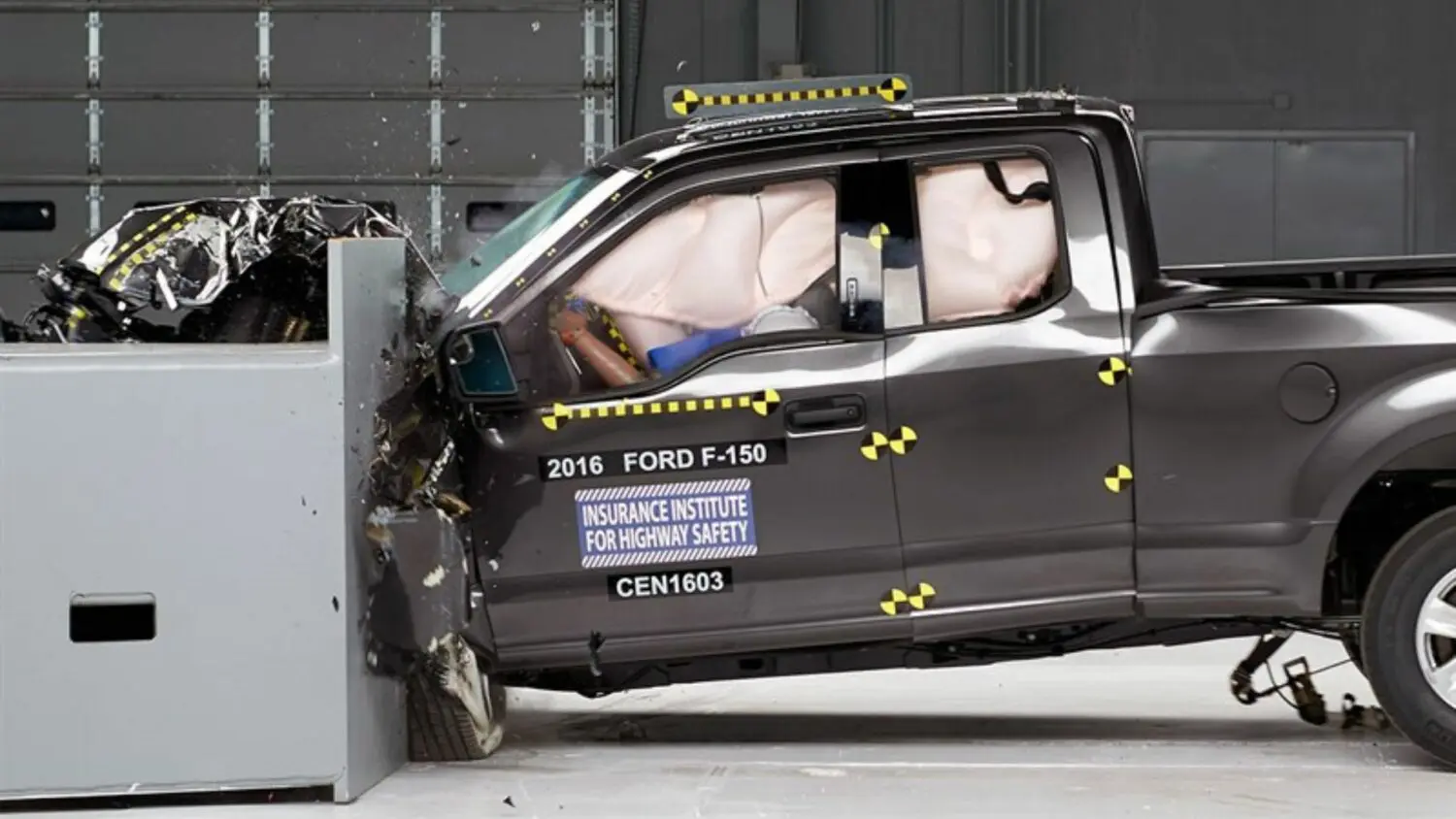
Ford’s Farley says F-150 supplier issues are fixed, sounds alarm on trades training

Ford’s Farley says F-150 supplier issues are fixed, sounds alarm on trades training

- October 1, 2026
On the Dash: Farley said the F-150 supplier issue is fixed but will reduce third-quarter wholesale shipments.  Dealers held about 40 days of pickup supply, below Ford's 50- to 60-day...
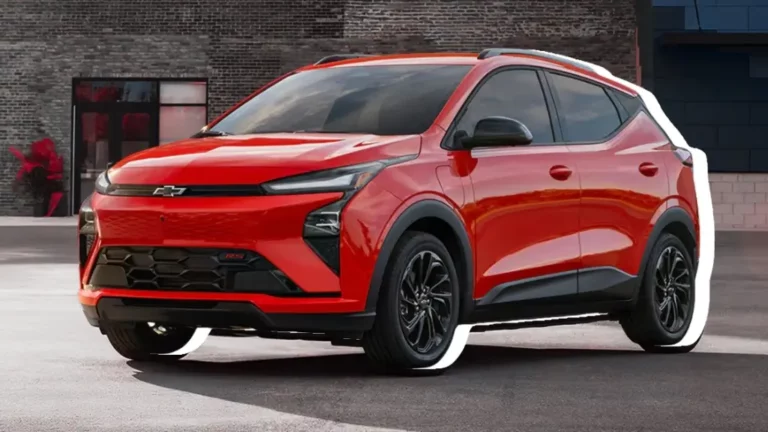
Chevy Bolt production target reportedly cut to 35,000 units

Chevy Bolt production target reportedly cut to 35,000 units

- October 1, 2026
On the Dash: UAW documents reportedly show GM targeting 35,000 revived Bolts, down sharply from the 150,000 units the Fairfax plant could potentially produce. The 2027 Bolt returns with updated...
Filosa says Stellantis turnaround plan will pay off by 2027

Filosa says Stellantis turnaround plan will pay off by 2027

- October 1, 2026
On the Dash: Stellantis is holding its 2026 guidance, with positive industrial free cash flow expected in 2027. Industrial free cash flow targets reach 3 billion euros in 2028 and...
CBT News
Privacy Overview

This website uses cookies so that we can provide you with the best user experience possible. Cookie information is stored in your browser and performs functions such as recognising you when you return to our website and helping our team to understand which sections of the website you find most interesting and useful.