Federal officials are sounding the alarm on China’s rapidly growing electric vehicle market, sharing doubts that the domestic automotive industry is prepared for overseas competition and even expressing concerns over consumer privacy.
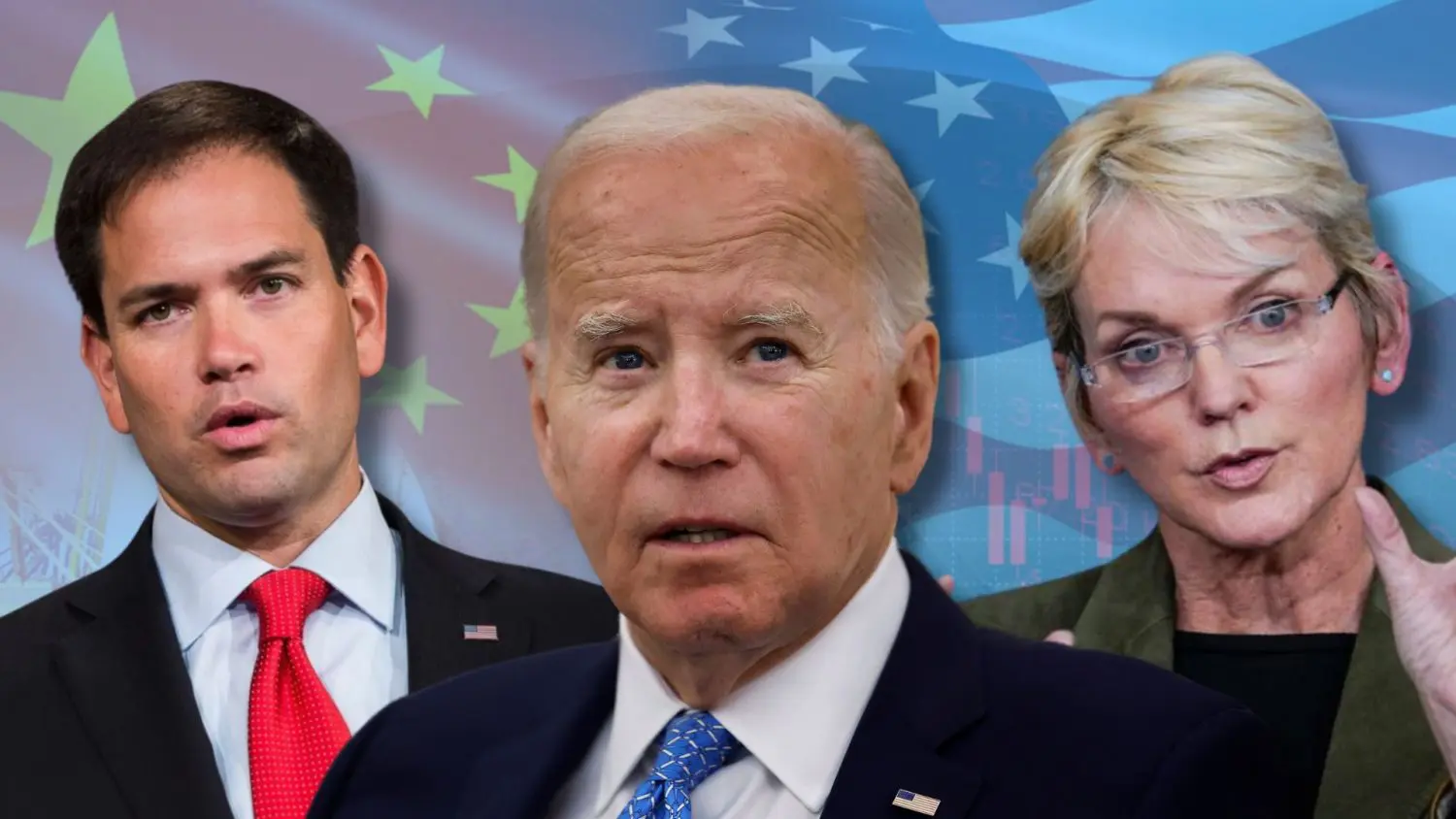
Last week, the Biden Administration launched an investigation into the Chinese car industry focused on internet-connected and electric vehicles. According to the President, the purpose of the probe is to identify whether such cars could pose a threat to American drivers’ data and whether the U.S. automaker sector could handle a surge in overseas supply. “China is determined to dominate the future of the auto market, including by using unfair practices,” stated Biden. “China’s policies could flood our market with its vehicles, posing risks to our national security.”
While some, including a representative from the Chinese Foreign Ministry, scoffed at the President’s concerns, the effort to eliminate foreign interference in the U.S. automotive sector appears to have bipartisan support. Earlier this week, Republican Senator Marco Rubio called on Congress to implement aggressive tariffs on Chinese cars, ones that would apply to vehicles whether they were built in China itself or at China-owned factories in countries such as Mexico. Countering imports through tariffs would “safeguard American automakers and workers against the influx of artificially cheap vehicles from China,” Rubio commented before urging lawmakers “to prevent the Chinese Communist Party from entering the American auto market before it is too late.”
U.S. Energy Secretary Jennifer Granholm has also echoed the President’s and Senator’s concerns. Speaking at an Axios panel this Wednesday, Granholm reiterated that China’s electric vehicle industry may pose a threat to both the U.S. economy and its national security. “We are very concerned about China bigfooting our industry in the U.S….” she remarked. “China is investing massive amounts for the purpose of bigfooting, so we need to understand that it is important for people to buy EVs in an affordable fashion, but we can do that and we can keep our country safe.”
The fear that cheap Chinese-produced electric vehicles could overwhelm the U.S. is not new and, to an extent, has precedent in other industries, most notably the solar panel sector. As Granholm went on to note during the Wednesday panel, the solar industry got its start in the U.S. but was nearly decimated by cheap imports from China. Europe today is facing a similar situation, where local producers are struggling to compete with overseas supply.
Both President Biden and Senator Rubio have previously pursued efforts to block Chinese automakers from entering the North American market. The White House’s electric vehicle tax credits passed within the Inflation Reduction Act exclude models built with a high percentage of foreign parts. According to the legislation, the maximum allowance of non-domestic components within an electrified model will continue to drop over the next decade, forcing the U.S. automotive sector to gradually reduce its reliance on cheap and potentially forced Chinese labor.
One year ago, Rubio similarly ramped up efforts to block a partnership between Ford and China’s CATL, which would have licensed the foreign manufacturer’s battery technology for use in the American automaker’s new factory. Although Ford denied that the agreement gave its business partner any control, Rubio and fellow lawmakers succeeded in launching an investigation into their relationship. The car manufacturer has since reduced its plans to scale the factory, although it attributed its decision to disappointing electric vehicle sales rather than pressure from lawmakers.
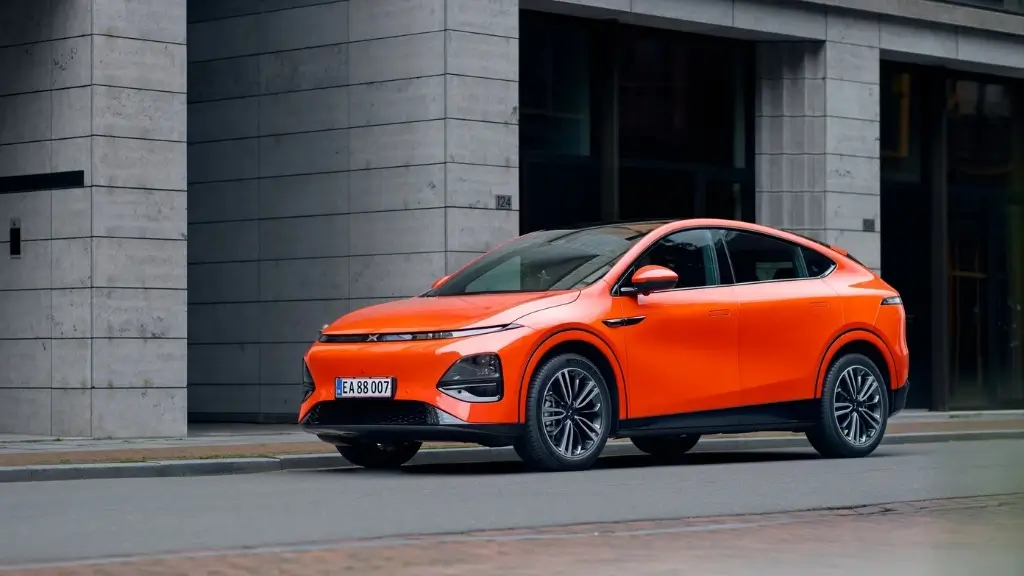
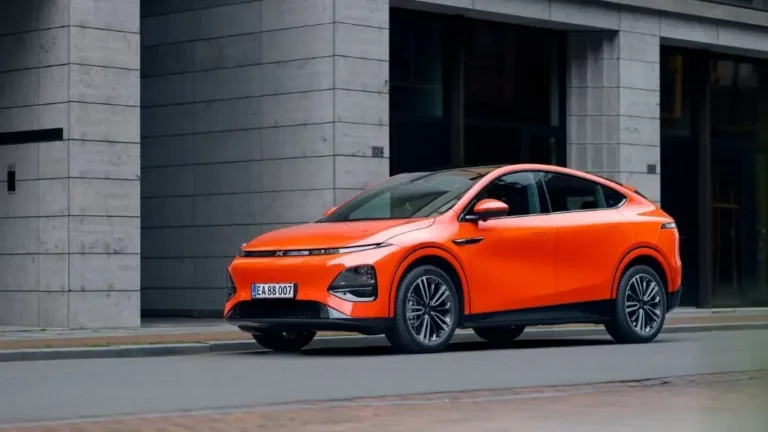
China’s electric vehicle sector is already outpacing the rest of the world’s. The country’s battery-powered car deliveries, including hybrids, rose 38% to 9.49 million units in 2023, much of which was driven by international demand. This meant that China alone accounted for about 60% of the global hybrid and electric vehicle market’s approximate sales total of 14 million units.