TSLA372.800-3.22%
GM76.620-2.32%
F12.260-0.14%
RIVN16.060-0.085%
CYD40.080-0.69%
HMC24.000-0.2%
TM191.260-1.72%
CVNA396.730-9.69%
PAG171.66010.11%
LAD291.00013.76%
AN205.6904.72%
GPI349.2104.51%
ABG201.3900.83%
SAH73.2600.87%
TSLA372.800-3.22%
GM76.620-2.32%
F12.260-0.14%
RIVN16.060-0.085%
CYD40.080-0.69%
HMC24.000-0.2%
TM191.260-1.72%
CVNA396.730-9.69%
PAG171.66010.11%
LAD291.00013.76%
AN205.6904.72%
GPI349.2104.51%
ABG201.3900.83%
SAH73.2600.87%
TSLA372.800-3.22%
GM76.620-2.32%
F12.260-0.14%
RIVN16.060-0.085%
CYD40.080-0.69%
HMC24.000-0.2%
TM191.260-1.72%
CVNA396.730-9.69%
PAG171.66010.11%
LAD291.00013.76%
AN205.6904.72%
GPI349.2104.51%
ABG201.3900.83%
SAH73.2600.87%

SAE’s charging standard is geared up to fix every EV charging issue

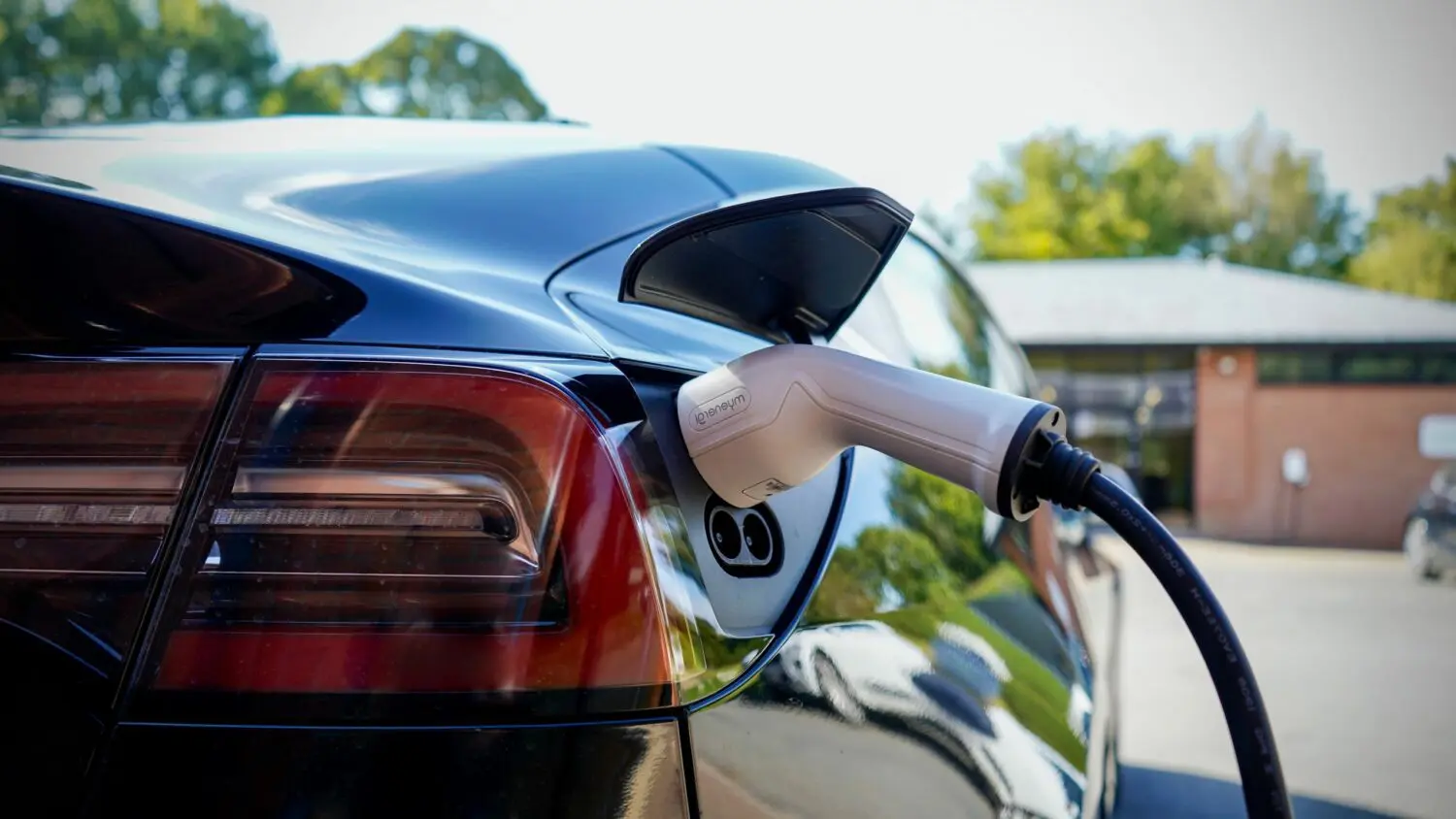
The new NACS standard utilizes a standardized connector identical to the one used in China and the European Union.
The SAE is committed to its NACS certification which is now prepared for use, which is aimed at solving several EV charging problems.

The Society of Automotive Engineers (SAE) has successfully fulfilled its goal to obtain NACS certification by year-end, making the NACS standard fully operational. This new standard is poised to efficiently tackle numerous charging issues.

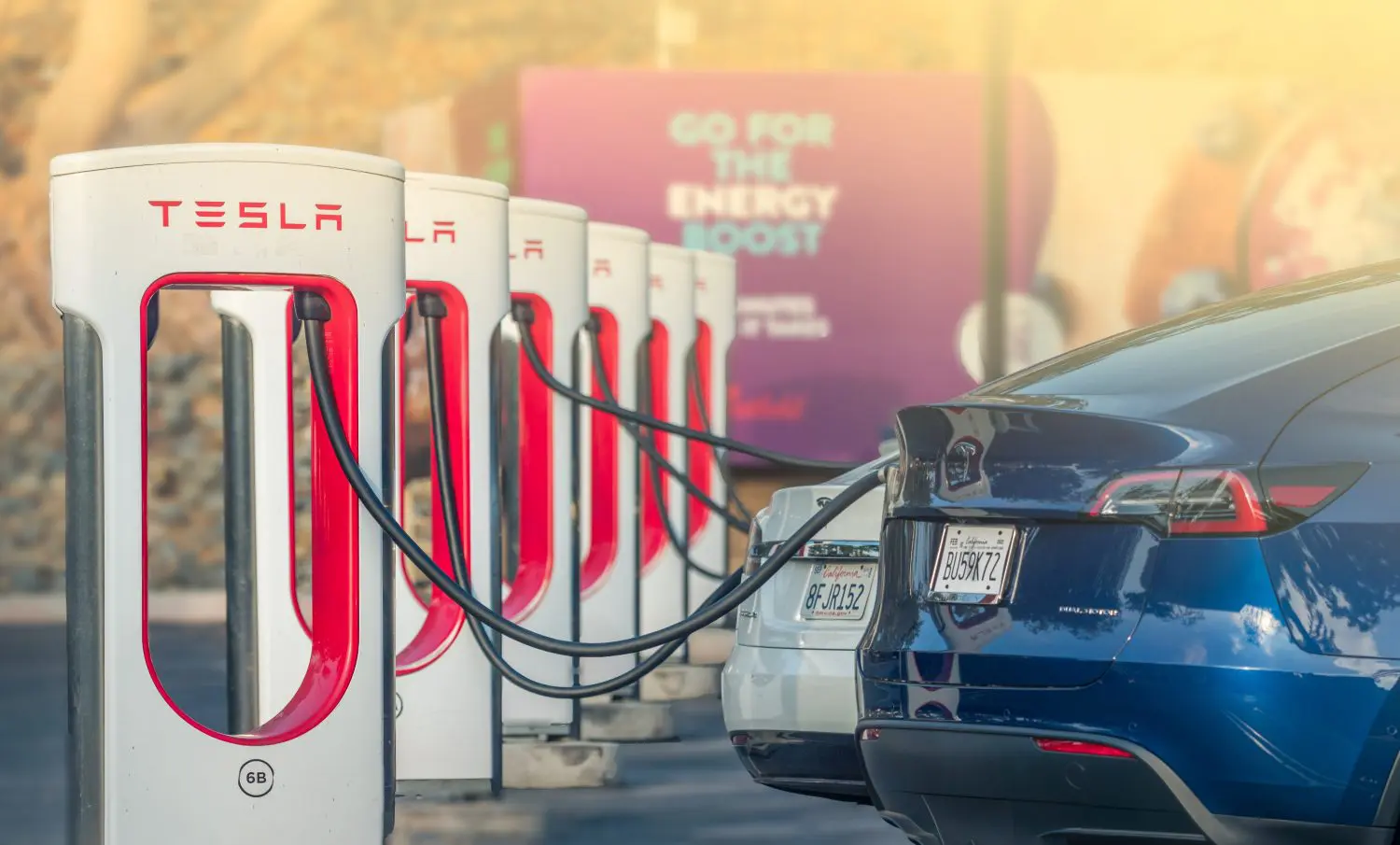
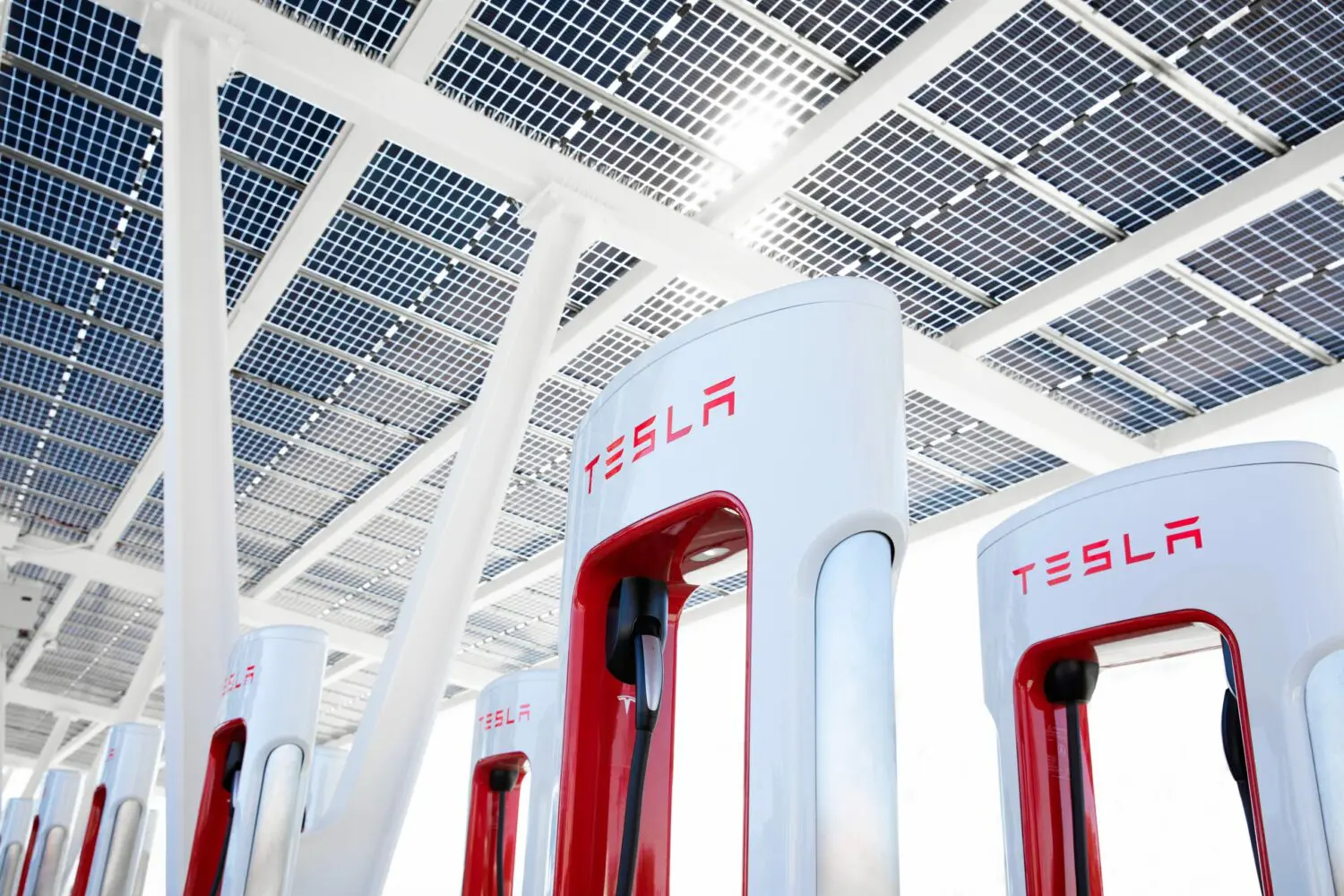
In November 2022, Austin-based EV maker Tesla released its charging connector’s “North American Charging Standard (NACS) specifications. Even though most American vehicles and DC charging stations currently use it, Tesla asserts that their connector serves as a de facto standard in the U.S. EV market.

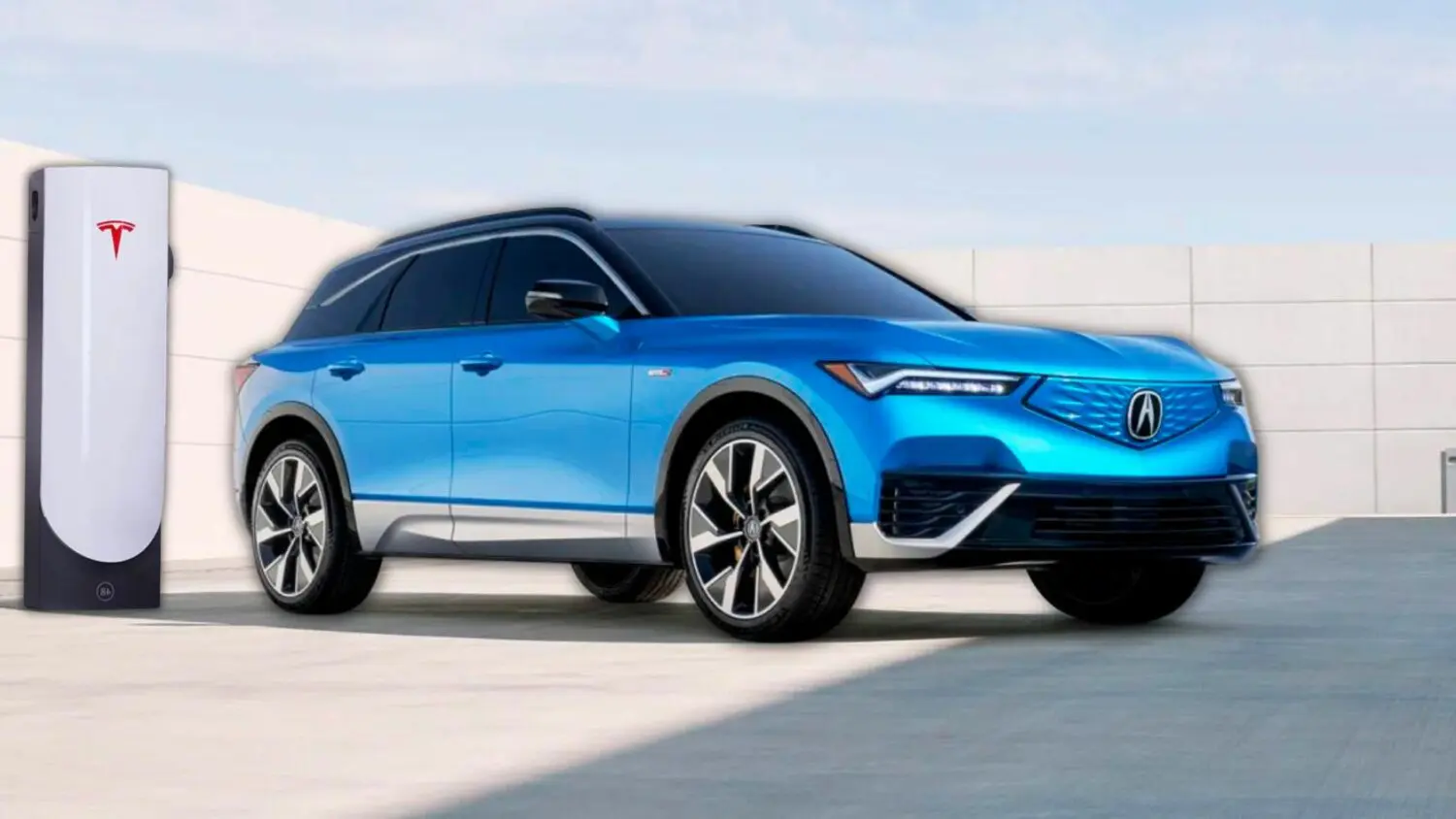
After Ford and GM decided to adopt the NACS plug for their upcoming vehicles, SAE stepped in to create an independent standard that is no longer controlled by Tesla. This was a significant move, as governments and companies would understandably be concerned with a single company having control over a standard everyone intends to use.

The NACS should, in particular, lower the cost of charging installation for commercial entities, which could result in easier and less expensive charging for businesses (including, possibly, large apartment buildings); improve the interoperability of charging between commercial and private vehicles; and open up new avenues for EV street charging.

The primary cause is that the standard maintains NACS’s 277-volt support instead of J1772’s 208–240-volt range. This minor adjustment triggers a series of advantages that should resolve many charge issues. It’s important to note that 277 V is one of the three phases of a 480 V supply, commonly used for commercial utility connections, especially those supporting DC chargers. As a result, there is no need for secondary step-down transformers for AC chargers, which makes EV charging installations more efficient and cost-effective.

The new NACS standard utilizes a standardized connector identical to the one used in China and the European Union. Electric vehicle drivers can keep this plug in their car and connect it using a carry-along cable that costs between $100 to $200. The plug features a locking mechanism, and assigning individual responsibility to each driver for their cable ensures easy maintenance in public areas where there would otherwise be a lack of ownership and accountability for preventing cable misuse.
Further Reading
More from Articles
Fed holds rates steady, squeezing used-car buyers

Fed holds rates steady, squeezing used-car buyers

- April 30, 2026
On the Dash: Used-car buyers face the greatest strain as high interest rates persist, with no incentives to offset costs. Rising gas prices disproportionately impact lower-income households, compounding affordability challenges. ...
Ford raises 2026 outlook after Q1 earnings beat expectations

Ford raises 2026 outlook after Q1 earnings beat expectations

- April 30, 2026
On the Dash: Ford beats Q1 expectations with strong pricing, mix and services growth. Tariff ruling delivers $1.3B benefit, helps offset rising aluminum costs. Company raises EBIT outlook while maintaining...
GM bets $830M on gas-powered trucks as rivals chase EVs

GM pours $830M into Midwest powertrain plants to support next-gen truck lineup

- April 30, 2026
On the Dash: GM allocates $830M to Michigan and Ohio plants to boost gas-powered truck and SUV production Total U.S. manufacturing investment surpasses $6B over the past year Funding targets...
Porsche CEO Michael Leiters

Porsche profit hits forecast despite deep decline in Q1 sales

- April 29, 2026
On the Dash: Porsche's Q1 profit fell 21.9% but still beat its own forecast. Cash flow more than doubled, a rare bright spot in a tough quarter. The Bugatti sale...
CBT News
Privacy Overview

This website uses cookies so that we can provide you with the best user experience possible. Cookie information is stored in your browser and performs functions such as recognising you when you return to our website and helping our team to understand which sections of the website you find most interesting and useful.