TSLA411.4705.04%
GM83.5402.04%
F15.0200.18%
RIVN16.585-0.175%
CYD50.9300.9%
HMC27.0450.605%
TM180.6405.69%
CVNA68.6554.555%
PAG183.7502.79%
LAD315.8652.485%
AN194.2552.725%
GPI330.6305.3%
ABG202.6803.15%
SAH85.1700.56%
TSLA411.4705.04%
GM83.5402.04%
F15.0200.18%
RIVN16.585-0.175%
CYD50.9300.9%
HMC27.0450.605%
TM180.6405.69%
CVNA68.6554.555%
PAG183.7502.79%
LAD315.8652.485%
AN194.2552.725%
GPI330.6305.3%
ABG202.6803.15%
SAH85.1700.56%
TSLA411.4705.04%
GM83.5402.04%
F15.0200.18%
RIVN16.585-0.175%
CYD50.9300.9%
HMC27.0450.605%
TM180.6405.69%
CVNA68.6554.555%
PAG183.7502.79%
LAD315.8652.485%
AN194.2552.725%
GPI330.6305.3%
ABG202.6803.15%
SAH85.1700.56%

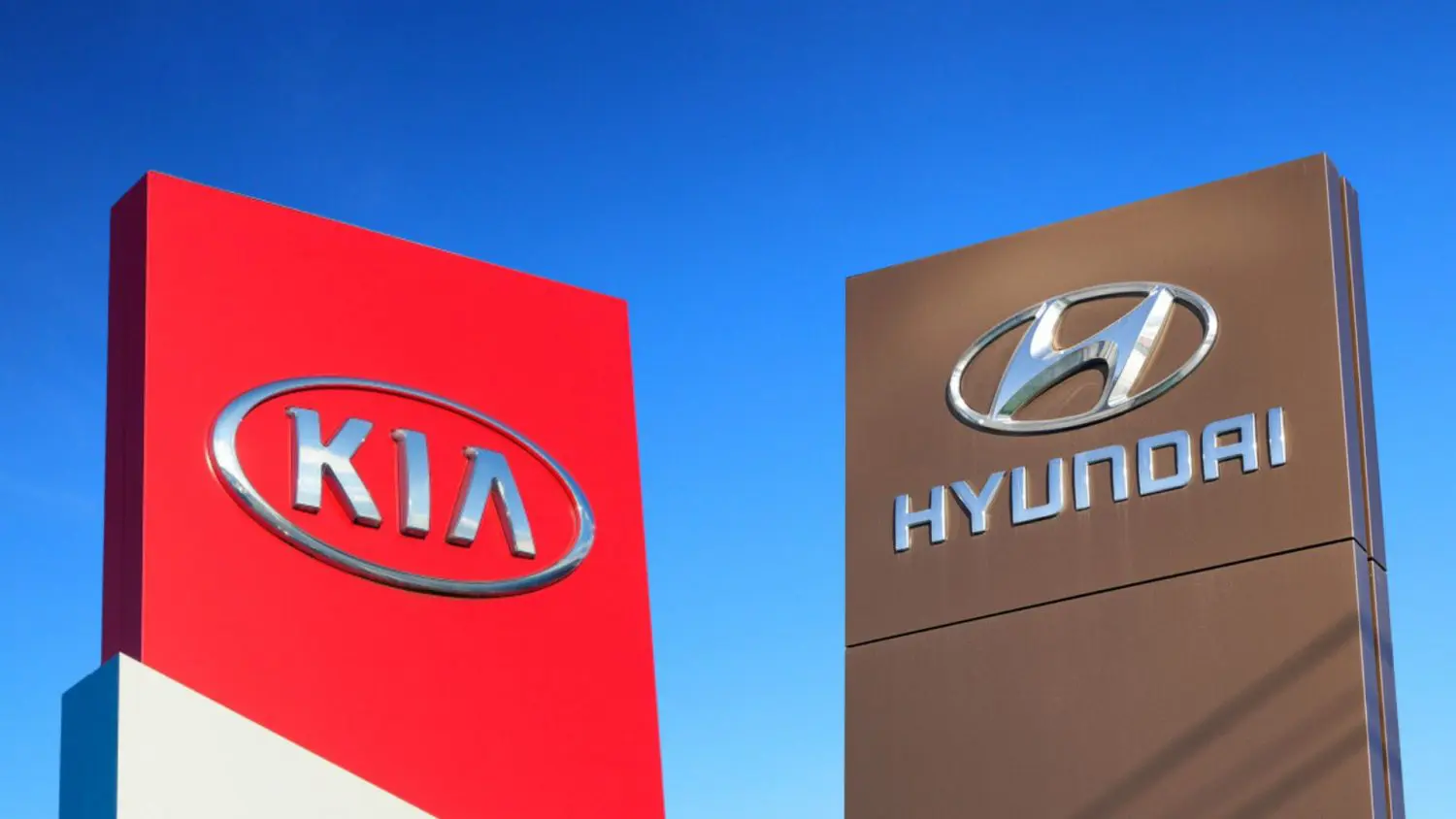
Kia and Hyundai post monthly, quarterly sales, trend in opposite directions

Kia and Hyundai both saw impressive sales in September, but trended in opposite directions over the third quarter
Kia and Hyundai both saw impressive sales in September, but trended in opposite directions over the third quarter.

Kia and Hyundai sales rose in September throughout the U.S. but trended in opposite directions over the course of the third quarter.

Hyundai reported sales of 68,961 for the month, an increase of 16% from September 2022 and 6% from August 2023. This set a new sales record for the period, which the company notes was primarily driven by its Tucson and Sante Fe lineups. However, despite these achievements, the South Korean automaker failed to attain the same success over the course of the third quarter. Hyundai’s total sales volume amounted to 200,534 units from July 1 through September 30. While this represents a 9% gain from Q3 2022, the number is 4.6% behind its total of 210,164 in Q2 2023.

Kia also broke its sales record for September, selling 67,264 vehicles. However, the automaker’s numbers trended in opposite directions from its parent company. Although it represents a year-over-year increase of 19%, the total is a decline of 6.8% from the previous month. On the other hand, Kia’s third-quarter sales total of 210,341 units represents a slight gain of 144 vehicles from Q2 and a year-over-year gain of 13.8%.

Despite these conflicting data points, Kia and Hyundai have ultimately retained a firm hold on the U.S. car market, thanks to a strong vehicle lineup and a dedicated consumer base. The final quarter could see the two brands build even more momentum. Although domestic automakers have seen impressive sales gains over the last few months, the United Auto Workers strike is almost certain to impact deliveries in the coming weeks. This presents a rare opportunity for foreign manufacturers to win over new buyers, provided they can secure enough inventory to offset vehicle shortages from their American competitors.

Read More
More from Articles
Used-vehicle inventory grows 4% as demand softens

Used-vehicle inventory grows 4% as demand softens

- June 15, 2026
On the Dash: Used-vehicle inventory increased 4% month over month to 2.12 million units. Average listing prices climbed to $26,918, the highest level since mid-2023. Retail used-vehicle sales fell 3.9%...
Shawn Fain seeks reelection as UAW convention tackles major policy issues

Shawn Fain seeks reelection as UAW convention tackles major policy issues

- June 15, 2026
On the Dash: UAW delegates will debate higher strike pay, union dues, and investments in organizing. President Shawn Fain remains the frontrunner despite criticism from a federal monitor and internal...
Rivian CEO RJ Scaringe backs humanoid robots as next frontier in manufacturing

Rivian CEO RJ Scaringe backs humanoid robots as next frontier in manufacturing

- June 15, 2026
On the Dash: Rivian CEO RJ Scaringe expects humanoid robots to work alongside factory employees within the next few years. Rivian-backed startup Mind Robotics has raised more than $1 billion...
Mexico's auto output holds steady as U.S. trade pressure mounts.

Mexico’s auto output holds steady as U.S. trade pressure mounts

- June 15, 2026
On the Dash: Mexico's auto industry built 1.64 million vehicles through May, nearly flat with a year ago. Exports rose 4% to 1.39 million units, with the U.S. taking 75%...