TSLA328.5809.05%
GM87.5800.64%
F13.9800.19%
RIVN16.0000.62%
CYD47.320-1.41%
HMC31.8201.09%
TM190.0902.6%
CVNA70.8502.51%
PAG216.4100.01%
LAD375.6300.55%
AN209.230-2.1%
GPI266.470-4.35%
ABG214.320-1.67%
SAH82.440-2.45%
TSLA328.5809.05%
GM87.5800.64%
F13.9800.19%
RIVN16.0000.62%
CYD47.320-1.41%
HMC31.8201.09%
TM190.0902.6%
CVNA70.8502.51%
PAG216.4100.01%
LAD375.6300.55%
AN209.230-2.1%
GPI266.470-4.35%
ABG214.320-1.67%
SAH82.440-2.45%
TSLA328.5809.05%
GM87.5800.64%
F13.9800.19%
RIVN16.0000.62%
CYD47.320-1.41%
HMC31.8201.09%
TM190.0902.6%
CVNA70.8502.51%
PAG216.4100.01%
LAD375.6300.55%
AN209.230-2.1%
GPI266.470-4.35%
ABG214.320-1.67%
SAH82.440-2.45%

Automakers face staggering fines over proposed fuel economy standards

The industry might be subject to $14 billion in CAFE fines.
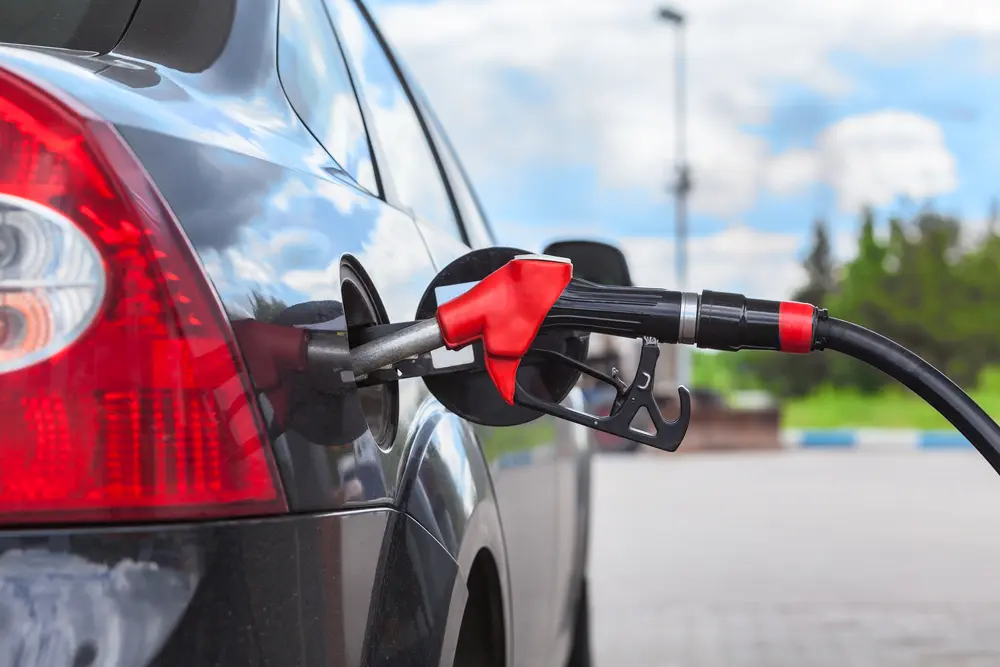
gas prices

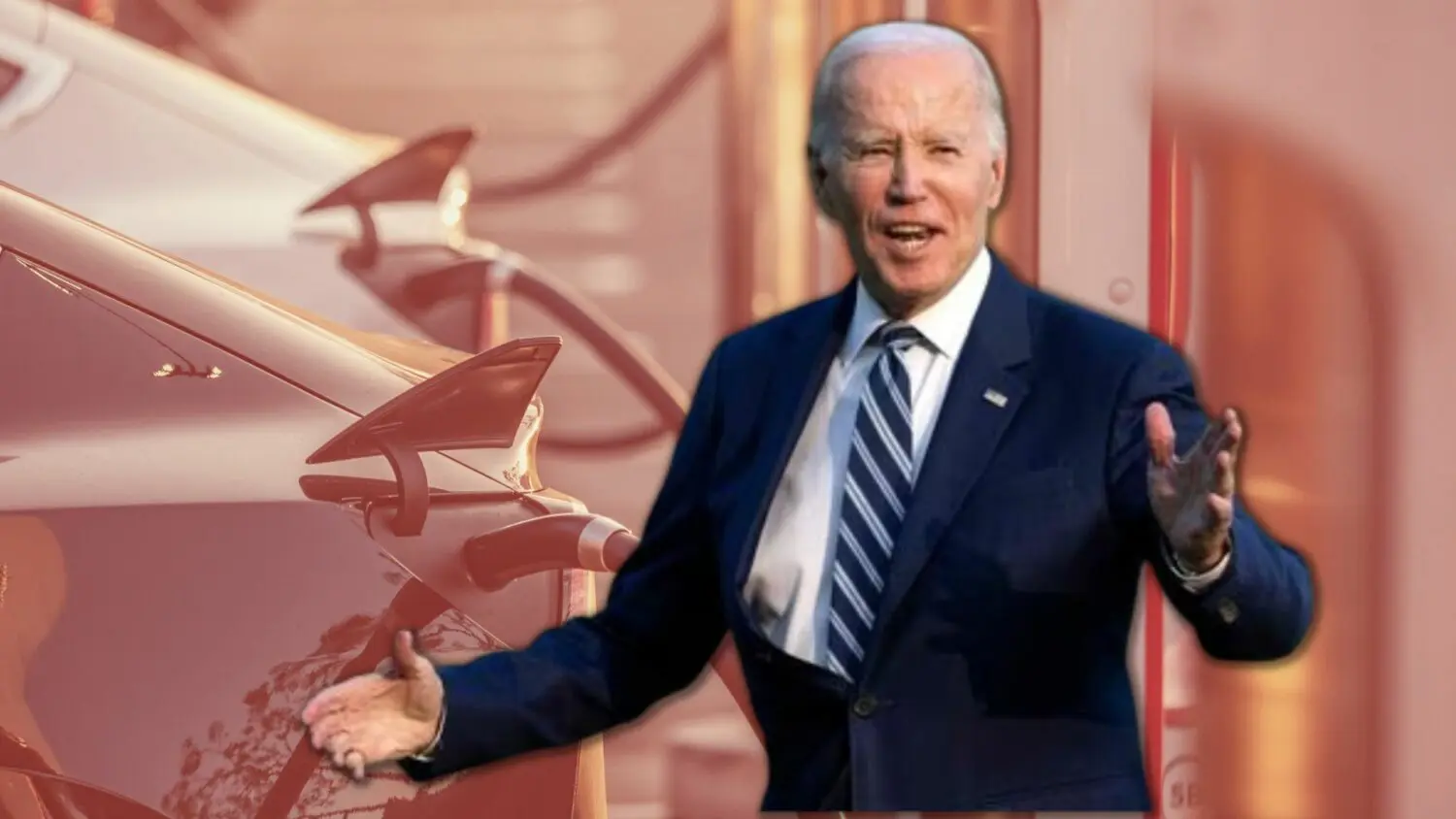
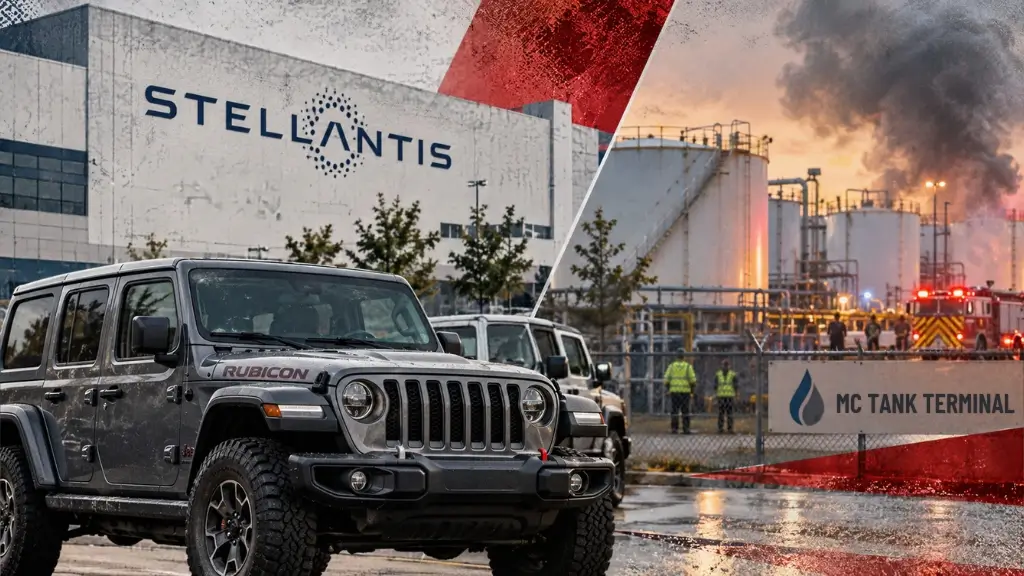
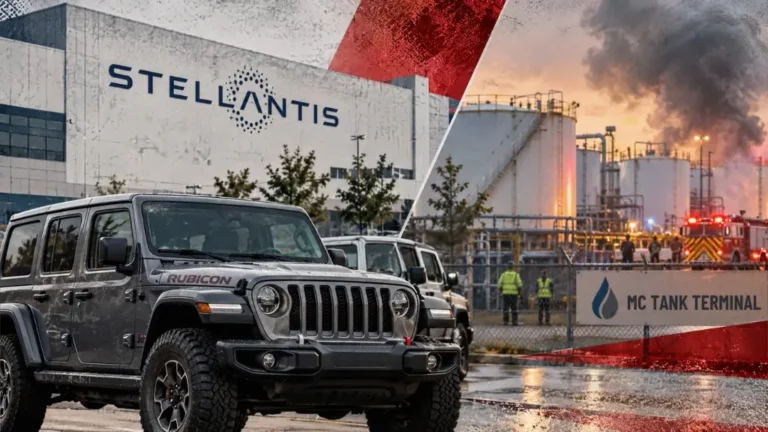
General Motors would incur fines totaling $6.5 billion and Chrysler parent Stellantis $3 billion due to Biden’s administration plan to raise fuel economy standards through 2032. 

In a letter to the U.S. Energy Department on September 29, the American Automotive Policy Council, which is made up of representatives for GM, Stellantis, and Ford, referred to the scale of the anticipated fines for failing to comply with the planned Corporate Average Fuel Economy (CAFE) rules as “alarming.”

According to the letter, Ford will be subject to separate fines of roughly $1 billion, while Volkswagen, the largest foreign manufacturer, will be subject to fines of over $1 billion.

The Department of Energy (DOE) was requested in the previously unreported letter to reconsider its decision to change the “Petroleum Equivalency Factor,” which will “disproportionately higher compliance costs” for American manufacturers.

On October 2, DOE announced that it had written to the Detroit Three and other automakers on September 14 to request their feedback on its concerns regarding the effective date and the possibility that vehicles might have lead-time issues.

Encouragement of EV adoption can minimize petroleum usage, but giving it too much credit can increase net petroleum use because it allows conventional vehicles to have lower fuel economy, according to a DOE report from April.

According to a group last week that represented almost all significant automakers, the industry might be subject to $14 billion in CAFE fines. Although the NHTSA did not respond to a request for comment on Monday, it previously stated that the estimate provided by the automakers is “consistent with our statutory obligations” and that the automakers “are free to use electric vehicles to comply and avoid penalties altogether.”

Furthermore, automakers must purchase credits or pay fines if they cannot achieve CAFE regulations. For failing to comply with U.S. fuel economy standards for earlier model years, Stellantis and GM paid a total of $363 million in fines.

Further Reading
More from Articles
Subaru to launch captive finance business in U.S., extends Chase partnership through transition

Subaru to launch captive finance business in U.S., extends Chase partnership through transition

- August 7, 2026
On the Dash: Subaru's new captive finance company is expected to give retailers more financing flexibility and stronger support for sales and F&I operations. Existing Subaru Motors Finance customers and...
Ford names new electric pickup the Fathom, priced at $28,350

Ford names new electric pickup Fathom, priced at $28,350

- August 7, 2026
On the Dash: Ford Fathom starts at $28,350, or $29,945 with destination and delivery Pre-orders open in early 2027, with deliveries following later that year The Fathom is the first...
Senate Republicans push to repeal California's emissions rules

Senate Republicans push to repeal California’s emissions rules

- August 7, 2026
On the Dash: Four Senate Republicans filed CRA resolutions targeting California's Clean Air Act vehicle emissions waivers. Sen. Husted's resolution targets Advanced Clean Cars II; Sen. Schmitt's targets the state's...
Porsche family urges Volkswagen to accelerate cost cuts amid rising competition

Porsche family urges Volkswagen to accelerate cost cuts amid rising competition

- August 7, 2026
On the Dash: Volkswagen is preparing additional capacity and cost reductions as it works to improve profitability and competitiveness in Europe. A planned 500,000-unit capacity reduction could affect future production...
CBT News
Privacy Overview

This website uses cookies so that we can provide you with the best user experience possible. Cookie information is stored in your browser and performs functions such as recognising you when you return to our website and helping our team to understand which sections of the website you find most interesting and useful.