TSLA400.62011.72%
GM81.3203.27%
F12.8700.43%
RIVN17.2300.34%
CYD43.2600.9381%
HMC25.0000.64%
TM217.2004.34%
CVNA387.50025.26%
PAG161.3205.3%
LAD283.0408.17%
AN207.9909.7%
GPI349.94014.46%
ABG211.4407.35%
SAH70.7003.33%
TSLA400.62011.72%
GM81.3203.27%
F12.8700.43%
RIVN17.2300.34%
CYD43.2600.9381%
HMC25.0000.64%
TM217.2004.34%
CVNA387.50025.26%
PAG161.3205.3%
LAD283.0408.17%
AN207.9909.7%
GPI349.94014.46%
ABG211.4407.35%
SAH70.7003.33%
TSLA400.62011.72%
GM81.3203.27%
F12.8700.43%
RIVN17.2300.34%
CYD43.2600.9381%
HMC25.0000.64%
TM217.2004.34%
CVNA387.50025.26%
PAG161.3205.3%
LAD283.0408.17%
AN207.9909.7%
GPI349.94014.46%
ABG211.4407.35%
SAH70.7003.33%

GM fears new emissions rules may cost the industry billions, Biden administration disagrees

According to a Biden administration official, the industry may pay fines for a poor fuel economy of around $3 billion in 2032 under one scenario or virtually none at all in another. 
GM emissions

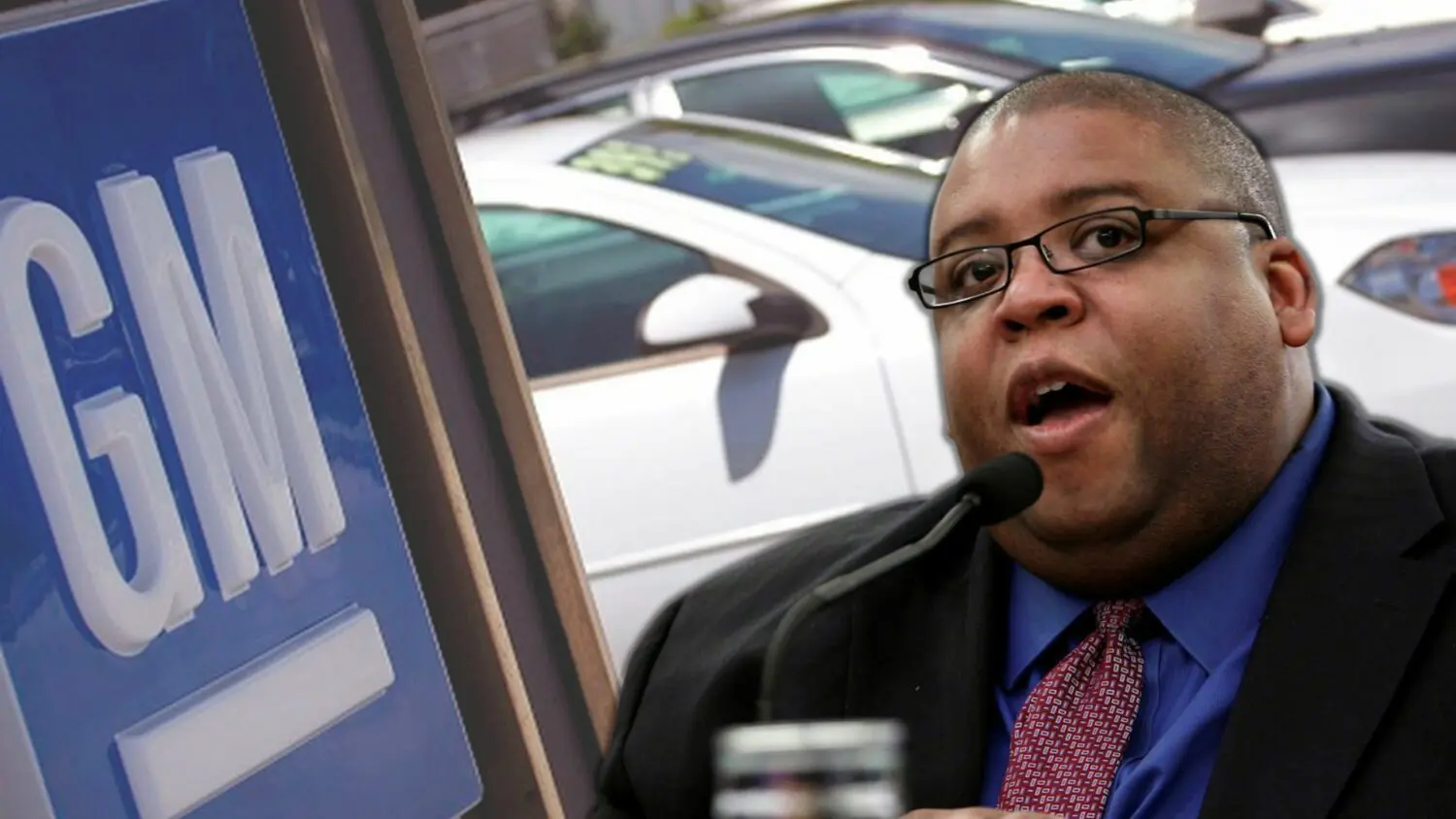
GM regulatory affairs executive David Strickland

General Motors has expressed concerns that the Biden Administration’s proposed modifications to car emissions regulations might result in hundreds of billions of dollars in fines for the entire industry by 2031. However, the Biden administration disagrees with GM’s claim. 

On July 27, GM executive David Strickland met with the White House Office of Management and budget representatives to discuss the administration’s improved car fuel efficiency proposal. At the meeting, GM projected that if an Energy Department proposal to change the petroleum-equivalent fuel economy rating for EVs gets passed, the whole auto industry would face $100 billion to $300 billion in total penalties, or $1,300 to $4,300 per vehicle from 2027 to 2031. 

The National Highway Traffic Safety Administration, NHTSA, which is in charge of Corporate Average Fuel Economy (CAFE) rules, stated that GM’s “estimate is pure speculation and inaccurate.” After receiving approval from the White House on July 25, the EPA will announce its proposal to raise the CAFE criteria for 2027.

According to a Biden administration official, the industry may pay fines for a poor fuel economy of around $3 billion in 2032 under one scenario or virtually none at all in another. 

Other officials expressed the recommended CAFE proposal from NHTSA is expected to lower oil consumption by more than 88 billion gallons by 2050 and save consumers more than $50 billion on gas over a vehicle’s lifespan. The official noted that the measure would save taxpayers more than $18 billion.

GM, which in 2021 promised to stop selling new gas-powered cars by 2035, warned this month that it would have trouble complying with the criteria governing EV efficiency and vehicle emissions. In a statement released on July 27, the corporation expressed its eagerness for “further and increased technical dialogue with the EPA and the White House as the rule is finalized.”
Further Reading
More from Articles
STL launches ‘Neuralis’ in the US: A high-performance Data Center portfolio engineered for the AI era

STL launches ‘Neuralis’ in the US: A high-performance Data Center portfolio engineered for the AI era

- April 17, 2026
Washington, United States, 17/April/2026: STL Optical Connectivity NA, LLC,  (STLOC),  a U.S. subsidiary of STL [NSE: STLTECH], a leading connectivity solutions provider for AI-ready digital infrastructure, today announced the U.S. launch of Neuralis, its flagship...
GM leans on global production to supply U.S. market amid cost pressures

GM leans on global production to supply U.S. market amid cost pressures

- April 17, 2026
On the Dash: Imported inventory may create variability in delivery timing and supply consistency. Trade policy shifts could impact the pricing and availability of certain models. Global production strategies may...
Volkswagen ends U.S. EV output, triggering $600 million financial hit 

Volkswagen ends U.S. EV output, triggering $600 million financial hit 

- April 17, 2026
On the Dash: Slower EV demand may impact inventory planning and turn rates for electric models. Production pullbacks could tighten EV supply or shift sourcing toward imports. Ongoing cost pressures...
March sales surge tightens inventory, affordability gaps persist

March sales surge tightens inventory, affordability gaps persist

- April 17, 2026
On the Dash: Faster March sales improved inventory flow, but demand remains uneven heading into Q2. Limited sub-$40K inventory continues to constrain volume opportunities. Rising incentives indicate growing pressure to...
CBT News
Privacy Overview

This website uses cookies so that we can provide you with the best user experience possible. Cookie information is stored in your browser and performs functions such as recognising you when you return to our website and helping our team to understand which sections of the website you find most interesting and useful.