Technology, shortages, and consumer demands have shaped much of today’s retail automotive landscape. As the industry closes out the second quarter and looks ahead at the remainder of the year, should dealers expect to see more of the same, or will the paradigm shift once again? On this episode of Inside Automotive, host Jim Fitzpatrick is joined by the President and CEO of AutoForecast Solutions, Joe McCabe, to discuss how the future of the car business could look.
Semiconductor supply
During the COVID pandemic, much of the conversation focused on the lack of semiconductors, an obstacle that received a majority of the blame for supply chain disruptions and low vehicle production rates. However, McCabe argues that the chip shortage was more of a short-term scapegoat than a long-term roadblock. He explains that while semiconductor availability has significantly improved, supply and logistics issues, which were present well before the pandemic, are still rampant and largely unaddressed. Retail automotive is “not out of any woods, we’re just looking at a different set of woods…” he clarifies.
Production output
New vehicle production has shown slight improvements in 2023, but McCabe notes that car manufacturers are still far behind their pre-pandemic output. The total number of light passenger cars made in 2016 was 17.8 million units. “That was the peak, and it has since come down…we are at 15.65 million right now for this year,” he explains. While McCabe has little faith the industry will return to this level of output, he notes that the lower supply could work in favor of retail automotive by driving up profit margins: “At the end of the day, you’ve gotta remind yourself the vehicle manufacturers have one customer, and that is the shareholders. The shareholder value always has to be optimized, and that is about more profit per vehicle. And to get more profit…might mean selling less vehicles at a higher margin.”
Electric vehicles
While electric vehicles remain a divisive topic in the retail automotive landscape, McCabe notes that they have helped disprove the notion that the industry is immune to disruptors. EV brands have not only introduced new technology but have also demonstrated that unorthodox business models, such as selling directly to consumers, can be successful. “If you’d ask me…fifteen years ago, I’d say [the franchise system is] the way it works,” he offers. “But when the Teslas of the world come in and say ‘Hey, there is another model there,’ then yes: it is forcing that change in thoughts and process on their business plans.” However, the sudden proliferation of battery-powered cars and the industry’s newfound interest in direct sales do not mean that dealerships or gas-powered vehicles are at risk of disappearing anytime soon. McCabe believes the transition will be exceedingly slow. “I do not subscribe to the [belief that] ‘we’re all electrified in our lifetime’…it is here to stay [but] the manufacturers are not targeting you and I, they’re targeting our kids and our grandkids,” he remarks.
Subscription models
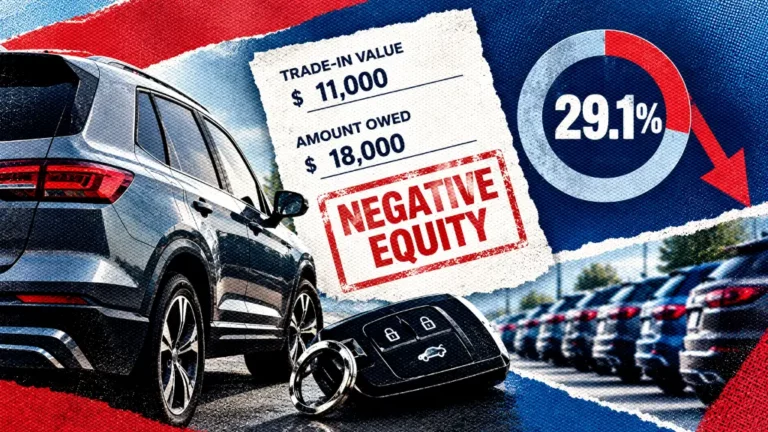
An area that McCabe believes could change much more rapidly is that of payment and ownership. The impacts of high inflation, rising interest rates and low affordability in retail automotive have made it harder for customers to justify new vehicle purchases. This has caused some manufacturers to experiment with alternative forms of ownership, such as leasing and renting. Over time, the need for lower monthly payments may drive automakers to switch to a Netflix-like subscription model. “I think we’re in a huge transition now and for the next three-or-four years on how this market is going to play out,” concludes McCabe.