On the Dash:
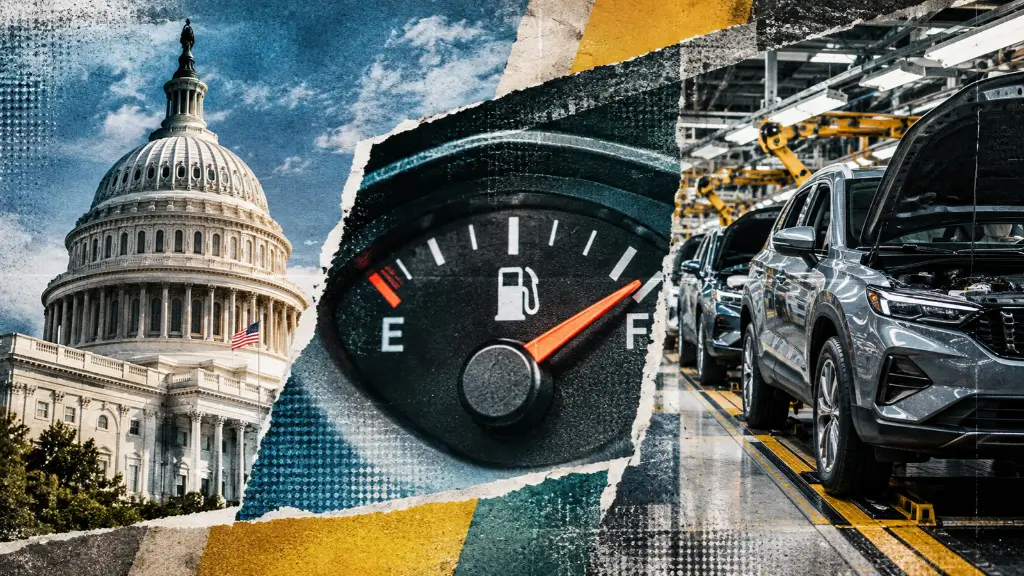
- Gas prices at $4.05, up from $3.16 a year ago, continue to pressure consumer affordability.
- Uncertainty around sub-$3 pricing timelines complicates demand forecasting.
- Elevated fuel costs may sustain interest in fuel-efficient and alternative powertrains.
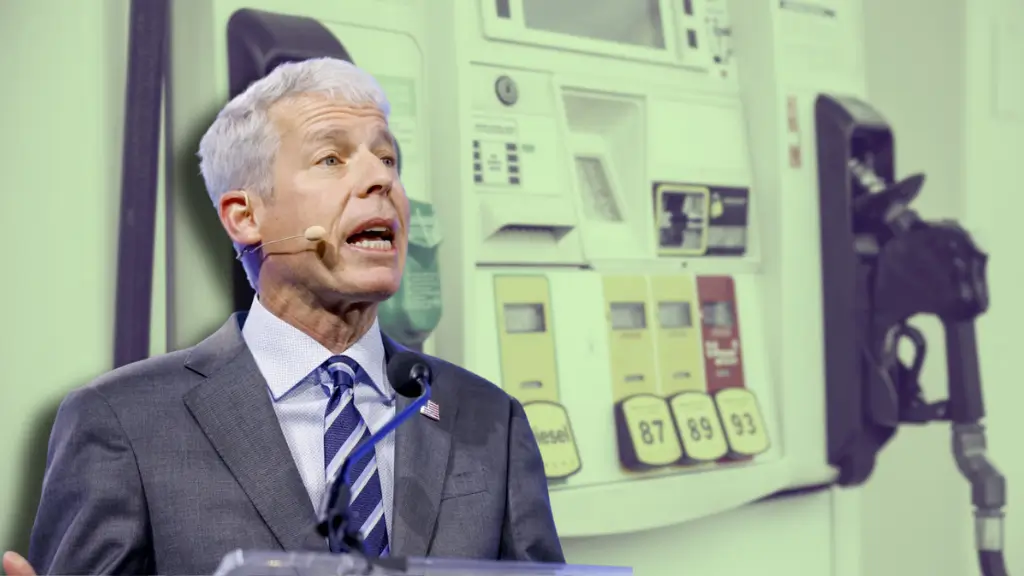
U.S. Energy Secretary Chris Wright said Sunday during CNN’s State of the Union that gas prices have likely peaked but may remain above $3 per gallon until next year, as geopolitical tensions continue to pressure global energy markets.
Wright said prices are expected to decline, especially if the ongoing conflict in the Middle East is resolved. According to AAA, the national average for regular gas was $4.05 per gallon on Sunday, compared to $3.16 a year ago.
Wright alluded that while gas prices could fall below $3 per gallon later this year, it’s also possible that it won’t happen until next year. Notably, he mentioned that prices have likely peaked and are expected to decline in the upcoming months.
Other administration officials have offered differing timelines, with Treasury Secretary Scott Bessent saying last week that gas prices could fall to around $3 per gallon this summer, while President Trump has said prices may remain elevated until November. However, officials have consistently said prices are expected to decline once the conflict ends.
Gas prices have risen during the conflict involving Iran, including Iranian attacks on nearby countries and disruptions tied to the Strait of Hormuz, a critical global oil shipping route. The U.S. and Iran agreed to a 10-day ceasefire on Thursday, though Trump said Iran violated the agreement over the weekend with attacks on ships in the region.
U.S. officials are expected to continue negotiations in Pakistan, as tensions remain elevated and uncertainty continues to weigh on global energy markets.
Rising fuel costs are also creating political pressure ahead of the November midterm elections, as Republicans defend slim majorities in both the Senate and the House of Representatives. Gas prices remain a key economic issue influencing consumer sentiment and broader inflation concerns.