TSLA381.6308.83%
GM76.8900.27%
F12.080-0.16%
RIVN16.4000.34%
CYD41.2101.13%
HMC24.3400.34%
TM192.6201.36%
CVNA395.995-0.595%
PAG171.520-0.14%
LAD290.120-0.88%
AN212.3806.69%
GPI356.8707.66%
ABG203.6902.3%
SAH78.7505.44%
TSLA381.6308.83%
GM76.8900.27%
F12.080-0.16%
RIVN16.4000.34%
CYD41.2101.13%
HMC24.3400.34%
TM192.6201.36%
CVNA395.995-0.595%
PAG171.520-0.14%
LAD290.120-0.88%
AN212.3806.69%
GPI356.8707.66%
ABG203.6902.3%
SAH78.7505.44%
TSLA381.6308.83%
GM76.8900.27%
F12.080-0.16%
RIVN16.4000.34%
CYD41.2101.13%
HMC24.3400.34%
TM192.6201.36%
CVNA395.995-0.595%
PAG171.520-0.14%
LAD290.120-0.88%
AN212.3806.69%
GPI356.8707.66%
ABG203.6902.3%
SAH78.7505.44%

California asks for EPA approval on ambitious electric vehicle requirements

California legislators are seeking the EPA's approval on a bill promoting electric vehicle sales by phasing out gas-powered cars
electric vehicle, electric vehicles

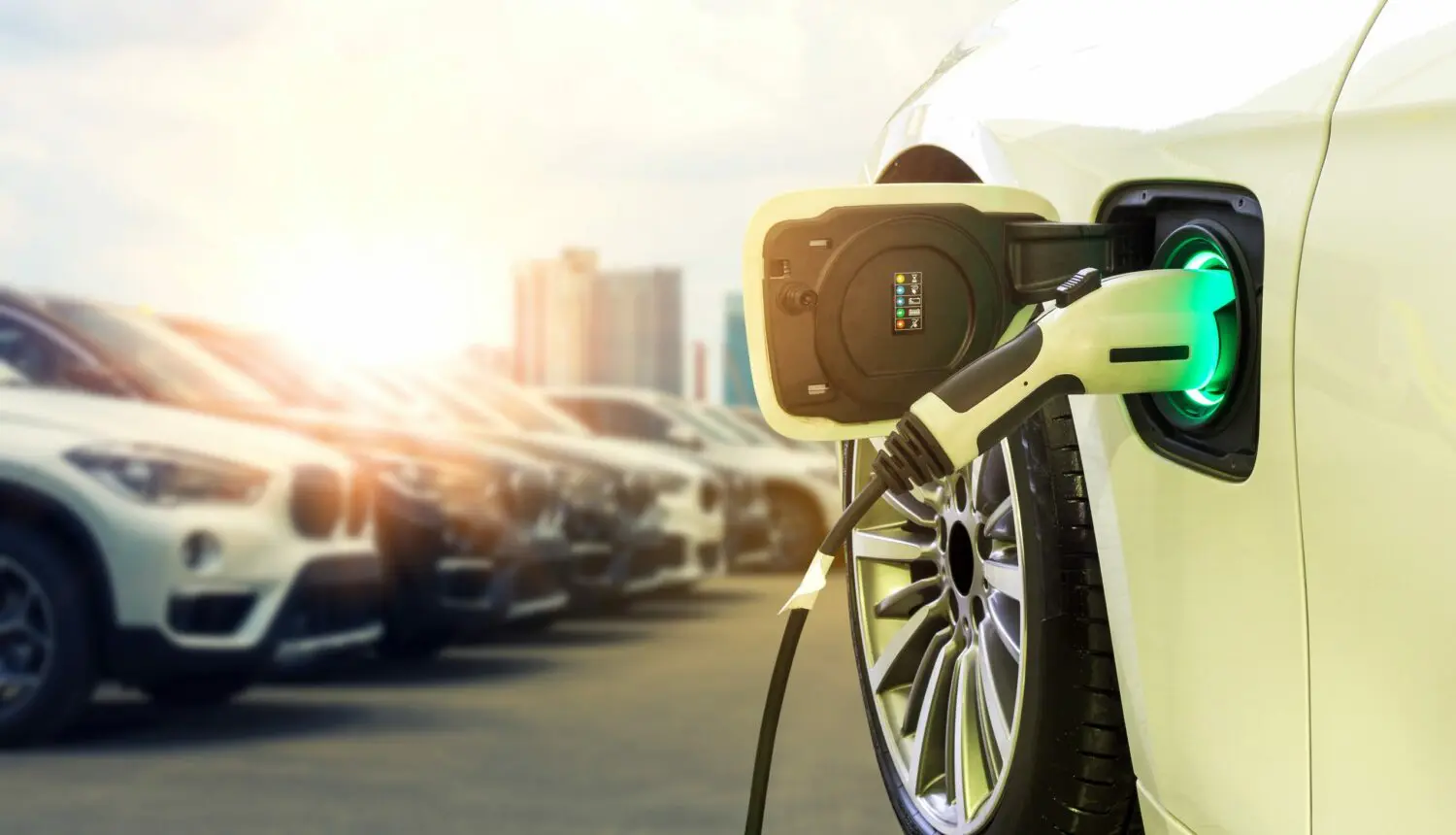
California legislators representing the nation’s largest electric vehicle market are seeking clearance from the Environmental Protection Agency (EPA) to place an effective ban on the sales of gas-powered cars by 2035.

In a letter obtained by Reuters, the California Air Resources Board (CARB) wrote to the EPA on Monday, May 22, asking the agency to approve the rule by exempting the region from the Clear Air Act. The law prevents states from imposing their own emissions standards, although the federal government can grant waivers as it sees fit. This accommodation has been extended to multiple CARB requests in the past, allowing the state to enforce other electric vehicle standards.

The policy in question would introduce increasingly strict emission targets from 2026 through 2035, at which point the state will ban gasoline-only vehicles, restricting purchases to hybrid or electric vehicles. Reuters reports that California expects to lose $210.35 billion but gain $301.41 billion under its plan.

While the rule will need approval from the EPA before passing, the agency itself is looking to enact a similar policy on a nationwide scale. A proposal introduced by regulatory officials in April would also limit the use of gas-powered cars by requiring 67% of the automotive industry’s sales to be comprised of hybrid and electric vehicles by 2032. Although the law stops short of an outright ban, House Republicans are urging the department to retract this policy. Whether the EPA will endorse an even more aggressive approach than its own, such as the rule presented by CARB, remains to be seen.
Read More
More from Articles
GM deploys Google Gemini AI to 4 million vehicles

GM deploys Google Gemini AI to 4 million vehicles with no dealer involvement

- April 30, 2026
On the Dash: Four million GM vehicles get a major AI upgrade to Google Gemini without visiting a dealership. Gemini brings hands-free messaging, smarter navigation and conversational AI to the...
Pleos Connect

Hyundai Motor Group redefines in-vehicle experience with ‘Pleos Connect’ next-generation infotainment system

- April 30, 2026
Pleos Connect, a next-generation infotainment system, will launch in May as Hyundai Motor Group’s first Software-Defined Vehicle (SDV) transition deliverable The system will debut on Hyundai Motor’s new GRANDEUR in...
Fed holds rates steady, squeezing used-car buyers

Fed holds rates steady, squeezing used-car buyers

- April 30, 2026
On the Dash: Used-car buyers face the greatest strain as high interest rates persist, with no incentives to offset costs. Rising gas prices disproportionately impact lower-income households, compounding affordability challenges. ...
Ford raises 2026 outlook after Q1 earnings beat expectations

Ford raises 2026 outlook after Q1 earnings beat expectations

- April 30, 2026
On the Dash: Ford beats Q1 expectations with strong pricing, mix and services growth. Tariff ruling delivers $1.3B benefit, helps offset rising aluminum costs. Company raises EBIT outlook while maintaining...
CBT News
Privacy Overview

This website uses cookies so that we can provide you with the best user experience possible. Cookie information is stored in your browser and performs functions such as recognising you when you return to our website and helping our team to understand which sections of the website you find most interesting and useful.