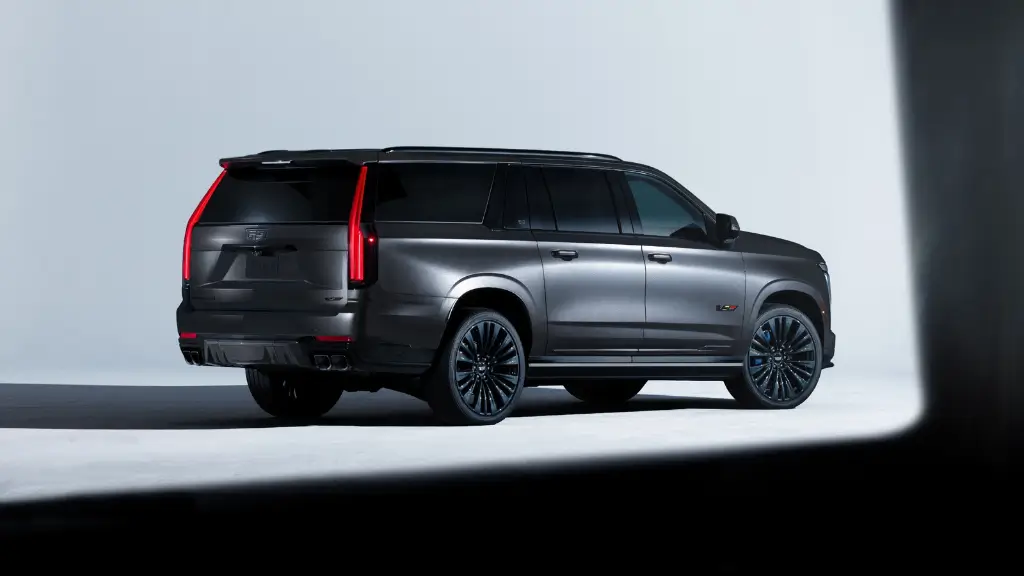
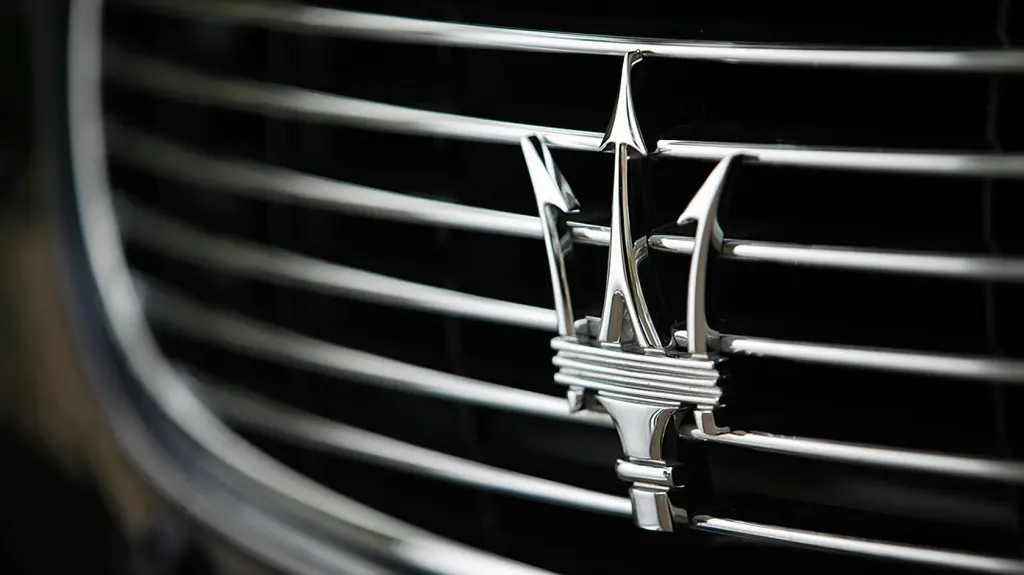
A New York administrative judge has ruled that Maserati’s proposed modifications to their franchise agreement are “unfair”. Among the proposed changes, Maserati was seeking to exclude coming electric vehicles and hybrids from the definition of a Maserati. Doing so would have set the stage for selling EVs and hybrid-electric Maserati models directly to the public, mirroring the business model Tesla has long implemented.
The proposal was made along with several other changes. It was perhaps the largest portion of the proposal, however. Testimony from the manager of Maserati North America’s dealer network claimed in court that there were no Maserati EVs or hybrid models currently under development, attempting to leave the door open to retail electrified vehicles separately from the parent brand. The judge was quick to note that the Maserati website conflicted with that argument.
Intending to Sell Direct to Public
Had the proposal passed, it would have created an opening for Maserati to sell electric and hybrid-electric vehicles outside of its franchised dealer network, such as selling directly to the consumer. The purpose of dealer franchise law is to prevent manufacturers from competing directly with their own independent franchised dealers. It’s an arms-length law that prevents a carmaker from undercutting the franchise in the state. Separating Maserati’s current lineup from coming EVs could precariously pit manufacturer against dealer.
Why Tesla Can Sell Direct
A contentious point in the industry is how one EV carmaker, the largest in North America, can sell direct to the public. Tesla has structured their business model around only selling directly to the consumer with no dealer franchises at all. Tesla’s CEO, Elon Musk, claims the traditional dealer model doesn’t work for EVs. He presents an argument where dealers have less incentive to sell electric cars based on lower servicing revenue and longer ownership. He sees potential for dealers to steer customers toward gas-powered cars that would produce higher long-term revenue.
In many states, Tesla has been allowed to sell direct to the consumer because of one thing: there is no franchised Tesla dealer network. A few states still ban Tesla from opening retail stores on law verbiage alone, including Texas and Connecticut.
How Other Manufacturers Deal with EV Sales
It’s been proven possible to compete with Tesla in the electric vehicle market, even among the franchised dealer networks.
Chevrolet, for example, successfully released the Chevrolet Bolt EV, promptly winning accolades like the North American Car of the Year award. Chevrolet sells the Bolt through only certain dealerships certified for their first fully-electric model. It creates an exclusive feel, and dealer sales and service staff are specially trained to sell and care for the Bolt.
The Ford Focus Electric is also limited in its sales. It’s available in just ten states and solely from Ford EV Certified dealers, creating the same exclusivity as the Bolt while remaining inside a dealer network.
Maserati’s proposed idea to allow EV and hybrid-electric car sales outside of their franchised dealer network is unnecessary. As a high-end car manufacturer, the product and service exclusivity are already well defined. And even among a franchised auto dealer structure, it’s possible to be quite successful in electric vehicle sales without redefining your brand.