On the Dash:
- Waymo freeway ban in California took effect last week after robotaxis entered active construction zones.
- The California DMV says the restriction stays until Waymo shows effective corrective actions.
- The company temporarily restricted freeway operations in its other markets, while street service continues.
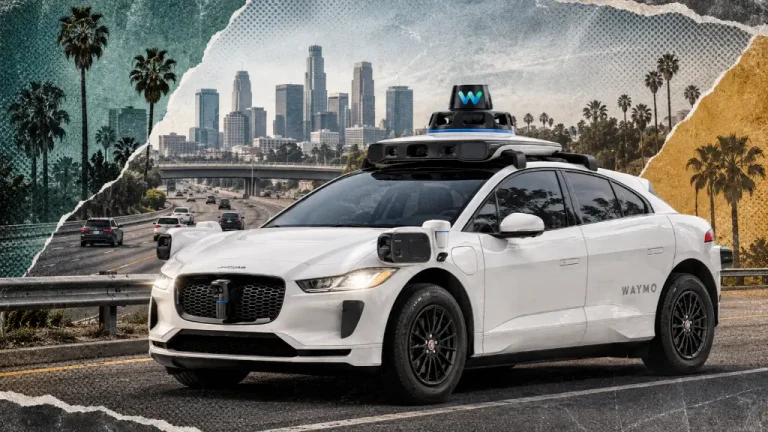
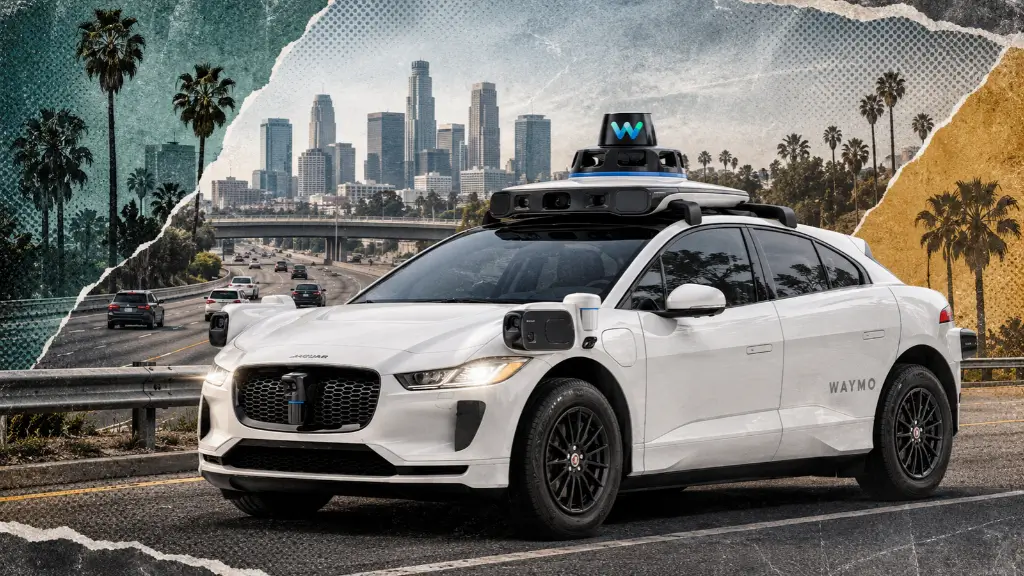
Waymo has halted robotaxi operations on U.S. freeways, the Alphabet-owned company said Tuesday, after a California regulator barred its vehicles from freeways in the state. The suspension is a setback for the company, as the company pushes to expand quickly in the U.S. and abroad.
A Waymo spokesperson said in a statement that the company has temporarily restricted freeway operations across its other operating markets to evaluate performance. The pullback follows a similar move earlier this year, when Waymo suspended freeway rides to evaluate and improve performance around certain construction zones.
California DMV cites construction zone incidents
The California Department of Motor Vehicles said the ban took effect last week and followed a series of incidents in which the robotaxis entered active construction zones. The DMV outlined its reasoning in a statement Tuesday. The robotaxi company recalled 3,871 robotaxis in June over a software defect that allowed vehicles to enter active freeway construction zones in Arizona and California.
In a statement to KTLA, the DMV said it determined that Waymo’s driverless freeway operations pose an “imminent hazard to public safety.” The agency said the restriction will remain in place until the company demonstrates it has taken “effective corrective actions to address the deficiencies.” Additionally, Waymo said it’s working with the DMV and other state officials “diligently and responsibly” to resume freeway operations. The company said its service continues to operate on streets in the meantime.
Waymo’s footprint and the competition
Currently, Waymo operates in 15 U.S. cities but offers freeway rides in only a few, including San Francisco and Los Angeles. The company launched its first driverless freeway rides in San Francisco, Phoenix and Los Angeles in November 2025. After years of slow, steady growth, the company has been pushing for rapid expansion in the U.S. and other countries. Competitors are also making inroads into the robotaxi industry, including Tesla, which operates a small number of driverless Robotaxi vehicles in Austin, and Amazon’s Zoox, which is expanding limited public access in Austin and Miami.
The action shows California regulators using their authority to limit where driverless vehicles can operate, and it ties any return to freeways to corrective steps the DMV must see. Dealers following how autonomous technology reaches consumers can track the state’s conditions for Waymo to resume freeway service.