On the Dash:
- Tesla is operating a limited number of Robotaxi vehicles in Austin without human drivers or safety supervisors.
- The rollout remains small and trails competitors already running commercial driverless services.
- The company’s shares rose 4.2% following the announcement.
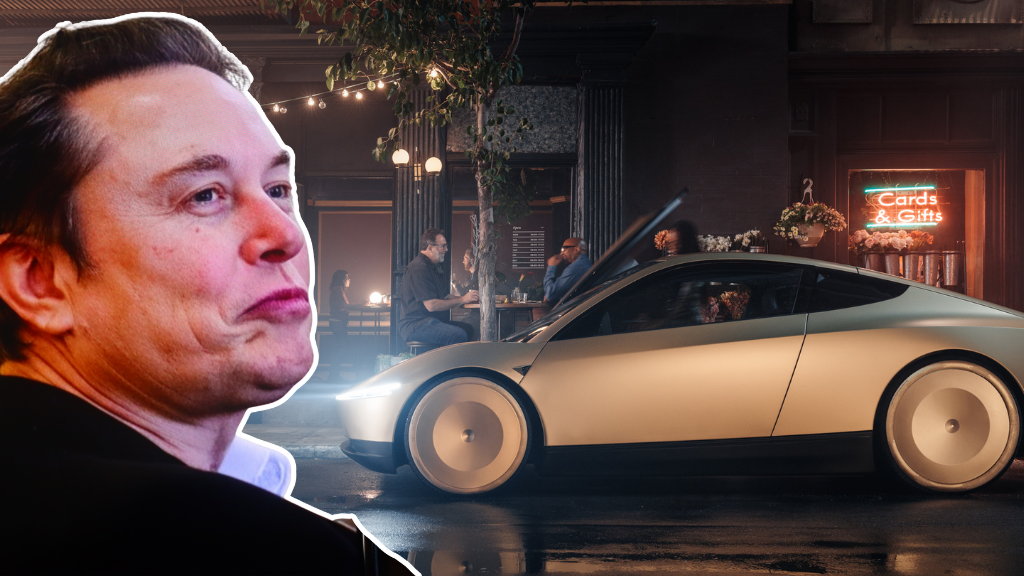
Tesla has begun operating a small number of Robotaxi vehicles in Austin, Texas, without a human driver or a safety supervisor on board, marking a new step in the company’s autonomous vehicle strategy.
Tesla CEO Elon Musk said Thursday that the company recently began driverless Robotaxi trips in Austin. The vehicles are operating alongside others in the same market that still include safety monitors. The company said the proportion of unsupervised vehicles will increase over time.
The move follows Tesla’s approval to operate as a transportation networking company in Texas, allowing the use of automated driving systems. The company has not received similar authorization in California, where driverless testing and commercial robotaxi operations still require a human driver.
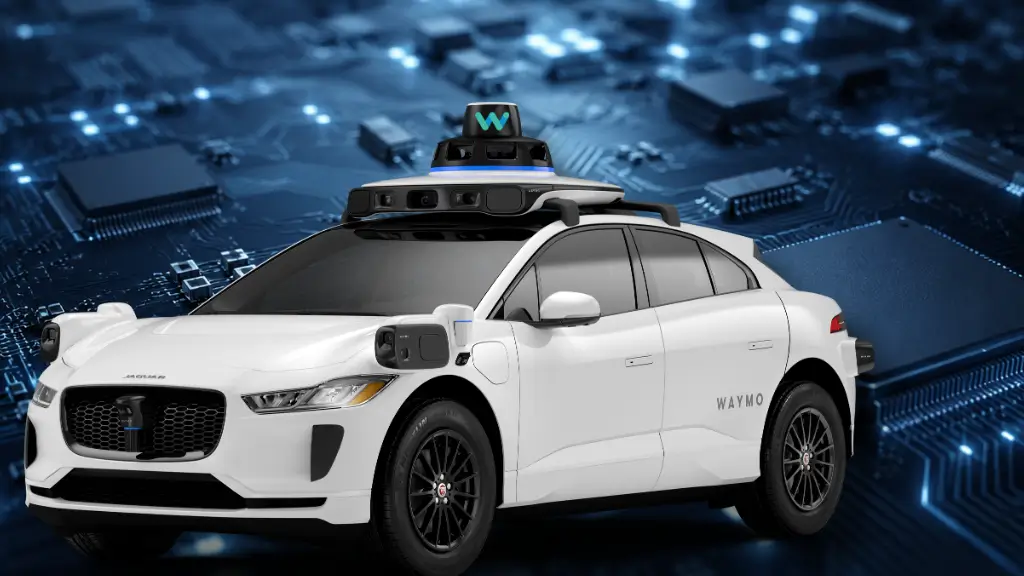
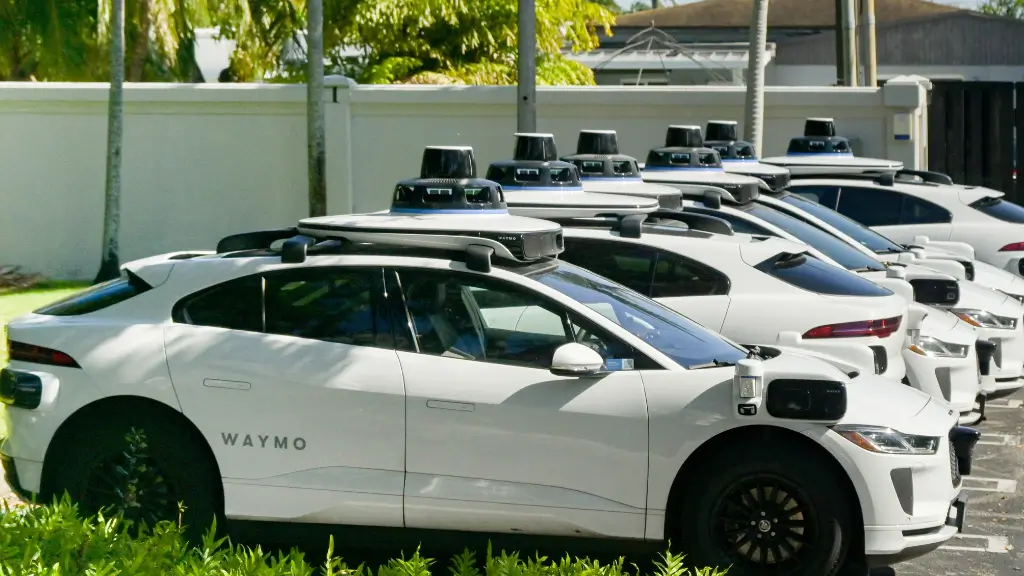
The Robotaxi rollout remains limited. The company lags competitors already operating commercial driverless services, including Alphabet’s Waymo in the United States and Baidu’s Apollo Go in China. Amazon-backed Zoox also operates limited driverless services, while several startups continue development.
Investor reaction was positive. Tesla shares rose 4.2% on Thursday, closing at $449.36.
The EV maker launched its Robotaxi ride-hailing app and began early services in Austin and the San Francisco Bay area, generating renewed attention around its autonomy strategy. Musk has repeatedly stated that autonomous driving is close to widespread deployment, though prior timelines have slipped.
Tesla continues to market its premium driver assistance software as FSD Supervised and plans to offer an unsupervised version in the future. The company’s ability to scale a driverless ride-hailing business has taken on greater importance as EV sales soften.
Regulatory scrutiny remains a key challenge. California regulators last year found that Tesla engaged in deceptive marketing regarding driverless capabilities. The National Highway Traffic Safety Administration is investigating potential safety violations tied to the automaker’s automated systems.
Public sentiment also remains cautious. Surveys conducted late last year found most U.S. consumers were reluctant to ride in robotaxis, citing safety concerns.
Tesla is scheduled to report fourth-quarter earnings on Wednesday, with investors closely watching progress on autonomy and ride-hailing expansion.