TSLA435.790-6.31%
GM83.240-1.11%
F17.4400.79%
RIVN16.3001.1%
CYD56.7200.39%
HMC26.990-0.3%
TM189.950-1.89%
CVNA73.000-0.49%
PAG167.370-0.8%
LAD290.890-4.73%
AN187.720-6.02%
GPI316.340-10.09999%
ABG187.710-7.04%
SAH82.620-1.12%
TSLA435.790-6.31%
GM83.240-1.11%
F17.4400.79%
RIVN16.3001.1%
CYD56.7200.39%
HMC26.990-0.3%
TM189.950-1.89%
CVNA73.000-0.49%
PAG167.370-0.8%
LAD290.890-4.73%
AN187.720-6.02%
GPI316.340-10.09999%
ABG187.710-7.04%
SAH82.620-1.12%
TSLA435.790-6.31%
GM83.240-1.11%
F17.4400.79%
RIVN16.3001.1%
CYD56.7200.39%
HMC26.990-0.3%
TM189.950-1.89%
CVNA73.000-0.49%
PAG167.370-0.8%
LAD290.890-4.73%
AN187.720-6.02%
GPI316.340-10.09999%
ABG187.710-7.04%
SAH82.620-1.12%

Volvo global sales drop 10% in November amid structural changes

Sweden-based automaker sold 60,244 cars in November, with fully electric and plug-in hybrid models accounting for 50% of total volume.
Volvo’s global sales fell 10% in November, with electrified vehicles accounting for 50% of total sales despite subdued U.S. demand.

On the Dash:

  • Volvo’s global sales fell 10% in November, continuing an 8% year-to-date decline.
  • Electrified vehicles, including fully electric and plug-in hybrids, now account for half of Volvo’s total sales.
  • U.S. demand remains weak due to the end of federal EV tax credits, despite strong performance in China’s electrified segment.

Volvo Cars reported a 10% decline in global sales for November, continuing a year-long decline amid structural and market challenges. The Swedish automaker, majority-owned by China’s Geely Holding Group, sold 60,244 vehicles last month, compared with 66,977 in November 2024, the company said Wednesday. 

Despite the overall decline, electrified vehicles are driving growth within the portfolio. Notably, fully electric models accounted for 24% of November sales, while plug-in hybrids made up 26%, together representing the automaker’s monthly volume. Additionally, the XC60 SUV was Volvo’s top-selling model this month. 

Sign up for CBT News’ daily newsletter and get the latest industry stories delivered straight to your inbox

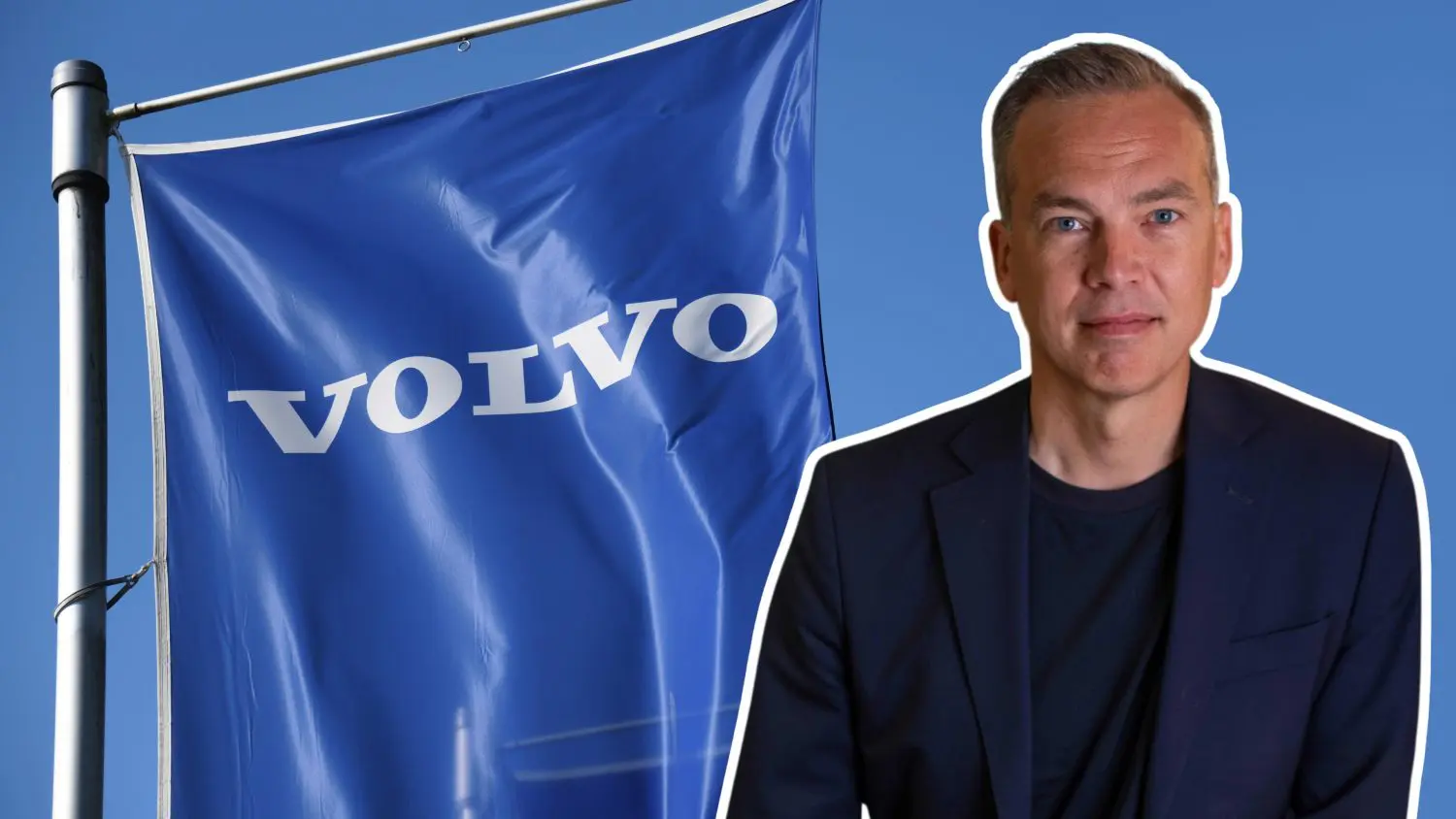
According to Chief Commercial Officer Erik Severinson, the company is encouraged by growth in fully electric cars and by accelerated deliveries of the XC70 long-range plug-in hybrid in China. Meanwhile, sales in the United States remain subdued following the phase-out of federal tax credits. According to the company, though Volvo did not provide a detailed regional breakdown. 

Volvo is targeting a long-term operating profit margin above 8% as part of a recent strategy overhaul, aimed at strengthening competitiveness in the global automotive market. 

However, the company continues ot invest in electrification, positioning itself to capture growth in the quickly changing EV market. 
Read More
More from Global Industry News
U.S. eases some Taiwan tariffs under trade agreement

U.S. eases some Taiwan tariffs under trade agreement

- May 28, 2026
On the Dash: Tariff relief may lower input costs for auto suppliers using Taiwanese precision parts and electronics. There is a 15% cap on duties, which provides pricing stability for...
Volkswagen rules out Chinese plant talks amid Europe overcapacity concerns

Volkswagen rules out Chinese plant talks amid Europe overcapacity concerns

- May 21, 2026
On the Dash: Volkswagen continues restructuring European operations as weak demand and overcapacity pressure profitability. Localized production strategies are becoming more important as tariffs and global competition reshape manufacturing. Ongoing...
Stellantis expands China EV strategy with $1.17B Dongfeng partnership

Stellantis expands China EV strategy with $1.17B Dongfeng partnership

- May 15, 2026
On the Dash: Stellantis is accelerating its EV strategy through deeper partnerships with Chinese automakers and suppliers. China’s leadership in EV technology continues to reshape global manufacturing and sourcing decisions. ...
Trump’s China visit raises new questions for U.S. automakers

Trump’s China visit raises new questions for U.S. automakers

- May 14, 2026
On the Dash: Dealers should expect continued uncertainty around EV sourcing, tariffs, and future U.S.-China trade policy. National security concerns surrounding connected vehicles could reshape future technology standards and inventory...