On the Dash:
- Volkswagen is halting U.S. exports of the ID. Buzz after just over a year due to slow sales, high pricing, and excessive dealer inventory.
- The expiration of federal EV tax incentives significantly reduced demand for the ID. Buzz, exposing affordability challenges in the U.S. EV market.
- While retail sales struggled, Volkswagen is repositioning the ID. Buzz for future use through fleet and autonomous partnerships, including a planned Uber robotaxi deployment.
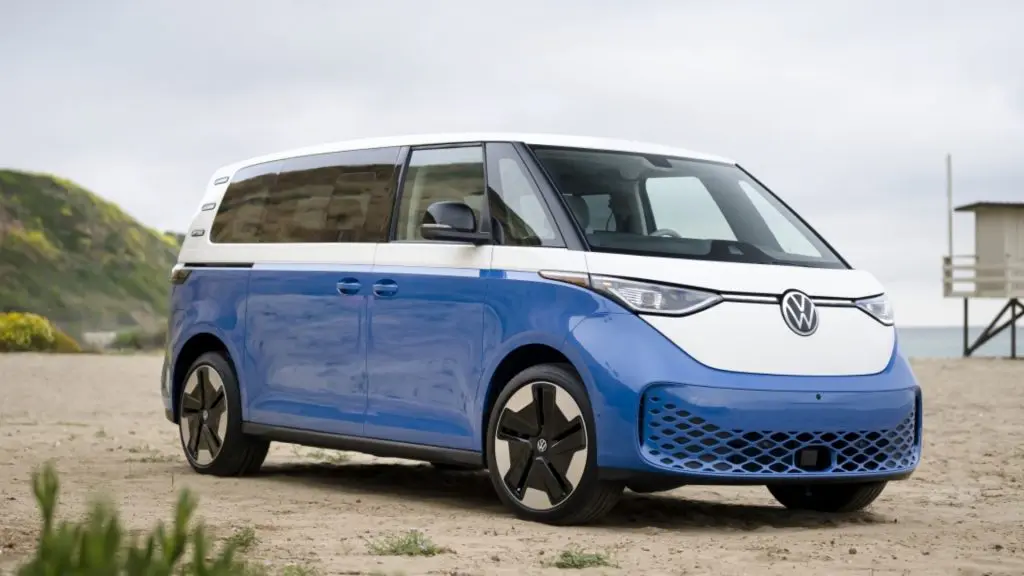
Volkswagen is halting exports of the ID. Buzz to the United States after only a little over a year on the market, due to slow sales and diminished consumer demand following the expiration of federal tax incentives.
The all-electric retro minibus, with a quirky design heavily inspired by VW’s iconic bus from the 60s, has struggled to sell since its release. Dealers and customers have heavily criticized the vehicle for its steep starting price of nearly $60,000 and an average battery range of around 250 miles on a single charge.
The combination of a high price tag, mediocre range, and the expiration of tax credits—a significant consumer driver—has resulted in ballooning inventory levels. The vehicles have been piling up on dealer lots nationwide, despite substantial discounts. At the end of November, Motor Intelligence estimated that approximately 2,600 units were available, the equivalent of over 200 days’ supply.
A Volkswagen spokesperson confirmed that the company will continue to produce the vehicle for its other markets. The company told its dealers that the decision to halt exports will assist with the transition to 2027 model year vehicles, including the potential return of the ID. Buzz.
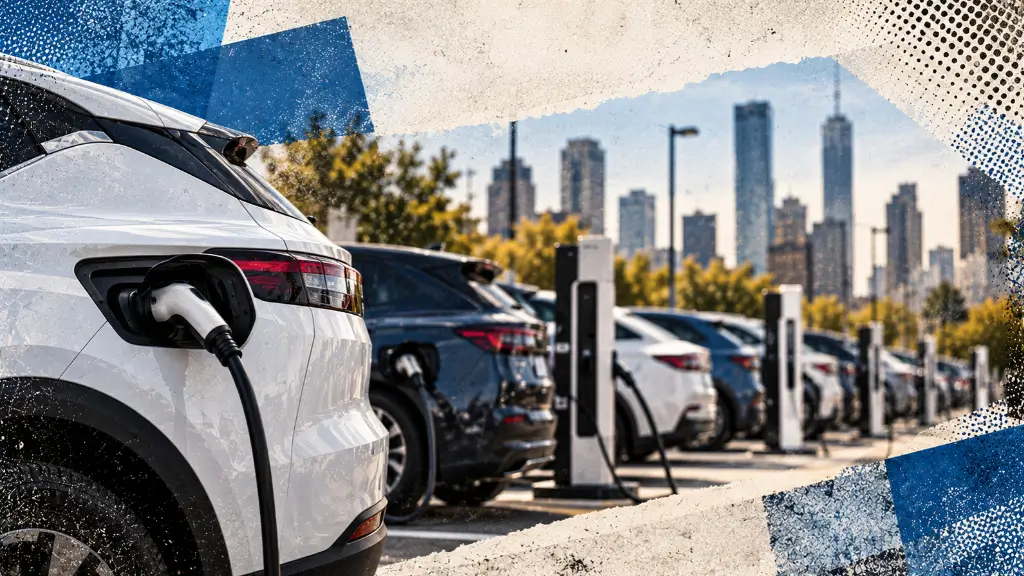
However, VW’s decision to pull the plug on the vehicle, a little over a year after bringing it to market, highlights how EV sales are struggling without federal subsidies.
Despite pulling the ID. Buzz from the U.S. retail market, Volkswagen is continuing to invest in the vehicle’s future through commercial and autonomous applications. The automaker recently finalized a partnership with Uber in July to deploy thousands of self-driving ID. Buzz robotaxis across the U.S. and Europe, with an initial rollout in Los Angeles planned for late 2026.