TSLA400.62011.72%
GM81.3203.27%
F12.8700.43%
RIVN17.2300.34%
CYD43.2600.9381%
HMC25.0000.64%
TM217.2004.34%
CVNA387.50025.26%
PAG161.3205.3%
LAD283.0408.17%
AN207.9909.7%
GPI349.94014.46%
ABG211.4407.35%
SAH70.7003.33%
TSLA400.62011.72%
GM81.3203.27%
F12.8700.43%
RIVN17.2300.34%
CYD43.2600.9381%
HMC25.0000.64%
TM217.2004.34%
CVNA387.50025.26%
PAG161.3205.3%
LAD283.0408.17%
AN207.9909.7%
GPI349.94014.46%
ABG211.4407.35%
SAH70.7003.33%
TSLA400.62011.72%
GM81.3203.27%
F12.8700.43%
RIVN17.2300.34%
CYD43.2600.9381%
HMC25.0000.64%
TM217.2004.34%
CVNA387.50025.26%
PAG161.3205.3%
LAD283.0408.17%
AN207.9909.7%
GPI349.94014.46%
ABG211.4407.35%
SAH70.7003.33%

U.S. Supreme Court to hear dispute over CA’s tailpipe emissions

Fuel producers slam California, dubbing it a "junior-varsity EPA" due to its excessive regulatory influence.
The U.S. Supreme Court will hear a case from fuel producers about California's authority concerning emissions and EV sales mandates.

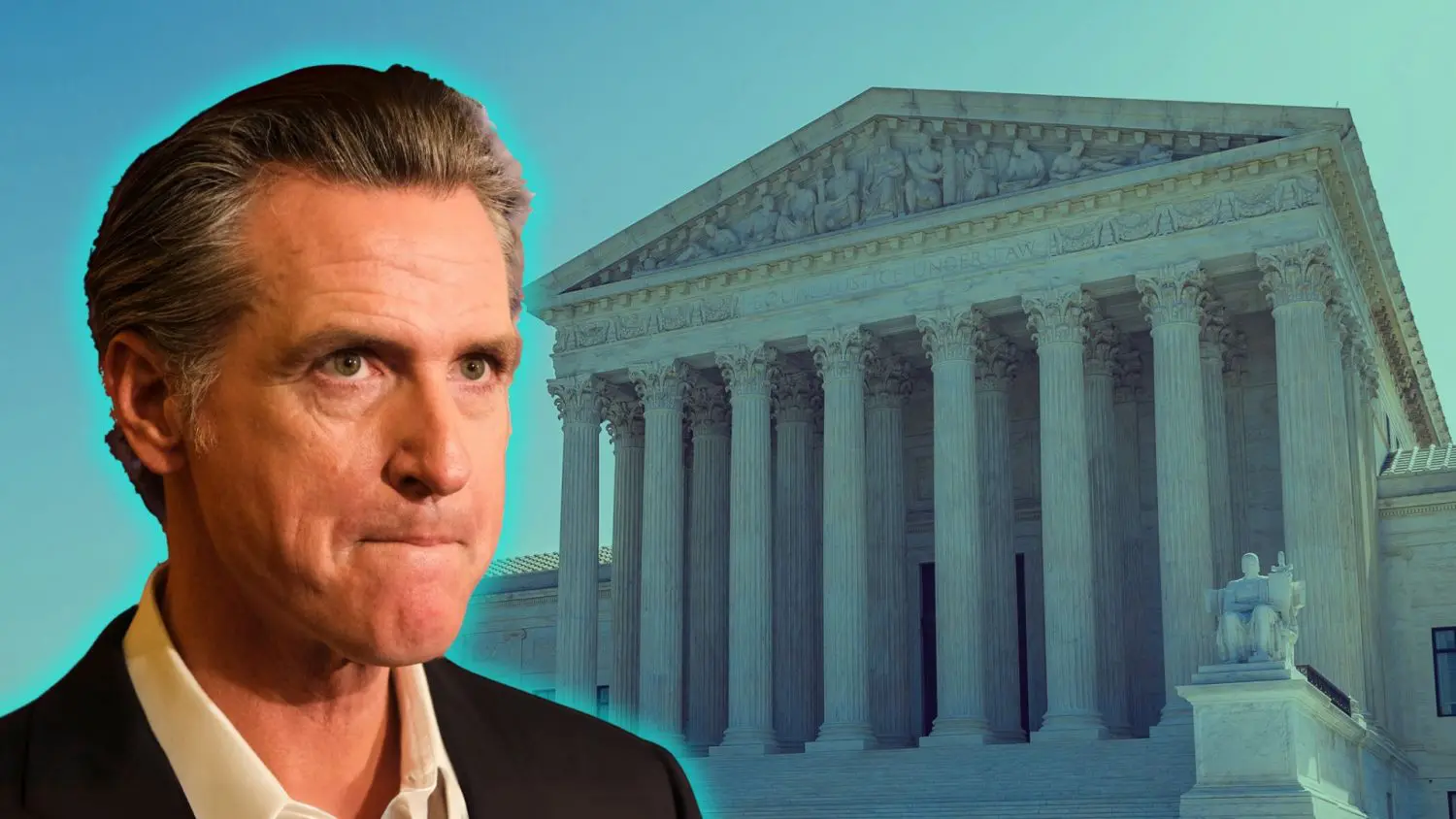
California Governor Gavin Newsom

On December 13, the U.S. Supreme Court agreed to hear a dispute regarding California’s authority to set its emissions and electric vehicle (EV) standards. The challenge comes from a group of fuel producers, including a subsidiary of Valero Energy, who argue that California’s regulatory power over vehicle emissions exceeds its authority.

At the heart of the dispute is an exception granted to California in 2022 by the U.S. Environmental Protection Agency (EPA), allowing the state to set vehicle emission standards that are stricter than the federal regulations under the Clean Air Act.

Since 1967, California has progressively tightened vehicle emissions performance standards and EV sales mandates, receiving over 75 waivers. In March 2022, the EPA reinstated California’s waiver, allowing the state to enforce its tailpipe emissions limits and zero-emission vehicle mandates through 2025, reversing a prior decision under the Trump administration.

Fuel producers, including Valero, argue that the reinstatement of the waiver is an overreach of the EPA’s authority under the Clean Air Act. They contend that the waiver inflicts substantial financial harm by reducing demand for liquid fuels, which is critical to their bottom lines. In April, the U.S. Court of Appeals for the District of Columbia Circuit dismissed the case, stating that the fuel groups lacked the legal standing to proceed.

However, the fuel producers have now appealed to the U.S. Supreme Court, publicly criticizing California’s role and framing the state’s actions as a “junior-varsity EPA” with an overblown regulatory influence. The fuel producers have invoked the “major questions” doctrine, which allows courts to invalidate executive agency actions unless Congress has explicitly authorized them.

The U.S. Supreme Court has a 6-3 conservative majority and has expressed skepticism toward expanding regulatory authority. In a previous ruling, the court restricted the EPA’s powers on various issues, including ozone emissions, wetlands protection, and carbon emissions from power plants.

Read More
More from Articles
STL launches ‘Neuralis’ in the US: A high-performance Data Center portfolio engineered for the AI era

STL launches ‘Neuralis’ in the US: A high-performance Data Center portfolio engineered for the AI era

- April 17, 2026
Washington, United States, 17/April/2026: STL Optical Connectivity NA, LLC,  (STLOC),  a U.S. subsidiary of STL [NSE: STLTECH], a leading connectivity solutions provider for AI-ready digital infrastructure, today announced the U.S. launch of Neuralis, its flagship...
GM leans on global production to supply U.S. market amid cost pressures

GM leans on global production to supply U.S. market amid cost pressures

- April 17, 2026
On the Dash: Imported inventory may create variability in delivery timing and supply consistency. Trade policy shifts could impact the pricing and availability of certain models. Global production strategies may...
Volkswagen ends U.S. EV output, triggering $600 million financial hit 

Volkswagen ends U.S. EV output, triggering $600 million financial hit 

- April 17, 2026
On the Dash: Slower EV demand may impact inventory planning and turn rates for electric models. Production pullbacks could tighten EV supply or shift sourcing toward imports. Ongoing cost pressures...
March sales surge tightens inventory, affordability gaps persist

March sales surge tightens inventory, affordability gaps persist

- April 17, 2026
On the Dash: Faster March sales improved inventory flow, but demand remains uneven heading into Q2. Limited sub-$40K inventory continues to constrain volume opportunities. Rising incentives indicate growing pressure to...
CBT News
Privacy Overview

This website uses cookies so that we can provide you with the best user experience possible. Cookie information is stored in your browser and performs functions such as recognising you when you return to our website and helping our team to understand which sections of the website you find most interesting and useful.