TSLA348.9503.33%
GM76.420-0.31%
F12.123-0.1175%
RIVN15.4300.19%
CYD42.780-0.06%
HMC24.040-0.33%
TM210.640-0.5%
CVNA336.2439.313%
PAG156.1200.97%
LAD273.1006.56%
AN200.5200.1%
GPI338.1400.03%
ABG204.0001.95%
SAH68.0600.235%
TSLA348.9503.33%
GM76.420-0.31%
F12.123-0.1175%
RIVN15.4300.19%
CYD42.780-0.06%
HMC24.040-0.33%
TM210.640-0.5%
CVNA336.2439.313%
PAG156.1200.97%
LAD273.1006.56%
AN200.5200.1%
GPI338.1400.03%
ABG204.0001.95%
SAH68.0600.235%
TSLA348.9503.33%
GM76.420-0.31%
F12.123-0.1175%
RIVN15.4300.19%
CYD42.780-0.06%
HMC24.040-0.33%
TM210.640-0.5%
CVNA336.2439.313%
PAG156.1200.97%
LAD273.1006.56%
AN200.5200.1%
GPI338.1400.03%
ABG204.0001.95%
SAH68.0600.235%

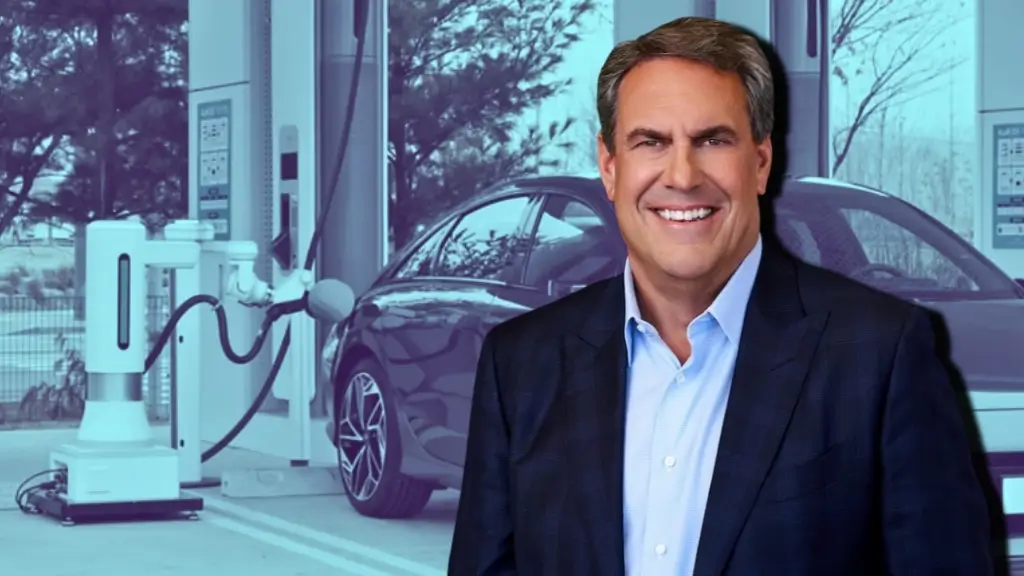
U.S. proposes boosting American-made requirements for federally funded EV charges 

The proposal would raise the domestic content requirement for federally funded EV chargers from 55% to as high as 100%, potentially reshaping the rollout of infrastructure.

EV charging

On the Dash:

  • Stricter domestic sourcing requirements may slow installation timelines in some markets, potentially affecting EV adoption rates that dealers rely on for long-term electrification strategies.
  • Dealers working with domestic charging partners could see new opportunities if infrastructure contracts increasingly favor American-made equipment.
  • Ongoing legal challenges and federal rule changes add another layer of unpredictability for dealers investing in EV inventory, training, and on-site charging infrastructure.

The U.S. Department of Transportation on Feb. 10 proposed increasing American content requirements for federally funded electric vehicle charging stations from 55% to as much as 100.

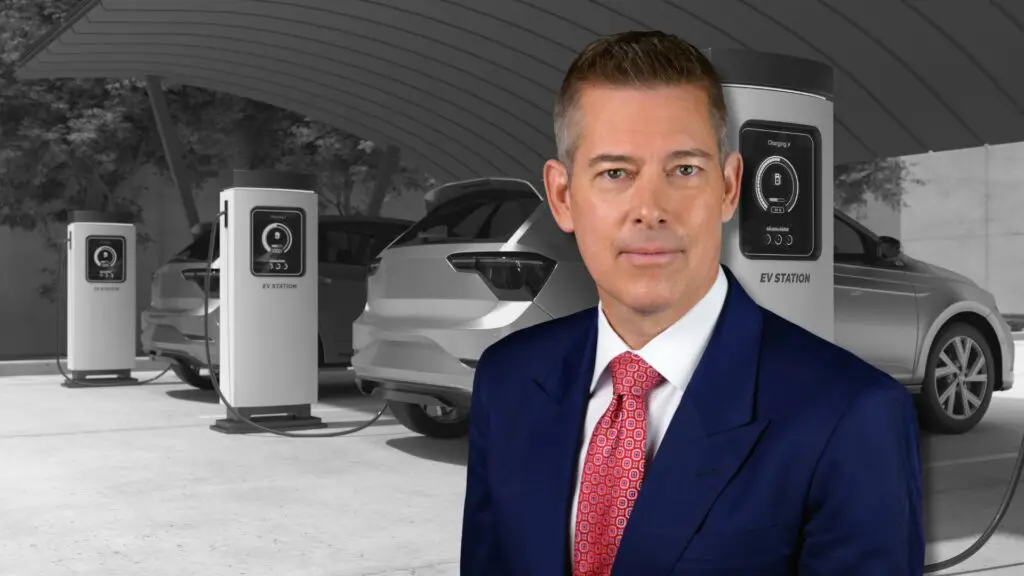
The proposal, first reported by Reuters, would take effect immediately once the changes are finalized. Transportation Secretary Sean Duffy said the higher domestic content threshold would “strengthen domestic manufacturing” and protect Americans from “foreign-made” components that may pose cybersecurity risks. Additionally, the department said it believes manufacturers have the capacity to produce EV chargers in U.S. facilities.

Sign up for CBT News’ daily newsletter and get the latest industry stories delivered straight to your inbox

The changes would affect the $5 billion National Electric Vehicle Infrastructure (NEVI) Formula Program established under the Infrastructure Investment and Jobs Act signed into law in 2021. During the Biden administration, the Federal Highway Administration waived certain “Buy America” requirements related to steel, iron, and construction materials to accelerate charger deployment.

Moreover, last month, U.S. District Judge Tana Lin ruled that the current administration unlawfully suspended funding intended to support the expansion of EV charging infrastructure. Multiple states brought the lawsuit after the Transportation Department paused the program in February.

Since the lawsuit, Duffy said the department has updated EV charging guidance and made it easier for states to build charging ports, resulting in nearly twice as many charging ports completed during the Biden administration. 

More from EVs & Technology
Kia accelerates U.S. automation push while scaling back EV targets

Kia accelerates U.S. automation push while scaling back EV targets

- April 9, 2026
On the Dash: Kia will introduce humanoid robots at a U.S. plant to improve efficiency and reduce labor strain. The company is lowering its 2030 EV sales target by more...
Toyota bets on EV rebound with seven-model U.S. lineup

Toyota bets on EV rebound with seven-model U.S. lineup

- April 3, 2026
On the Dash: Toyota plans to introduce seven EV models in the U.S. by 2027, demonstrating a long-term commitment to the segment.t Toyota's EV sales remain volatile, with market share...
Tesla pivots to robotaxis as Q1 deliveries rise 6.3%

Tesla pivots to robotaxis as Q1 deliveries rise 6.3%

- April 2, 2026
On the Dash: Tesla’s first-quarter deliveries rose 6.3% to 358,023 but missed analyst expectations, indicating stabilized yet cautious sales trends. The company is phasing out luxury vehicles and focusing on...
Your autonomous fleet has a revenue problem it can't code away

Your autonomous fleet has a revenue problem it can’t code away

- April 2, 2026
The autonomous vehicle industry has spent the last decade racing to solve one problem: replacing the human behind the wheel. Billions of dollars have gone into sensors, simulations, and AI...
CBT News
Privacy Overview

This website uses cookies so that we can provide you with the best user experience possible. Cookie information is stored in your browser and performs functions such as recognising you when you return to our website and helping our team to understand which sections of the website you find most interesting and useful.