On the Dash:
- The 50% tariffs on Canadian goods have been delayed by three days.
- Auto tariffs remain unresolved in the latest U.S.-Canada negotiations.
- Trade talks could bring further changes to North American vehicle costs.
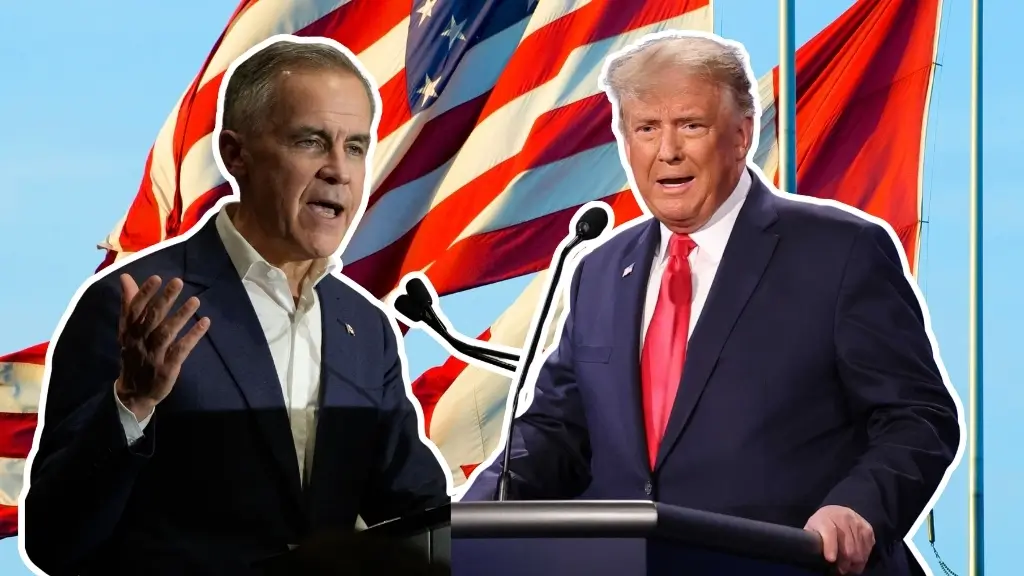
Late Tuesday, the Trump administration delayed 50% tariffs on billions of dollars’ worth of Canadian products for three days, hours before the duties were set to take effect. President Donald Trump announced the decision followed a tentative agreement with Canada, subject to the finalization of documents.
While the White House said Canada committed to addressing discriminatory practices affecting U.S. autos, dairy and alcohol, Canadian Prime Minister Mark Carney stopped short of confirming the deal was final, saying instead that substantial progress had been made while important work remained.
Auto tariffs remain a noteworthy unresolved issue, as neither side has confirmed whether the latest discussions have resolved the disputes over them. Canada has been seeking to reduce sector-specific duties on autos, steel and aluminum. Notably, the existing tariffs have created uncertainty in Canada’s manufacturing sector and contributed to layoffs. In retaliation, Canada also imposed tariffs on U.S.-made vehicles after the U.S. enacted its own auto tariffs.
The three-day delay provides negotiators with additional time to address remaining disagreements before the tariffs take effect. The delayed tariffs cover products such as hockey equipment, beer, milk and plywood. Canadian and U.S. officials have been meeting regularly to resolve this broader trade dispute, and the latest extension could provide additional time to reach a solution.
Progress in these discussions could also support the ongoing review of the North American trade agreement, as the U.S. and Canada exchanged nearly $880 billion in goods and services last year. Canada aims to strengthen its domestic economy while seeking improved trade conditions with the United States.