
On the Dash:
- The U.S. will allow Nexperia to resume chip shipments from China following a Trump-Xi trade agreement.
- The deal is expected to ease global supply pressures that threatened auto production in Europe and the U.S.
- Broader trade terms include tariff pauses, agricultural purchases, and delayed rare-earth export restrictions.
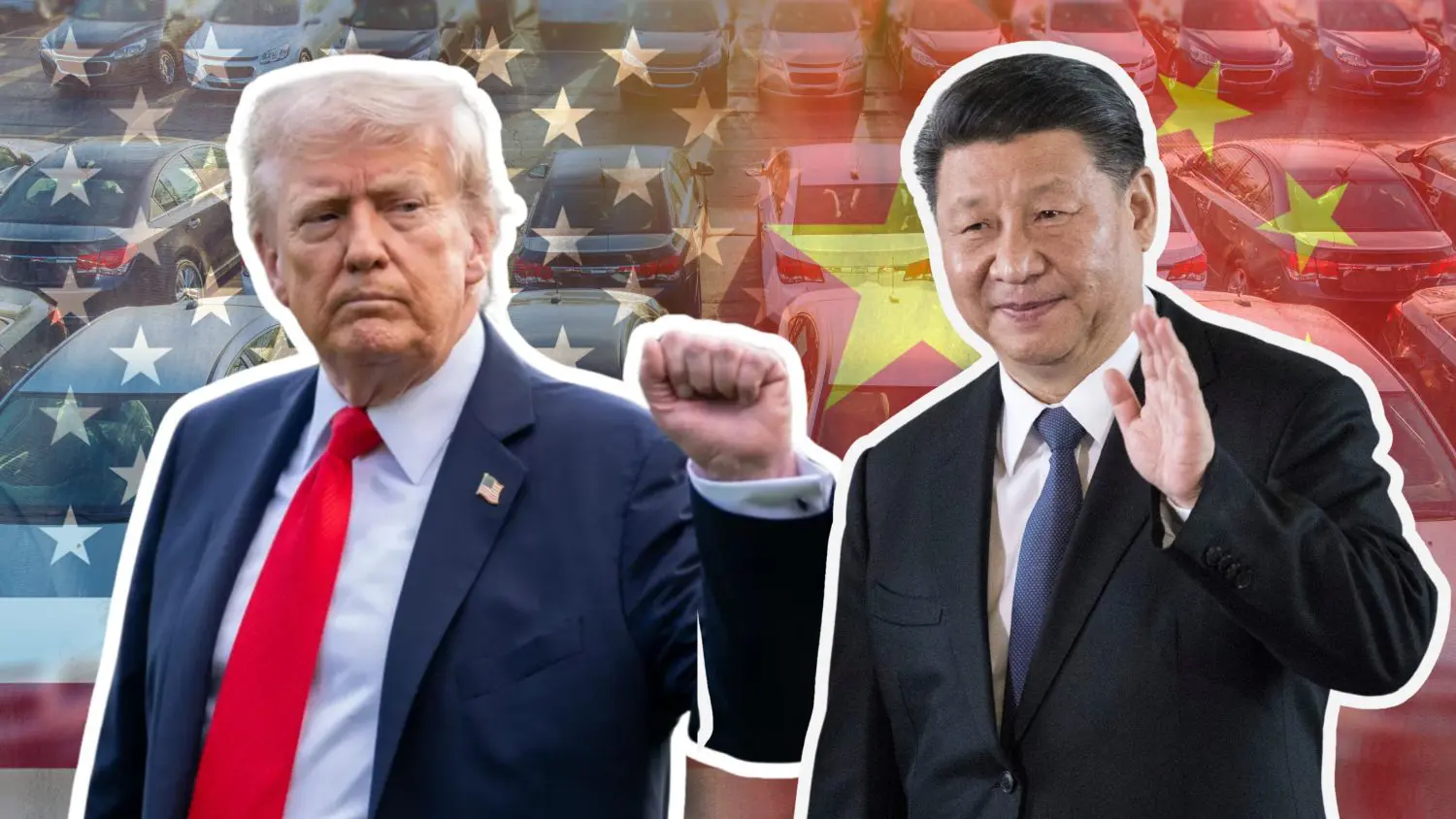
The U.S. is set to allow Dutch semiconductor maker Nexperia to resume shipping chips from its facilities in China, according to a person familiar with the matter. The move follows a trade agreement reached this week between President Donald Trump and Chinese President Xi Jinping at their summit in South Korea.
The Trump administration plans to detail the decision in a fact sheet outlining the terms of the U.S.-China trade deal, expected to be released in the coming days. The Wall Street Journal was the first to report the development.
The decision is expected to ease global concerns over chip shortages that had threatened to disrupt auto production in Europe and beyond. Beijing earlier this month blocked exports from Nexperia’s Chinese sites after the Dutch government seized control of the Chinese-owned company, escalating tensions between China and the West.
China’s Ministry of Commerce later said it would allow exports under certain conditions, but did not specify which products were exempt or the eligibility criteria.
Automakers worldwide had been bracing for production cuts or shutdowns as the dispute dragged on. European manufacturers, including Volkswagen and BMW, worked to avoid factory stoppages, while the largest U.S. auto supplier association warned last week that domestic plants were just weeks away from production halts. Ford previously described the issue as an industrywide challenge requiring a political solution.
The agreement between Trump and Xi reflects a broader effort to stabilize trade relations. Under the deal, China will delay planned restrictions on rare-earth exports and resume purchases of U.S. soybeans and other agricultural goods. In exchange, the U.S. will halve a fentanyl-related tariff on Chinese imports and pause additional tariffs for another year.
The Nexperia dispute has underscored the critical role semiconductors play in the U.S.-China technology rivalry. Trump has sought to limit China’s access to advanced chips used in artificial intelligence and defense, while Beijing has leveraged its dominance in rare-earth minerals essential for electronics and EVs.
Nexperia, which produces transistors and logic chips widely used in automotive and consumer electronics, operates manufacturing facilities in Germany, the U.K., China, the Philippines, and Malaysia. The company had suspended supplies to its China site earlier Friday due to management disagreements, further complicating the standoff before the summit breakthrough.
The White House is expected to release more details on the resumption of exports in an upcoming fact sheet. Industry analysts say the decision could bring temporary relief to automakers but warn that global chip supply chains remain vulnerable to future trade disputes.