
TSLA352.820-7.77%
GM73.4300.89%
F11.6100.01%
RIVN15.290-0.11%
CYD39.7800.37%
HMC23.840-0.31%
TM204.420-2.59%
CVNA316.6402.73%
PAG148.710-0.63%
LAD257.5705.75%
AN196.820-0.86001%
GPI327.000-2.45%
ABG195.4000.64%
SAH63.310-1.56%
TSLA352.820-7.77%
GM73.4300.89%
F11.6100.01%
RIVN15.290-0.11%
CYD39.7800.37%
HMC23.840-0.31%
TM204.420-2.59%
CVNA316.6402.73%
PAG148.710-0.63%
LAD257.5705.75%
AN196.820-0.86001%
GPI327.000-2.45%
ABG195.4000.64%
SAH63.310-1.56%
TSLA352.820-7.77%
GM73.4300.89%
F11.6100.01%
RIVN15.290-0.11%
CYD39.7800.37%
HMC23.840-0.31%
TM204.420-2.59%
CVNA316.6402.73%
PAG148.710-0.63%
LAD257.5705.75%
AN196.820-0.86001%
GPI327.000-2.45%
ABG195.4000.64%
SAH63.310-1.56%

Trade commission to examine impact of USMCA

The investigation will assess the economic impact, competitiveness, and supply chain shifts resulting from North American content requirements.

USMCA

On the Dash:

  • Potential changes to USMCA rules could impact vehicle pricing, sourcing and availability across North American dealerships.
  • Stricter content requirements may influence OEM production strategies, affecting inventory mix and margins.
  • Ongoing trade uncertainty reinforces the need for dealers to monitor tariff developments that could affect affordability and demand.

The U.S. International Trade Commission (ITC) has opened an investigation into the automotive rules of origin under the United States-Mexico-Canada Agreement, examining their impact on the U.S. economy and industry competitiveness.

In a statement Thursday, the commission said the probe will evaluate the economic impact of the current rules, their effect on U.S. competitiveness, and whether they remain relevant amid rapid technological changes in vehicle manufacturing. The ITC plans to hold a public hearing later this year and issue a final report by July 2027.

Sign up for CBT News’ daily newsletter and get the latest industry stories delivered straight to your inbox

USMCA, which took effect in 2020 and replaced NAFTA, significantly tightened regional content requirements for automakers seeking duty-free access to the U.S. market. To qualify, vehicles must contain at least 75% North American content. In addition, 40% of a passenger car’s content must be manufactured in the United States or Canada, based on a list of “core parts” that includes engines, transmissions, body panels, and chassis components. For pickup trucks, the threshold rises to 45%.

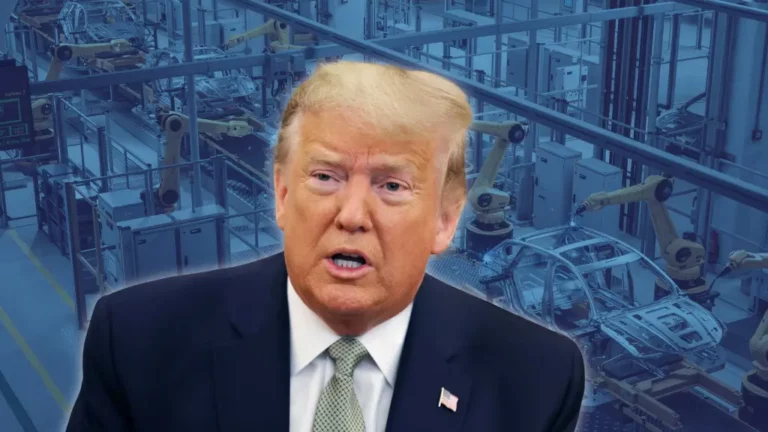
The agreement has shielded Mexico and Canada from the bulk of President Donald Trump’s tariffs, provided vehicles comply with USMCA rules. However, the U.S. Trade Representative’s Office signaled last month that possible reforms could include even stricter rules of origin for industrial goods.

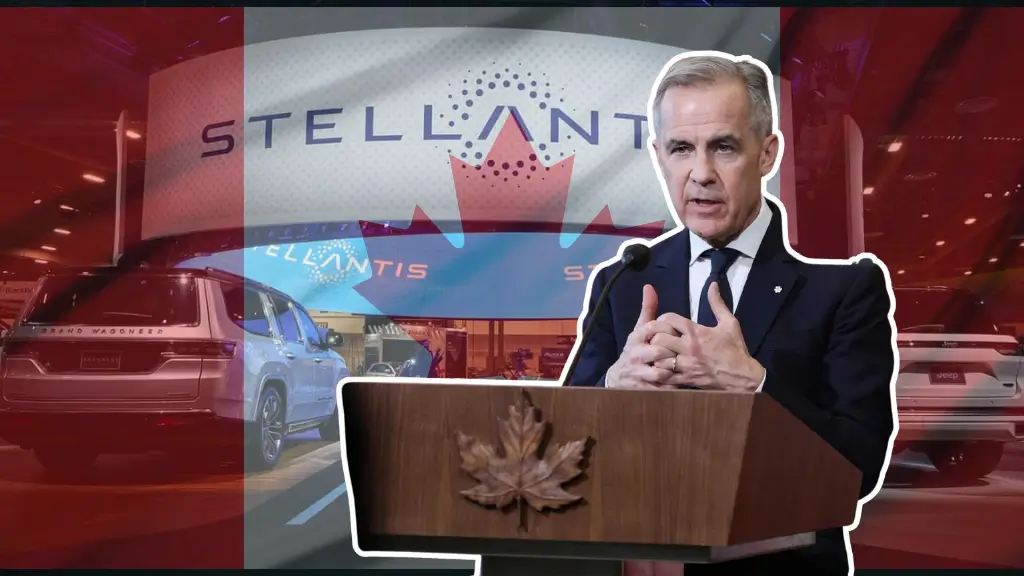
Major automakers, including General Motors, Tesla, Toyota, and Ford, have urged the administration to extend USMCA, calling it critical to North American auto production. Stellantis has argued that vehicles produced outside North America should meet the same component-origin standards, or that tariffs on USMCA-compliant passenger vehicles from Mexico and Canada should be dropped.

The automaker warned that, under current tariff structures, including the 15% tariffs on Japanese imports, U.S. vehicles complying with North American content rules could continue to lose market share to Asian imports.

More from Industry News
Hyundai flags Middle East conflict as supply chain disruptions hit exports

Hyundai flags Middle East conflict as supply chain disruptions hit exports

- April 6, 2026
On the Dash: Ongoing supply chain disruptions may lead to delayed inventory and delivery timelines. Rising logistics and material costs could impact pricing and margins. Diversions and route changes signal...
White House revises metals tariffs, shifts calculation method

White House revises metals tariffs, shifts calculation method

- April 3, 2026
On the Dash: The revised tariff structure simplifies how metals duties are calculated by applying them to consumer purchase prices and eliminating complex component-level assessments. The changes are expected to...
Stellantis explores EV production in Canada with China’s Leapmotor

Stellantis explores EV production in Canada with China’s Leapmotor

- April 3, 2026
On the Dash: Stellantis’ early-stage talks with Leapmotor highlight how global partnerships are accelerating as automakers adapt to shifting tariffs and EV demand. Uncertainty around U.S. trade policy and potential...
Alliance for Automotive Innovation, Automakers group proposes replacing gas tax with vehicle fee

Automakers group proposes replacing gas tax with vehicle fee

- April 2, 2026
On the Dash: A shift from fuel taxes to a vehicle-based fee could change how all customers, including EV buyers, contribute to infrastructure costs. Weight-based fees may impact ownership costs...
CBT News
Privacy Overview

This website uses cookies so that we can provide you with the best user experience possible. Cookie information is stored in your browser and performs functions such as recognising you when you return to our website and helping our team to understand which sections of the website you find most interesting and useful.