

On the Dash:
- Toyota is investing $912 million across five U.S. states to expand hybrid vehicle production as part of a $10B domestic plan by 2030.
- The investments are expected to create 252 new jobs and increase the output of hybrid engines and Corolla hybrid models.
- The moves reinforce Toyota’s “build where we sell” philosophy, emphasizing domestic manufacturing amid regulatory shifts and tariffs.
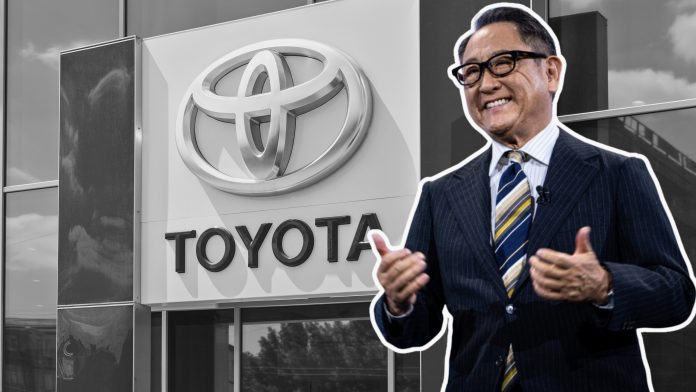
Toyota Motor on Tuesday announced plans to invest $912 million in U.S. manufacturing plants across five Southern states, part of a broader $10 billion domestic investment plan through 2030. The funding will primarily support production of hybrid vehicles, where Toyota holds more than a 51% market share through the third quarter of 2025, according to Motor Intelligence.
The largest allocation, $453 million, will go to Toyota’s Buffalo, West Virginia, plant to expand assembly of four-cylinder hybrid-compatible engines. Additional investments include $204.4 million in Georgetown, Kentucky, for four-cylinder hybrid engines and $125 million in Blue Springs, Mississippi, to expand Corolla production to include hybrid models. Most of the projects are expected to be completed by 2027, creating 252 new jobs.
The announcement follows confirmation of a $10 billion investment plan promoted last month by President Donald Trump, aimed at expanding Toyota’s domestic operations over the next five years.
Notably, Toyota Chairman Akio Toyoda drew attention earlier this month at a racing event at Japan’s Fuji Speedway, reportedly wearing a “Make America Great Again” hat and T-shirt featuring Trump and Vice President JD Vance. During the event, Toyoda hosted U.S. Ambassador George Glass and addressed questions about tariffs, saying he was not there to debate whether they were good or bad, but emphasized that national leaders naturally try to protect their own auto industries. He added that Toyota is seeking tariff strategies that benefit all parties, especially customers.
By focusing on hybrid vehicles, Toyota aims to meet growing consumer demand while supporting American jobs.