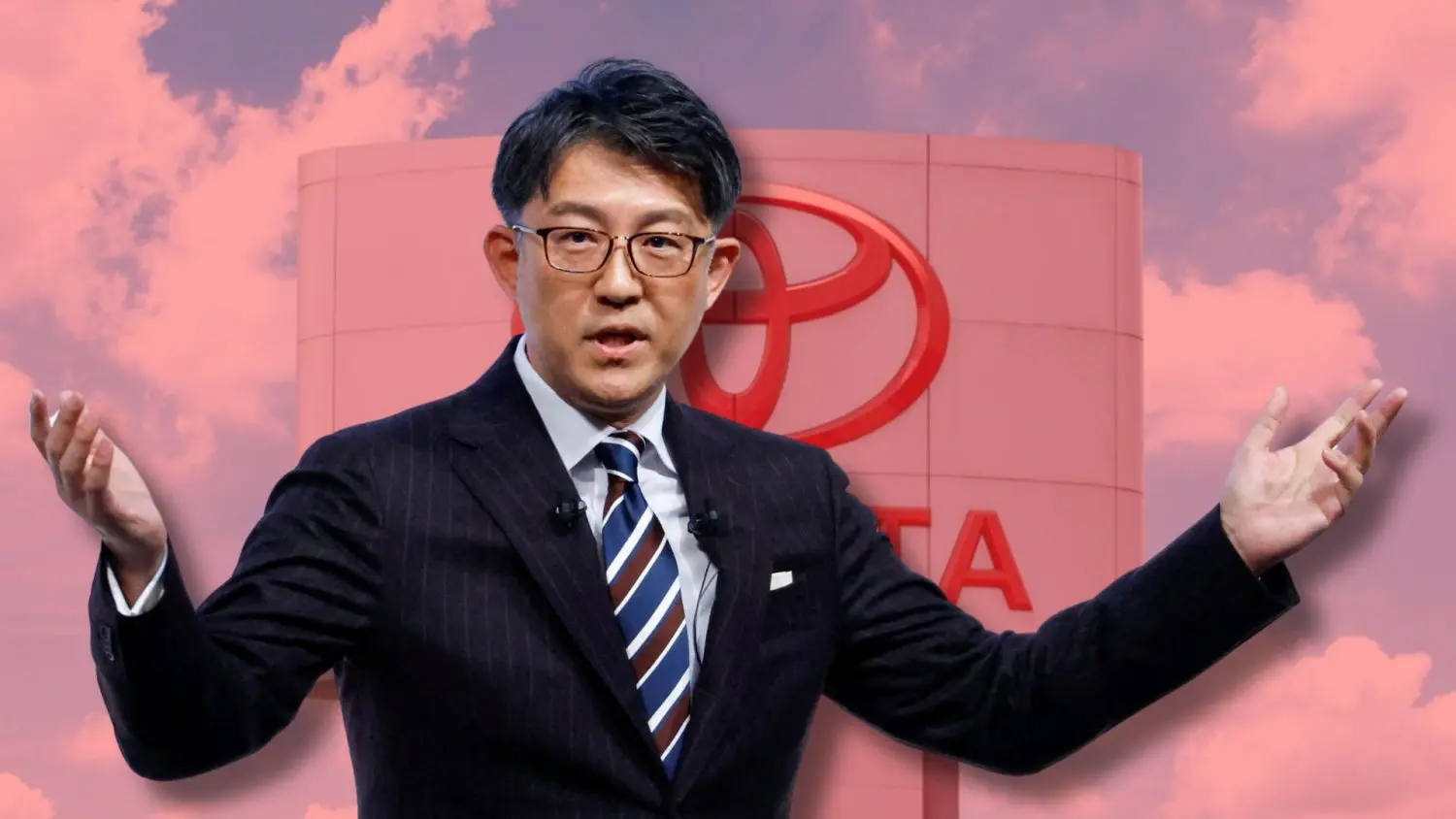
Toyota broke its all-time annual sales record during the fiscal year ended in March, sailing past previous records thanks to pent-up demand and a rapidly recovered supply chain.
The Japanese automaker reported total global sales of 10.31 million units, up 7.3% year-over-year. This marks the first time that the brand has surpassed the 10 million unit mark, emphasizing the relative resiliency it has shown since the COVID-19 pandemic. Toyota’s annual production total came in slightly behind sales, jumping 9.2% from the 2022 fiscal year to reach 9.97 million units. The discrepancy between the company’s production and sales volumes is reflected in the brand’s days’ supply, which remains well below the industry average.
Toyota vehicles have always seen high demand, allowing it to retain its position as the world’s largest car manufacturer. However, while its performance outshone previous years throughout most of 2023, the brand encountered a slight speed bump at the very end of its fiscal year. In March, the automaker reported monthly sales of 897,251 units, a decline of 2.1% from the prior-year period, and a production total of 807,026 units, down 10.3%.
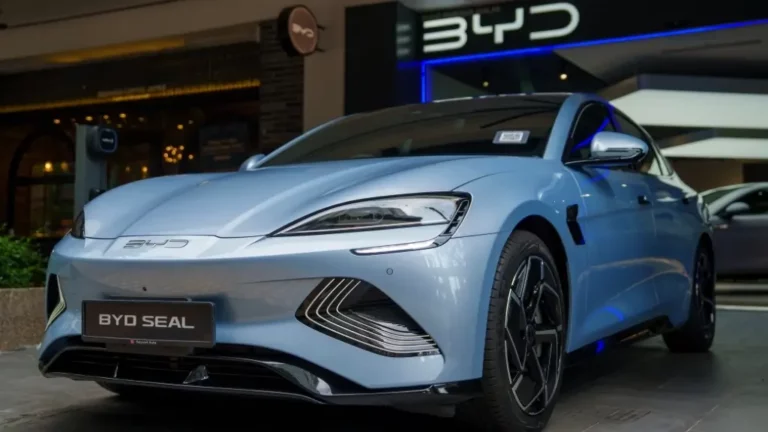
The sudden shift reflects the ongoing volatility in the international car market, intensified in recent years by the rapid expansion of China’s automotive industry. The country’s domestic manufacturers have captured a growing portion of market share, especially in the electric vehicle segment, posing a challenge to major brands such as Tesla and Toyota.
The latter of the two has taken a slower approach toward electrification than its competitors, a behavior that at least partially contributed to the ouster of its previous CEO, Akio Toyoda, last year. While its new leader, Koji Sato, has promised to re-energize the brand’s EV business, the company has continued to keep its investments in battery-powered cars modest, making it ill-suited to take on Chinese giants like BYD. Despite seeing electrified sales rise sharply over the last 12 months, Toyota also expects to postpone its strategy to build EVs in North America, delaying the launch of a U.S. facility by one year.
The speed bump Toyota encountered in March may also be attributed to scandals in its home country, stemming from the behavior of its subsidiary Daihatsu. Last year, the firm admitted it had faked safety certification examinations for an extensive period of time, going so far as to use components in crash tests that were absent from those distributed to consumers. Deliveries and production of Daihatsu vehicles were both halted as the scandal and subsequent investigations ramped up, and the company’s CEO resigned. Earlier this month, Toyota announced it would take over safety certification at the brand to ensure protocols were followed. While operations have since resumed at Daihatsu, production remains limited, putting strain on its parent company’s resources.
Nevertheless, Toyota’s rapid recovery in the aftermath of the pandemic is nothing short of extraordinary. Thanks to the brand’s high demand, many of its dealers also remain less affected by recent trends in affordability, allowing them to sustain higher profit margins longer than other franchises. However, with internal and external challenges contributing to the sales slump in March, it remains to be seen whether its impressive growth will be sustainable in the coming months.